Contents:
- Quick Facts: What Is Lisianthus?
- Lisianthus Isn’t a Rose–But It’s Often Mistaken for One
- How Lisianthus Compares to Roses
- It’s a True American Native
- Incredible Vase Life–With a Simple Trick
- Lisianthus Blooms in a Rainbow of Colors
- Common Lisianthus Colors
- It’s a Darling of the Wedding World
- The Name Has Greek Roots–and a Few Aliases
- Grown Both as Annuals and Perennials
- Growing tips for US gardens:
- Lisianthus Seeds Are Tiny–And Take Patience
- Long, Strong Stems–Perfect for Tall Arrangements
- No Thorns, No Problems
- Symbolizes Appreciation and Gratitude
- In Demand Among Cut-Flower Farmers
- Resistant to Many Pests–But Not All
- Available Year-Round–Thanks to Greenhouse Grown Imports
- Lisianthus Makes a Great Dried Flower–If You Do It Right
- FAQ About Lisianthus
- What is lisianthus used for in floristry?
- How long does lisianthus last in a vase?
- Is lisianthus expensive compared to other flowers?
- Can lisianthus be grown at home?
- Is lisianthus safe for pets?
15 Facts You Didn’t Know About Lisianthus
Try to stump your florist with this: can you name a flower that looks like a rose, lasts longer than a tulip, is native to the American prairies, and is prized by both high-end designers and DIY bouquet-lovers alike? The answer is lisianthus–sometimes called the Texas bluebell or prairie gentian. This elegant, ruffled bloom shows up everywhere from wedding centerpieces to Trader Joe’s buckets, but its story is far more fascinating than most people realize.
Quick Facts: What Is Lisianthus?
Lisianthus (pronounced lih-zee-AN-thus), known botanically as Eustoma grandiflorum, is a flowering plant beloved by florists for its rose-like shape, soft texture, and striking colors. Native to the southern United States and Mexico, lisianthus thrives in full sun and well-drained soil. It blooms in late spring to summer and is often used in cut flower arrangements for its long vase life and delicate beauty.
Key points about lisianthus:
- Looks like a rose, but isn’t related
- Lasts up to 2 weeks in a vase
- Native to southern US and Mexico
- Available in white, pink, purple, blue, and even bi-color varieties
- Popular in bridal bouquets and event decor
1. Lisianthus Isn’t a Rose–But It’s Often Mistaken for One
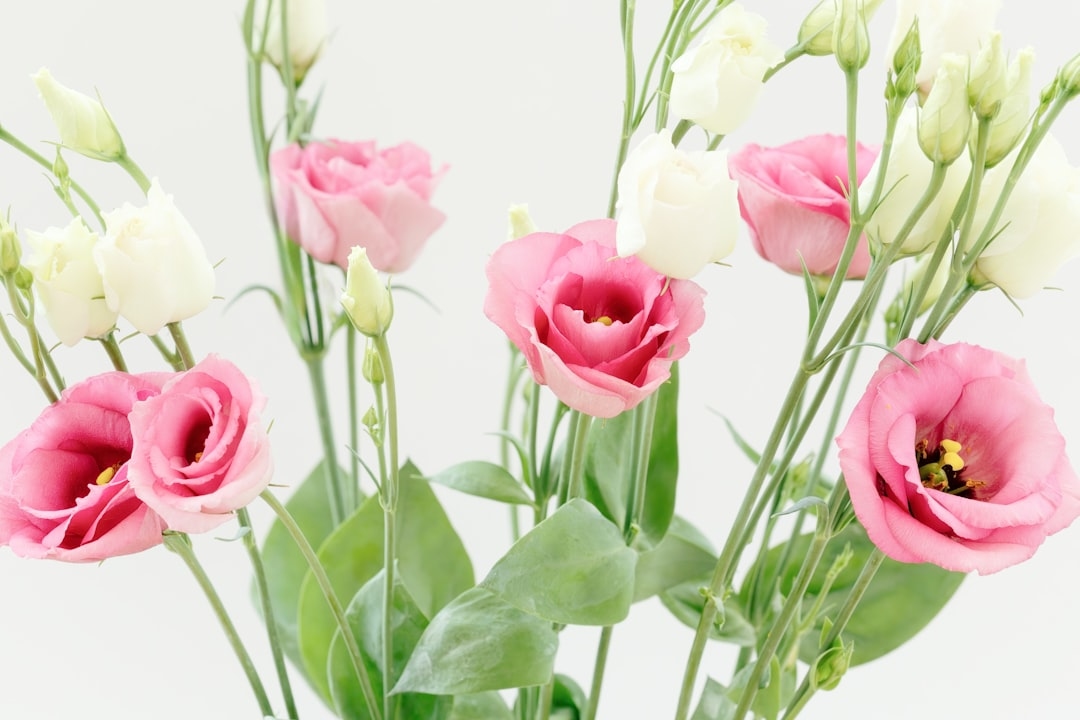
Walk into any flower shop and spot a bunch of lisianthus: you might think you’re seeing a rare rose. That’s not by accident. With lush, layered petals and a central spiral, lisianthus mimics the look of heritage garden roses–without the thorns. According to Lisa Thornton, lead designer at Seattle’s Marigold & Vine, “My clients often call them ‘paper roses’ and are surprised when I tell them it’s actually a completely different genus.”
How Lisianthus Compares to Roses
| Lisianthus | Rose | |
|---|---|---|
| Genus | Eustoma | Rosa |
| Origins | North America, Mexico | Asia, Europe, Middle East |
| Vase Life | 10-14 days | 5-7 days |
| Fragrance | Mild, sometimes none | Strong, classic rose scent |
| Thorns | No | Usually yes |
| Price (2026, per stem) | $2.00-$4.00 | $2.50-$8.00 |
2. It’s a True American Native
Lisianthus grows wild in the grasslands and prairies of Texas, Nebraska, Colorado, and as far south as Mexico. Before it was ever cultivated for bouquets, cowboys on the Chisholm Trail would spot these blue-violet wildflowers in the summer months. The flower’s nickname, “prairie gentian,” points to its roots in wide-open, sun-baked fields.
Lisianthus started showing up in American nurseries in the late 19th century. By 2026, more than 60% of US-grown lisianthus comes from California, with smaller farms in Texas and Florida also shipping nationwide.
3. Incredible Vase Life–With a Simple Trick
Few fresh-cut flowers last as long as lisianthus. A properly conditioned stem can look great for 10 to 14 days in a home vase–outperforming peonies, dahlias, and even most tulips.
To maximize vase life:
- Strip leaves below the waterline
- Change water every other day
- Recut stems at a 45-degree angle
Pro tip from floral designer Mateo Greene, AIFD: Add a packet of floral food and keep the vase out of direct sunlight. “Lisianthus hates being hot–just like most of us in mid-July!”
4. Lisianthus Blooms in a Rainbow of Colors
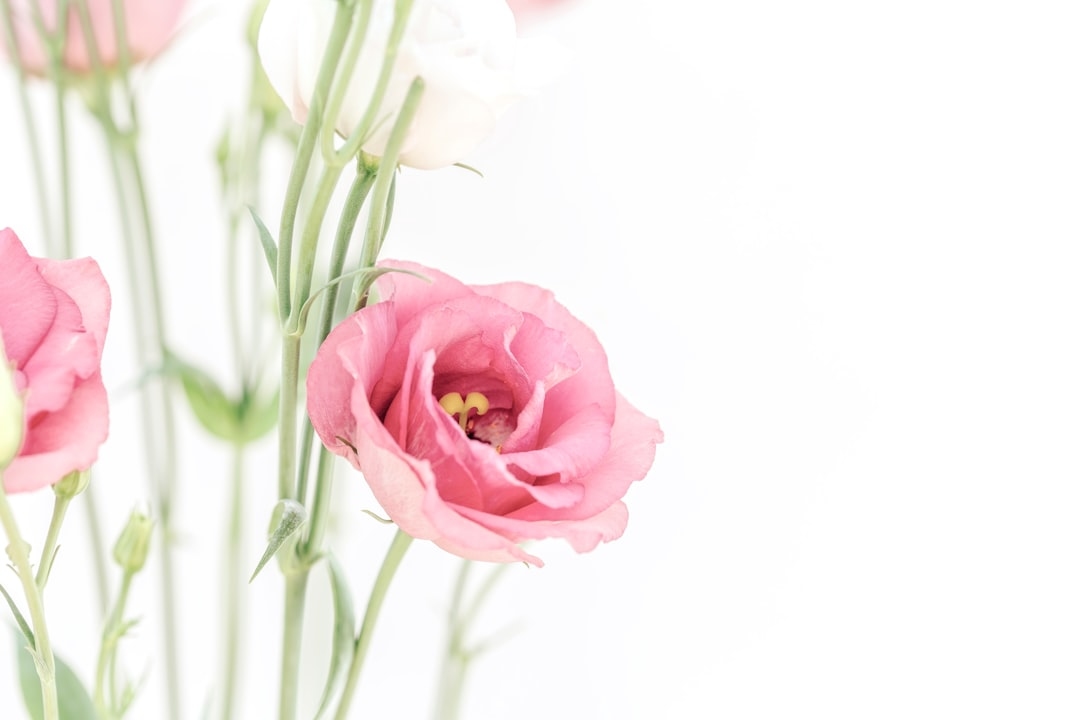
Florists love lisianthus because it comes in so many shades. Besides classic white and soft pink, breeders have developed lavender, deep purple, yellow, soft green, and even stunning bi-color varieties. The ‘Echo Blue Picotee’ features snowy petals with violet tips, while the ‘ABC Rose Pink’ series is a 2026 favorite for bridal bouquets.
Common Lisianthus Colors
- White
- Pale pink
- Deep pink
- Lavender
- Blue-violet
- Rich plum
- Green (yes, really!)
5. It’s a Darling of the Wedding World
Lisianthus has quietly become one of the go-to flowers for American weddings. In The Knot’s 2026 trends report, lisianthus ranked in the top five most-requested wedding blooms, just behind peonies and ranunculus. Why? That plush, romantic look–without the sky-high price tag or fragrance allergies some couples want to avoid.
Lisianthus works beautifully in:
- Bridal bouquets (paired with roses, stock, or eucalyptus)
- Boutonnieres (thanks to its strong stems)
- Arch installations and centerpieces
- Flower crowns (soft petals, no thorns)
Florist Katie McPhee, owner of Baltimore’s Wild Petal Studio, says, “Brides love lisianthus because it photographs softly but doesn’t wilt in the heat. It’s my number one summer pick.”
6. The Name Has Greek Roots–and a Few Aliases
The word “lisianthus” comes from Greek: “lysis” meaning dissolution and “anthos” meaning flower. Its botanical name, Eustoma, means “beautiful mouth.” Sounds odd, but refers to the open, cup-like shape of each bloom.
Lisianthus goes by several other names, too:
- Prairie Gentian
- Texas Bluebell (especially for the wild blue-violet type)
- Tulip Gentian (in older garden catalogs)
7. Grown Both as Annuals and Perennials
In the wilds of Texas or New Mexico, lisianthus typically behaves as a tender perennial–coming back for a few years if winters are mild. But in much of the United States, growers treat it as an annual, starting new seeds each spring.
Home gardeners can find small seedlings at Lowe’s or Home Depot (around $5 per 4-inch pot in 2026). Because it dislikes root disturbance, lisianthus is often started from plugs, not seeds, by professional growers.
Growing tips for US gardens:
- Plant after last frost date
- Choose a spot with at least 6 hours of sun
- Space 6-8 inches apart for air circulation
8. Lisianthus Seeds Are Tiny–And Take Patience
Here’s a fact that surprises even experienced gardeners: lisianthus seeds are smaller than a poppy seed. To put it in numbers, one gram contains around 15,000 seeds!
Germinating lisianthus requires patience:
- Seeds need light to sprout, so don’t cover them
- Germination takes 10-20 days
- Seedlings require warm temperatures (70-75°F) and high humidity
Most commercial growers use pelleted seeds (each coated for easier handling), a method pioneered in the US in the late 1990s.
9. Long, Strong Stems–Perfect for Tall Arrangements
One reason lisianthus is a florist favorite: those tall, sturdy stems. Standard varieties can reach up to 30 inches, making them ideal for dramatic vase arrangements or event installations.
For home flower growers: pinching the main stem early encourages more side shoots and fuller bouquets.
10. No Thorns, No Problems
If you’ve ever wrestled with rose stems, you’ll appreciate this: lisianthus is totally thornless. That makes it safer for florists to handle and perfect for DIY bouquet-assemblers–not to mention kid-friendly. “We sell a lot more lisianthus for Mother’s Day arrangements for that reason,” says Sonya Han, manager at Philly’s Bloom Cart.
11. Symbolizes Appreciation and Gratitude
Lisianthus isn’t just a pretty face. In the Victorian language of flowers, it symbolized appreciation and a lifelong bond. Today, it’s often sent as a gesture of gratitude–to say “Thank you,” “Congratulations,” or “I’m thinking of you.” Many US flower delivery services like 1-800-Flowers or UrbanStems offer lisianthus bouquets year-round, with prices from $59 to $120 as of 2026.
“Lisianthus says what you really mean–without the drama or cliché of red roses.”
– Florist Marcia Yates, owner of Blue House Blooms, Denver
12. In Demand Among Cut-Flower Farmers
You’ll spot lisianthus at almost every American farmer’s market from May through September. According to the Association of Specialty Cut Flower Growers (ASCFG), US lisianthus production has grown by 23% since 2022, thanks in part to social media trends and the “locally grown” movement.
Top lisianthus farms in the US include:
- Floret Farm (Washington State)
- Red Twig Farms (Ohio)
- Ardelia Farm (Vermont)
At these farms, a single plant can produce up to 10 usable stems per season.
13. Resistant to Many Pests–But Not All
Lisianthus is relatively hardy when it comes to bugs. Aphids and thrips are the most common pests, but fungal diseases like Botrytis can strike if plants get too wet. Most professional growers rely on drip irrigation and careful spacing to keep plants healthy, especially in humid areas like Tennessee or Georgia.
14. Available Year-Round–Thanks to Greenhouse Grown Imports
While US-grown lisianthus is most abundant from May to September, imported lisianthus from Ecuador, Colombia, and the Netherlands fills in the gaps. This means you can order lisianthus for a mid-winter birthday or Valentine’s Day event in Chicago without settling for sad, wilted stems.
US wholesalers like Mayesh and Kennicott Florist Supply import greenhouse-grown lisianthus that travels cold-chain, often arriving in shops within 48 hours.
15. Lisianthus Makes a Great Dried Flower–If You Do It Right
Here’s a secret: lisianthus doesn’t just look good fresh. With the right technique, it dries beautifully, keeping its shape and color. Hang stems upside down in a cool, dark place for two weeks, and you’ll have papery, pastel blooms perfect for bouquets or wreaths all winter.
FAQ About Lisianthus
What is lisianthus used for in floristry?
Lisianthus is popular in floral design for its rose-like appearance, long vase life, and wide color range. It’s used in bouquets, wedding arrangements, boutonnieres, centerpiece displays, and event decor. Florists also use it in mixed arrangements or as a stand-alone focal flower.
How long does lisianthus last in a vase?
When properly conditioned, lisianthus lasts 10-14 days in a vase. Removing leaves below the waterline and changing water every two days helps maximize vase life.
Is lisianthus expensive compared to other flowers?
Lisianthus is moderately priced in the US, usually $2-$4 per stem from florists in 2026. It’s less expensive than specialty roses but pricier than standard carnations or mums.
Can lisianthus be grown at home?
Lisianthus can be grown in home gardens, especially in USDA zones 8-10. It needs full sun, well-drained soil, and patience–most home growers start with plugs rather than seeds due to slow germination.
Is lisianthus safe for pets?
Lisianthus is not known to be toxic to dogs or cats, according to the ASPCA. However, like all flowers, it’s best to keep arrangements out of reach of curious pets.
Want to see why florists rave about lisianthus? Pick up a bunch for your next birthday gift or try planting a tray of seedlings this spring. If you’re feeling creative, experiment with drying a few stems–you’ll have everlasting bouquets to remind you just how much there is to love about this underappreciated beauty. Your local flower shop or farmers market likely has them in stock from May through September. Give this American gem a shot: your vases–and your friends–will thank you.