Contents:
- Quick Answer: Are Roses from Ecuador Ethically Grown?
- Why Ecuador Roses Dominate the US Market
- Ethical Issues on Ecuadorian Rose Farms
- Worker Conditions and Wages
- Pesticide and Chemical Use
- Environmental Impact
- Certifications: What They Mean (and Don’t)
- Main Ethical Flower Certifications
- How Reliable Are These Certifications?
- How to Buy Ethically Grown Ecuadorian Roses in the US
- Ask These Questions at Your Florist
- US Brands With Ethical Sourcing
- Price Differences
- The Future: Improvements and Ongoing Challenges
- Worker Advocacy in Ecuador
- US Consumer Demand
- FAQ: Ethically Grown Ecuadorian Roses
- How do I know if my roses are ethically grown?
- Are all roses from Ecuador grown with pesticides?
- Can I buy US-grown roses instead?
- Do Fair Trade roses really help workers?
- Why are Ecuadorian roses so much bigger than others?
- What Can You Do Next? Supporting Ethical Rose Choices in 2026
Are Roses from Ecuador Ethically Grown? A 2026 Guide for Thoughtful Flower Lovers
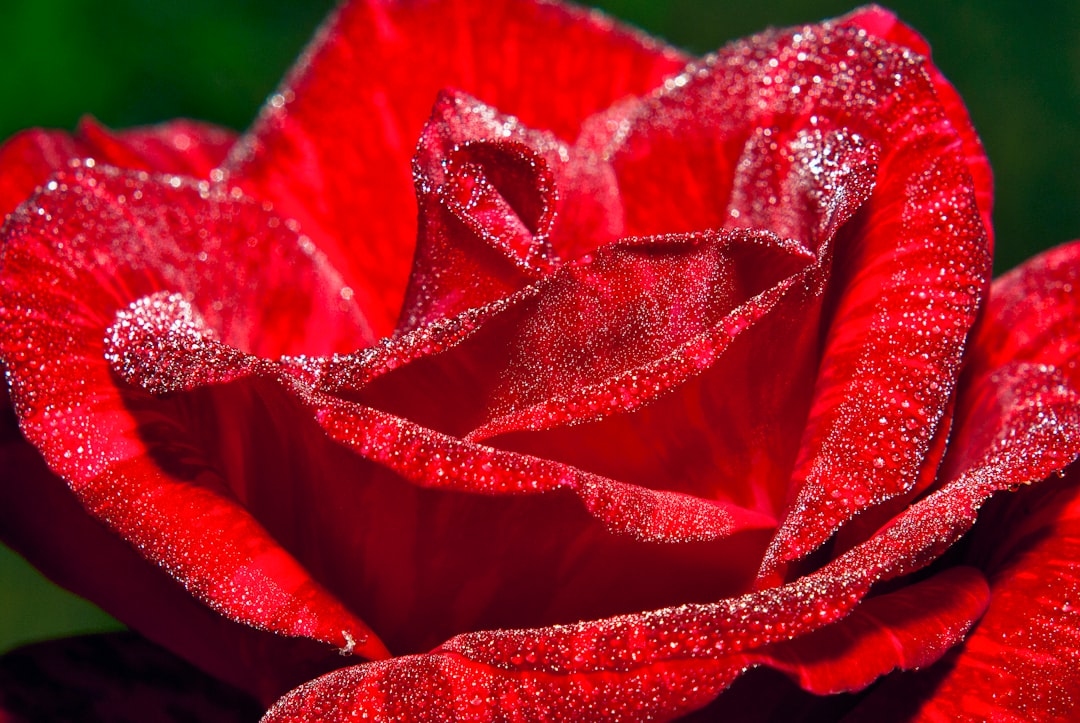
Picture this: It’s Valentine’s Day, 2026. You spot a dozen deep crimson roses on a Manhattan sidewalk, their petals impossibly lush. Chances are, they’re from the high-altitude farms of Ecuador–a country that’s become the global epicenter for rose production. But behind these flawless blooms, ethical questions are blooming, too. What’s really going on with Ecuadorian rose farms? Are those romantic bouquets as pure as they look?
Quick Answer: Are Roses from Ecuador Ethically Grown?
Most Ecuadorian roses are grown on large-scale farms, many of which still face challenges regarding fair pay, pesticide use, and workers’ rights. However, a growing number of farms in Ecuador are certified by organizations like Fair Trade and Rainforest Alliance, signaling improved ethical and environmental practices. When buying Ecuadorian roses in the US, look for certifications and ask your florist about sourcing to support more ethical floristry.
Why Ecuador Roses Dominate the US Market
Ecuador isn’t just another rose supplier–it’s the heavyweight champion. The country exports over $1 billion USD worth of fresh flowers annually, shipping more than 80% of its roses to the United States (source: Ecuador Ministry of Foreign Trade, 2026). High altitude and consistent sunlight give Ecuadorian roses their signature large blooms and long, strong stems. That’s why you spot them at nearly every floral shop from Portland to Miami.
Top US retailers sourcing Ecuadorian roses:
- 1-800-Flowers
- UrbanStems
- ProFlowers
- Local FTD florists
But with great scale comes complex supply chains, making transparency difficult.
Ethical Issues on Ecuadorian Rose Farms
Worker Conditions and Wages
A 2025 study by Dr. Ana Morales, floral supply chain specialist at the Sustainable Floristry Institute, found that about 60% of Ecuador’s 120,000 flower farm workers are women–many supporting families on minimum wage (around $450/month in 2026). While national labor laws exist, enforcement is inconsistent.
Key Concerns:
- Long hours during peak seasons (Valentine’s, Mother’s Day)
- Minimal healthcare, despite exposure to chemicals
- Reports of child labor on smaller, uncertified farms
Pesticide and Chemical Use
Roses are notorious for being delicate to pests and diseases. Ecuadorian farms historically used pesticides with little oversight. However, a 2024 shift in Ecuador’s export regulations–pressured by the EU and US buyers–has started to enforce stricter limits on banned substances.
“We’re seeing far fewer cases of worker poisoning now than five years ago, but we’re not at zero,” reports Laura Menendez, agronomist and ethical auditing consultant, Quito.
Environmental Impact
- Water: Large farms draw huge quantities from mountain aquifers.
- Waste: Plastic greenhouses, fertilizer runoff, and transportation add to the carbon footprint.
- Biodiversity: Monoculture rose farms replace native Andean species.
Certifications: What They Mean (and Don’t)
Main Ethical Flower Certifications
| Certification | Focus | Ecuadorian Rose Farms (2026) |
|---|---|---|
| Fair Trade | Workers’ rights, pay | ~20% |
| Rainforest Alliance | Environment, labor | ~12% |
| Florverde | Worker safety, ecology | ~15% |
| USDA Organic | Chemicals, soil health | <1% |
Note: Many farms display “eco-friendly” or “sustainable” badges that aren’t backed by independent auditing.
How Reliable Are These Certifications?
Dr. Emily Foster, director at the US Sustainable Floristry Council, cautions:
“A Fair Trade label guarantees a baseline of ethical treatment, but it’s not a silver bullet. Some farms may comply on paper but cut corners in practice.”
How to Buy Ethically Grown Ecuadorian Roses in the US
Ask These Questions at Your Florist
- Which farm or cooperative did these roses come from?
- Are they Fair Trade, Rainforest Alliance, or Florverde certified?
- Can you provide documentation or tags from the box?
US Brands With Ethical Sourcing
- Bouqs Co.: Offers Fair Trade and Rainforest Alliance-certified Ecuadorian roses; clear labeling online.
- Farmgirl Flowers: Sells US-grown and imported roses, with an emphasis on certified sources.
- UrbanStems: Partners with select Ecuadorian farms with transparent labor audits.
Price Differences
Ethically certified roses cost 10-30% more wholesale. Expect to pay $85-$120 for a premium Fair Trade Ecuadorian dozen in the US (vs. $55-$75 for conventional).
The Future: Improvements and Ongoing Challenges
Worker Advocacy in Ecuador
Unions such as Sindicato de Trabajadores de Flores de Ecuador have gained strength since 2022, pushing for better pay and reduced pesticide exposure. Some farms now provide on-site daycare and health clinics–a huge step forward.
US Consumer Demand
In 2026, nearly 1 in 4 US consumers say they’d pay more for ethically sourced flowers (IBISWorld survey). This is nudging US retailers to prioritize traceability, but price sensitivity is still a hurdle.
Pull-quote:
“Change is happening–slowly. Each bouquet you choose helps drive what the industry values.” – Mara Velez, sustainable florist, Brooklyn, NY
FAQ: Ethically Grown Ecuadorian Roses
How do I know if my roses are ethically grown?
Look for third-party certifications on labels (like Fair Trade, Rainforest Alliance, or Florverde). Ask your florist or online retailer for sourcing documentation. Ethically grown roses are usually labeled and may cost more than conventional bouquets.
Are all roses from Ecuador grown with pesticides?
Most conventional Ecuadorian roses use pesticides, though certified organic and Rainforest Alliance farms limit or avoid chemicals. Only about 1% of Ecuadorian rose farms are USDA Organic certified in 2026.
Can I buy US-grown roses instead?
Yes, but options are limited. US-grown roses (mainly from California) make up less than 5% of the domestic market in 2026, and are usually pricier and available only during the spring-summer season.
Do Fair Trade roses really help workers?
Fair Trade roses mean farms must pay living wages, provide safety equipment, and allow worker organizing. While not perfect, these standards offer better conditions than non-certified farms.
Why are Ecuadorian roses so much bigger than others?
Ecuador’s high altitude (over 9,000 ft in some regions) provides intense sunlight and cool nights. This slows the bloom, giving roses larger heads and longer vase life–qualities prized by US florists.
What Can You Do Next? Supporting Ethical Rose Choices in 2026
Start a conversation the next time you buy flowers. Ask your florist about farm sourcing, or check online for Fair Trade or Rainforest Alliance options–even if it costs a bit more. When friends admire your bouquet, share a snippet about why it matters. If your local shop doesn’t stock ethical roses, request them. Each question you ask puts pressure on the supply chain to put people and planet first, so your next bunch of blooms is beautiful inside and out.