Contents:
- Quick Answers: What Makes Amaryllis Unique? (Featured Snippet Style)
- Not Actually a Lily–And Not Just One Genus
- Hippeastrum vs. True Amaryllis
- Winter Blooming Powerhouse
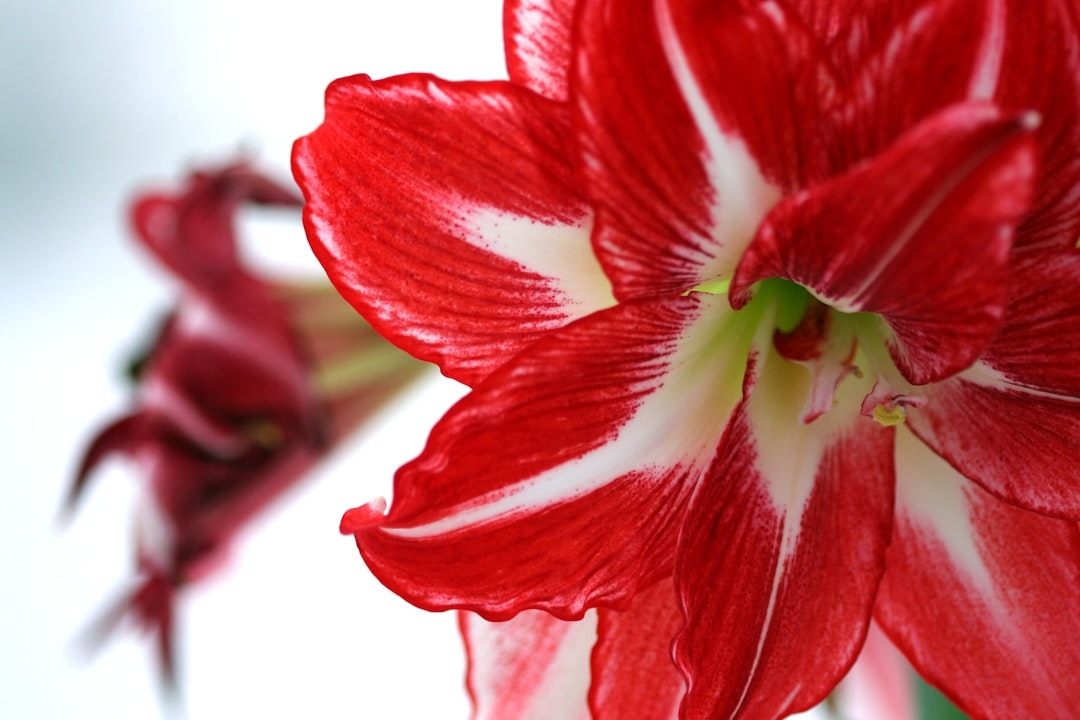
- More Than Just Red–A Rainbow of Amaryllis Colors
- Amaryllis Blooms Get Huge–And Tall
- They’re Surprisingly Low-Maintenance
- Reblooming Isn’t a Myth–Here’s the Secret
- How to Get Amaryllis to Rebloom
- Poisonous to Pets–but Not to People
- Amaryllis Flowers Last Longer with Proper Care
- Amaryllis Has An Ancient & Symbolic Side
- How long does an amaryllis flower last indoors?
- Is amaryllis safe for pets?
- Can you plant amaryllis outdoors in the U.S.?
- How do you get amaryllis to bloom again?
- Are amaryllis flowers only red?
9 Facts You Didn’t Know About Amaryllis
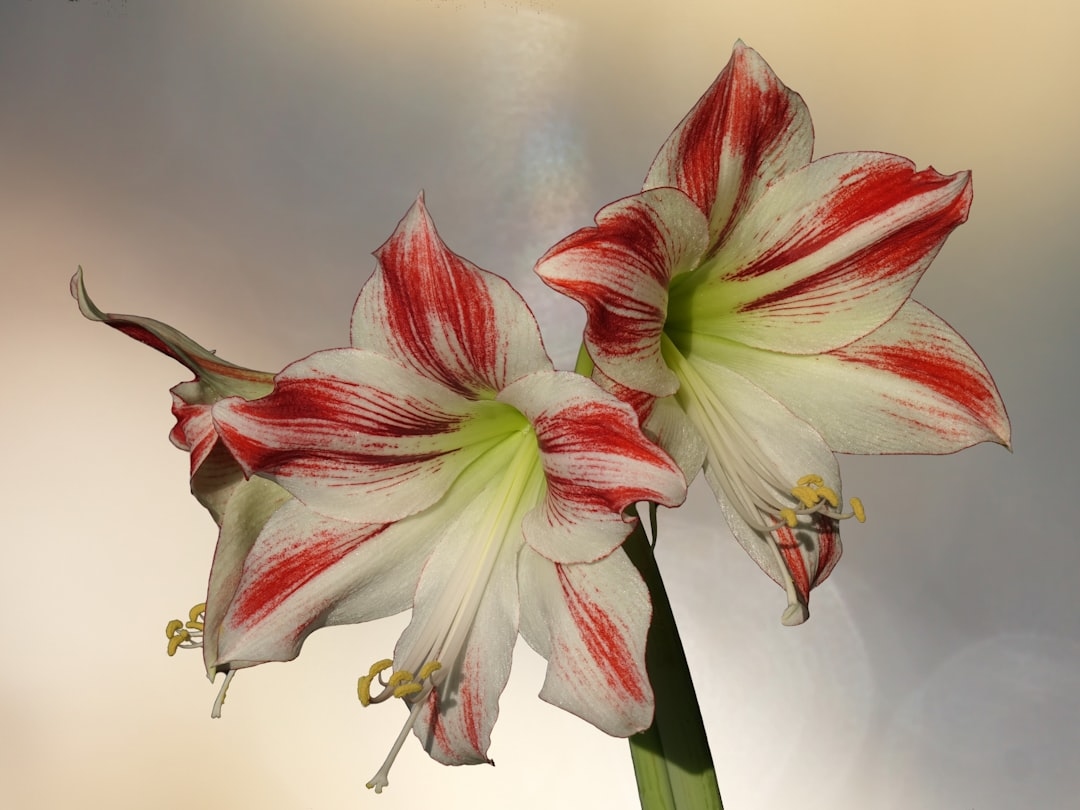
Picture a single green stalk, bare as a pencil, suddenly exploding into a starburst of fiery red blooms just as winter closes in. That’s the amaryllis–a flower famous in American holiday windows, yes, but also a botanical marvel with a story to tell. Most people recognize it from December centerpieces, yet beneath that festive reputation lies a history, science, and versatility most folks never hear about.
Quick Answers: What Makes Amaryllis Unique? (Featured Snippet Style)
Amaryllis stands out for its enormous trumpet-shaped blooms, late fall-to-winter blooming season, and surprisingly easy indoor cultivation. It’s not truly a lily, hails mainly from South America, and can rebloom for decades if cared for correctly. The amaryllis comes in dozens of bold colors–not only red–and is safe for display in most homes, though toxic to pets if ingested.
1. Not Actually a Lily–And Not Just One Genus
The name “amaryllis” gets thrown around a lot, but most American-grown amaryllis–those big, potted bulbs at Trader Joe’s or Home Depot–aren’t true amaryllises in the strict botanical sense.
Hippeastrum vs. True Amaryllis
- What you buy: The plant sold as “amaryllis” in the U.S. is Hippeastrum, native to Central and South America (especially Brazil and Argentina).
- The original amaryllis: Botanically, the real Amaryllis genus refers to Amaryllis belladonna, or the “Naked Lady” from South Africa.
The confusion dates to the 1800s. Nursery catalogs mixed the South American Hippeastrum with the African Amaryllis, and the common name stuck. For U.S. florists and gardeners, “amaryllis” almost always means Hippeastrum.
“Even professional florists mix up amaryllis and Hippeastrum. For customers, the distinction is all but lost–a case where tradition beats science.”
–Marla Groves, AIFD, Portland, OR
2. Winter Blooming Powerhouse
Amaryllis’s biggest wow factor in the United States: spectacular flowering when little else is in bloom. Holiday shoppers flock to buy dormant bulbs between October and December. Just add water and warmth, and within six weeks, those bulbs erupt with 6- to 10-inch blossoms–timed perfectly for the Christmas and New Year’s season.
- Typical bloom timing: November to March (indoors)
- Number of flowers per stalk: Usually 2-6
- Rebloom potential: Many bulbs rebloom for 10+ years if properly rested
Florist Danette Schuler, who’s specialized in winter arrangements since 2002, says, “Nothing else gives you such a show on a windowsill in January.”
3. More Than Just Red–A Rainbow of Amaryllis Colors
Red amaryllis stalks are classics, but the color palette has exploded. Modern hybrids feature:
- Pure white (‘Alfresco’)
- Peach (‘Apricot Parfait’)
- Magenta (‘Purple Rain’)
- Multicolored stripes (‘Picotee’ or ‘Candy Cane’)
- Deep burgundy (‘Black Pearl’)
- Classic double blooms (‘Double Dream’)
The U.S. market saw more than 40 named amaryllis varieties in national catalogs by 2026, with prices for top-tier bulbs reaching $35-$45 each from specialty growers like Brent & Becky’s Bulbs or White Flower Farm.
4. Amaryllis Blooms Get Huge–And Tall
Amaryllis is the showoff of the winter bulb world. The size stats are impressive:
| Feature | Amaryllis (Hippeastrum) | Paperwhite Narcissus | Tulip (Indoors) |
|---|---|---|---|
| Typical bloom width | 6-10 inches | 1-2 inches | 3-5 inches |
| Stalk height | 18-28 inches (sometimes more) | 10-12 inches | 12-16 inches |
| Number of flowers/stalk | 2-6 | 8-12 (smaller flowers) | 1 per bulb |
A single potted amaryllis stem can rival a bouquet. No wonder it’s a florist favorite for large arrangements–especially since the blooms can last two weeks or more indoors.
5. They’re Surprisingly Low-Maintenance
Think of amaryllis as the houseplant equivalent of a slow cooker: minimal input, spectacular results. All you need:
- Place the bulb in a snug pot.
- Add soil, leaving the top third exposed.
- Water thoroughly once, then wait until you see growth before watering again.
Fun fact: Amaryllis bulbs don’t even need soil–just put them in a vase with pebbles and enough water to touch the bulb’s base. It’s the ultimate “set it and forget it” bloom.
“My customers who claim they kill every plant always succeed with amaryllis. It’s practically bulletproof.”
–Javier Torres, Lead Florist, Dallas, TX
6. Reblooming Isn’t a Myth–Here’s the Secret
A single bulb can flower for over a decade. But here’s the catch: it needs a rest period.
How to Get Amaryllis to Rebloom
- After flowering: Cut off the spent flower stalk(s), but keep the leaves.
- Spring-Summer: Grow the plant in bright, indirect light, watering regularly.
- August-October: Let the soil dry and keep the bulb cool (55°F-60°F). This dormancy signals the plant to reset.
- Restart: Move to warmth and water. Blooms should appear within 6-8 weeks.
Florist and bulb specialist Linda Yates, Horticultural Society of America, notes, “With just a bit of rest, a quality bulb can rebloom year after year–some families in New England grow the same amaryllis for 25 years.”
7. Poisonous to Pets–but Not to People
Like many common houseplants, amaryllis contains lycorine–a compound toxic to cats and dogs, according to the ASPCA’s 2026 poisonous plants list. Symptoms include drooling, vomiting, and stomach upset if chewed. For humans, the bulb is technically poisonous if eaten (but, frankly, tastes awful).
Good to know for U.S. homes:
- Keep bulbs away from curious pets.
- Cut flowers are generally safe for vase arrangements–as long as pets don’t nibble greenery.
8. Amaryllis Flowers Last Longer with Proper Care
Want those trumpet blooms to last? Try these florist-approved tips:
- Keep cool: Place arrangements away from direct sun and heaters.
- Change water often: For cut stems, swap water daily and trim ends every 2-3 days.
- Use floral preservative: As recommended by FTD and Teleflora in their 2026 care guides.
With good care, amaryllis flowers can look fresh for up to 18 days in cool homes–a longevity unmatched by most supermarket bouquet flowers.
9. Amaryllis Has An Ancient & Symbolic Side
Amaryllis has inspired legends for thousands of years. The name comes from the Greek word “amarysso,” which means “to sparkle.” In Victorian America, amaryllis symbolized pride and radiant beauty–a nod to its dramatic presence. Today, it’s often gifted for:
- Christmas and Hanukkah
- New Year’s (for “new beginnings”)
- Housewarming gifts
- Mother’s Day
It’s especially popular in U.S. flower shops from November to March, with online ordering spikes on ProFlowers and 1-800-Flowers each December.
FAQ: All About Amaryllis
How long does an amaryllis flower last indoors?
Most amaryllis blooms last 10-18 days indoors, especially if kept cool and out of harsh sunlight. With proper care, a single bulb can produce flowers for several weeks by staggering multiple stalks.
Is amaryllis safe for pets?
No–amaryllis is toxic to cats and dogs if any part of the bulb or plant is ingested. It’s best to display amaryllis out of reach if you have pets.
Can you plant amaryllis outdoors in the U.S.?
In USDA zones 8-10 (such as parts of Texas and Florida), amaryllis will survive outdoors year-round. In colder regions, most gardeners grow them indoors or dig up and store the bulbs for winter.
How do you get amaryllis to bloom again?
Let the plant rest after flowering by withholding water and storing the bulb cool and dry for 8-12 weeks, then revive with warmth and water. Reliable reblooming depends on following this cycle each year.
Are amaryllis flowers only red?
Not at all! Amaryllis come in white, pink, peach, magenta, burgundy, striped, and even multicolored varieties. The U.S. market now offers more than 40 cultivars in a rainbow of hues.
Ready for your own amaryllis adventure? Look for specialty bulbs at your local nursery or try a mail-order favorite like White Flower Farm. With just a sunny windowsill and a splash of water, you’re only weeks away from one of the most dramatic, rewarding winter blooms around. And if you’re feeling bold, challenge yourself to nurture it–rebloom and all–into next year, and the next, and the next.