Contents:
- Quick Answer: How Do You Repurpose Floral Foam Blocks?
- Why Repurpose Floral Foam Blocks At All?
- Drying and Cleaning Used Floral Foam
- Is It Safe to Reuse Floral Foam?
- How To Prepare Used Foam Blocks
- Creative Ways to Reuse Floral Foam Blocks
- Practice Arrangements
- Craft Projects and Home Decor
- Faux Flower and Dried Botanical Designs
- Seedling and Propagation Starters
- Sculpting and Carving Bases
- What Floral Foam Should Not Be Used For
- Alternatives to Traditional Floral Foam in 2026
- How to Store Repurposed Floral Foam Blocks
- Proper Storage Means Less Mess
- Responsible Disposal When It’s Finally Done
- FAQ: Repurposing Floral Foam Blocks
- How many times can you realistically reuse a floral foam block?
- Is it safe to use old floral foam for food or drink arrangements?
- Can you compost traditional floral foam?
- What’s a good alternative to floral foam for fresh flowers?
- Can you paint or decorate used floral foam?
How to Repurpose Floral Foam Blocks: Smart, Sustainable Florist Tips for 2026
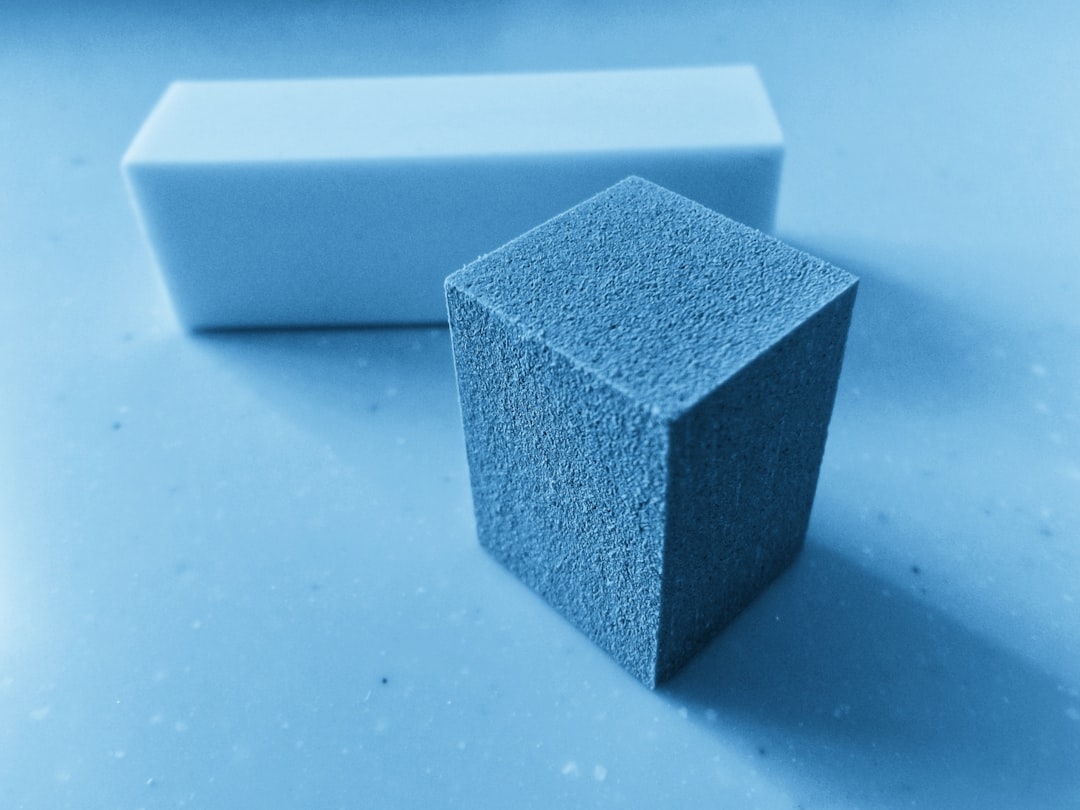
Picture a workroom after the last big event–leftover flowers, snippets of ribbon, and that unmistakable stack of used floral foam blocks. What happens to all that foam once the party’s over? In the US alone, florists toss out millions of blocks every year. Here’s the thing: with a little creativity and know-how, those bricks don’t have to wind up in a landfill. Let’s see what’s actually possible for reusing floral foam blocks, so you can save money, cut waste, and keep your designs looking fresh.
Quick Answer: How Do You Repurpose Floral Foam Blocks?
Floral foam blocks can be repurposed by drying and reusing them for practice arrangements, craft projects, seed starting, or lightweight sculpting bases. They’re not suitable for food arrangements or water-intensive fresh flower work after initial use, but offer endless potential for dry flowers, faux arrangements, educational demos, and eco-friendly crafts.
Why Repurpose Floral Foam Blocks At All?
Most florists in the US know the green bricks–brands like Oasis® and FloraCraft® dominate the market for keeping fresh stems secure. But traditional floral foam is made from phenol-formaldehyde, a petrochemical plastic that never fully degrades (source: American Society of Florists, 2024). Estimates from 2026 indicate US florists discard over 90 million pounds of floral foam per year. That’s a heavy footprint.
Repurposing foam isn’t just about thrift–it’s about protecting your health, reputation, and the planet. Some florists like Maya Lin, AIFD-certified and owner of Petal Parade, note that reusing foam for non-food, non-drinkable purposes “cuts down on disposal fees and helps me teach sustainable design to local students.”
“You can stretch a box of Oasis into twice as many classes or events if you get creative about second (or third) uses.”
– Maya Lin, AIFD, Petal Parade, Portland OR
Drying and Cleaning Used Floral Foam
Is It Safe to Reuse Floral Foam?
First rule: never reuse foam for client work that involves drinking vessels, food, or highly water-dependent fresh arrangements. Foam can harbor bacteria and break down structurally after the first use. But for dried flowers, practice designs, and crafts, it can have a long second life.
How To Prepare Used Foam Blocks
- Remove debris: Pull out all stems and shake out loose plant bits.
- Dry thoroughly: Leave foam out of direct sunlight (to prevent warping) for 3-5 days. Fans can speed up the process.
- Inspect for breakage: Avoid reusing crumbling or moldy foam.
- Cut down to size: Use a serrated knife for smoother edges.
For particularly stained foam, some florists spritz lightly with diluted white vinegar (1:4 with water) and let air dry.
Creative Ways to Reuse Floral Foam Blocks
1. Practice Arrangements
Save money on training materials. Used foam is perfect for:
- Teaching beginner florists how to angle stems.
- Rehearsing mechanics for large installations.
- Mockup centerpieces before final production.
2. Craft Projects and Home Decor
Repurposed foam works wonders for DIYers and crafters:
- Wreath bases: Cut foam into rings for lightweight wreaths.
- Topiary frames: Stack and carve blocks for indoor topiaries.
- Modeling bases: Kids’ dioramas or school projects love easy-to-poke foam.
Tip: Always keep foam away from children under 8 due to choking hazards.
3. Faux Flower and Dried Botanical Designs
After its first use, floral foam is less reliable for soaking, but:
- Artificial stems anchor beautifully.
- Preserved and dried flowers stay upright in old foam.
- Use for displays at home, retail, or as seasonal shop decorations.
4. Seedling and Propagation Starters
Some US horticulture teachers, like Steven Gomez (Master Gardener, Texas A&M), use washed foam chunks as lightweight seed starters:
“It’s not perfect, but dried, sanitized foam in trays gives seeds decent drainage and root support for non-edible starts.”
5. Sculpting and Carving Bases
The lightweight, carvable nature makes used foam blocks a hit for:
- Parade floats.
- Theater props.
- Holiday decor shapes.
What Floral Foam Should Not Be Used For
| Application | Safe with Used Foam? | Notes |
|---|---|---|
| Commercial food or drink displays | ❌ No | Bacteria risk |
| Fresh flower arrangements | ⚠️ Not recommended | Weak water retention, bacteria |
| Event centerpieces (with water) | ⚠️ Not ideal | If client quality matters |
| Crafts, dry and faux flowers | ✅ Yes | Ideal use |
| Teaching and practice arrangements | ✅ Yes | Excellent for student use |
Freshness matters: For anything involving live plants to be consumed, err on the side of new foam.
Alternatives to Traditional Floral Foam in 2026
As environmental concerns rise, more options hit the US market:
Sustainable brands to know:
- Agra-Wool Natural Floral Foam: Biodegradable, made from basalt and sucrose.
- Oasis® TerraBrick: Compostable, made from plant-based materials.
- Veriflora Certified Products: Guarantees sustainable sourcing.
Reusable mechanics:
- Chicken wire “frogs”
- Glass marbles
- Pin holders (kenzan)
- Water tubes
Repurposing old floral foam is a patch, not a solution–consider blending old and new methods for best results.
How to Store Repurposed Floral Foam Blocks
Proper Storage Means Less Mess
- Keep in dry, sealed containers to avoid mold.
- Label by use: Practice/Craft vs. Fresh/Edible only.
- Stack gently to avoid crumbling.
Florists with small spaces often use shoe organizers or clear tubs ($10-$20 at Target or Home Depot) to save room.
Responsible Disposal When It’s Finally Done
Once foam is too crumbly or contaminated to reuse, it becomes a disposal challenge. Traditional foam is not curbside recyclable in the US.
Disposal tips:
- Double-bag used foam before trashing, preventing microplastic spread.
- Never wash foam bits down the drain.
- Check with local hazardous waste collection for occasional large loads.
- For fully plant-based alternatives, compost per packaging directions.
FAQ: Repurposing Floral Foam Blocks
How many times can you realistically reuse a floral foam block?
Most blocks withstand 2-3 uses for practice or craft projects. For professional water-based arrangements, only use new foam.
Is it safe to use old floral foam for food or drink arrangements?
No, you should never reuse foam for displays that touch food or beverages, due to contamination and bacteria risk.
Can you compost traditional floral foam?
No–standard foam (like Oasis® Classic) is not compostable or biodegradable and must go in the trash. Some new plant-based foams are certified compostable.
What’s a good alternative to floral foam for fresh flowers?
Flower frogs, chicken wire, reusable pin holders, and new compostable foams like Oasis® TerraBrick offer eco-friendlier options.
Can you paint or decorate used floral foam?
Yes–spray paint and acrylics work well for craft projects, but sealed foam is best used for dry or faux floral creations.
Next time you’re staring at a pile of used foam bricks after a wedding or workshop, pause before pitching them. Reduce your shop’s waste footprint by stacking those leftovers for practice, crafts, or classroom demos. And if you haven’t yet, experiment with newer sustainable substitutes–the more you blend reuse with innovation, the greener your floristry becomes.