Contents:
- Quick Answer: What Flowers Have Bell-Shaped Blooms?
- Why Do So Many Flowers Mimic Bells?
- The All-Stars: 8 Most Iconic Bell-Shaped Flowers
- Foxgloves (Digitalis purpurea)
- Campanulas (Bellflowers)
- Bluebells (Hyacinthoides non-scripta & Virginia Bluebell)
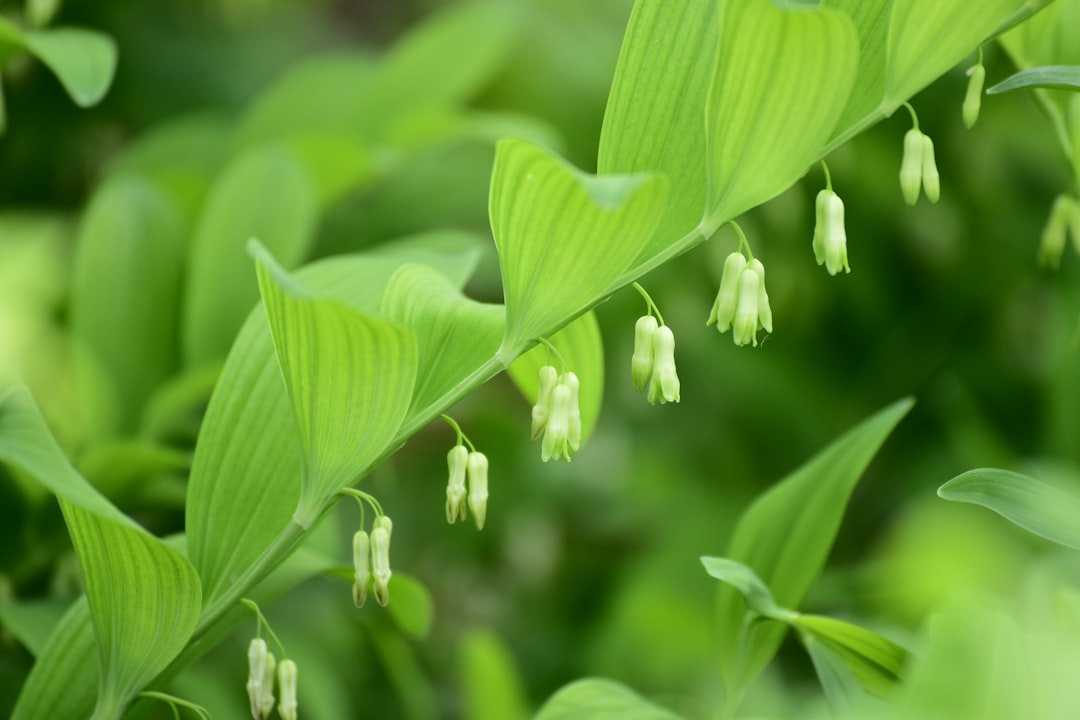
- Lily of the Valley (Convallaria majalis)
- Snowdrops (Galanthus nivalis)
- Fuchsias (Fuchsia magellanica)
- Japanese Snowbell Tree (Styrax japonicus)
- Trumpet Lilies (Lilium longiflorum)
- Bell-Shaped Blooms: At-a-Glance Comparison
- How Florists Use Bell-Shaped Flowers in Arrangements
- Adding Movement and Texture
- Mixing With Other Blooms
- Growing Bell-Shaped Flowers at Home
- Choosing the Right Varieties
- Planting and Care Basics
- Bell-Shaped Flowers in US Culture and Symbolism
- FAQ: Bell-Shaped Flowers
- What are the most popular bell-shaped flowers in the US in 2026?
- Are any bell-shaped flowers poisonous to pets or humans?
- Can I grow bluebells in hot climates like Florida or Arizona?
- Where can I buy bell-shaped flowers for delivery in the US?
- Why do bell-shaped flowers face downward?
- Get the Look: Bring Bell-Shaped Flowers Into Your Life
Flowers Shaped Like Bells: Nature’s Little Chimes
Picture a garden path on a dewy spring morning. You brush past clusters of delicate blooms, and their bell-shaped blossoms nod as if greeting you–nature’s invitation to pause and look closer. Flowers shaped like bells have an undeniable charm. From fairytale foxgloves towering over cottage gardens to wild bluebells tracing forest floors, these floral chimes aren’t just beautiful–they’re clever, hardy, and sometimes even life-saving.
Quick Answer: What Flowers Have Bell-Shaped Blooms?
Flowers shaped like bells include foxgloves, campanulas, bluebells, lily of the valley, snowdrops, fuchsias, and certain types of lilies, such as the trumpet lily. These bell-shaped blooms appear across multiple plant families and colors, and they’re found in gardens, wild landscapes, and florists’ arrangements throughout the US.
Why Do So Many Flowers Mimic Bells?
Bell-shaped flowers–sometimes called campanulate blooms–aren’t just a quirk of evolution. Their design serves a crafty purpose. According to Dr. Sasha Rivera, horticulture specialist at the University of Michigan (2026), the bell shape shields pollen from rain and makes it easier for bees, hummingbirds, and even small moths to access nectar.
“The bell is nature’s way of inviting the right pollinator in and keeping excess moisture out,” says Dr. Rivera. “This shape has evolved independently in more than a dozen plant families.”
Some bell blooms, like bluebells and Virginia bluebells, droop downward, while others, like Canterbury bells, face outward to catch the light. The difference affects which pollinators visit, and when. For example, scientists have found that downward-facing bells are 37% more likely to attract bumblebees, which can hang upside down while feeding (Journal of Pollination Biology, 2024).
The All-Stars: 8 Most Iconic Bell-Shaped Flowers
1. Foxgloves (Digitalis purpurea)
Spotted in everything from English novels to American front yards, foxgloves are dramatic, tall, and a bit mysterious. Each stem is lined with dozens of tubular bells, usually in shades of purple, pink, or white. They’re biennials, meaning they flower in their second year, and can reach 6 feet in ideal conditions.
Fun fact: Foxgloves are a source for digitalis, a heart medication. But don’t eat them–they’re deadly if ingested.
2. Campanulas (Bellflowers)
Campanulas come in more than 500 varieties, from groundcover ‘Blue Clips’ (excellent for US zones 3-8) to towering ‘Canterbury Bells’ that light up June weddings. Their classic, true-blue color is rare among flowers, making them prized in American bouquets.
Average cost at US florists: $2.50 per stem in 2026, up 7% from 2024 due to rising seed costs.
3. Bluebells (Hyacinthoides non-scripta & Virginia Bluebell)
While the English bluebell carpets European forests, the Virginia bluebell (Mertensia virginica) is native to the eastern US. Both thrive in moist, shady spots and bloom in April or May, nodding gently on slender stalks.
Key difference: English bluebells are protected in many states due to invasiveness; always check before planting.
4. Lily of the Valley (Convallaria majalis)
Tiny bells, huge perfume. These dainty white or blush blooms fill early-spring bouquets with a scent often described as “fresh rain on moss.” Popular with luxury florists like UrbanStems and The Bouqs Co., lily of the valley is also highly toxic–keep away from pets and kids.
5. Snowdrops (Galanthus nivalis)
One of the earliest spring bloomers in the US, snowdrops often flower through late winter snow. Each plant features a single, nodding white and green bell. They’re famous for naturalizing–spreading out year after year into larger carpets.
6. Fuchsias (Fuchsia magellanica)
Known for hanging baskets and hummingbird magnets, fuchsias have bi-colored, flared bells in magenta, purple, or white. They thrive in coastal California and the Pacific Northwest, blooming from late spring into fall.
7. Japanese Snowbell Tree (Styrax japonicus)
Want bell flowers on a tree? The Japanese snowbell’s small, fragrant white bells dangle below its branches in late spring. Popular in Southern states and along the West Coast, these trees top out at 20-30 feet and make a statement in larger landscapes.
8. Trumpet Lilies (Lilium longiflorum)
Often called “Easter lilies” in the US, these are technically trumpets–an elongated bell. Their creamy white, ultra-fragrant blossoms star in religious and springtime arrangements nationwide.
Bell-Shaped Blooms: At-a-Glance Comparison
| Flower Name | Bloom Time | Colors | Height | US Hardiness Zones | Notable Traits |
|---|---|---|---|---|---|
| Foxglove | Late Spring | Pink, purple | Up to 6 ft | 4-9 | Tall spikes, toxic |
| Campanula (Bellflower) | Summer | Blue, white | 6-36 in | 3-8 | Soothing blue hues |
| Lily of the Valley | Early Spring | White | 6-12 in | 3-8 | Fragrant, highly toxic |
| Bluebell (Virginia) | Spring | Blue | 12-24 in | 3-8 | Spreads well, woodland |
| Fuchsia | Summer-Fall | Magenta, purple | 1-3 ft | 6-10 | Hanging baskets, hummingbirds |
| Trumpet Lily | Spring/Easter | White | 2-3 ft | 4-8 | Fragrant, centerpiece |
How Florists Use Bell-Shaped Flowers in Arrangements
Adding Movement and Texture
“Bell flowers offer a visual rhythm,” says Jen McAllister, lead designer at Boston’s Petal & Vine (est. 2009). Bells cascade, nod, and sway, making arrangements look alive and unruly–in the very best way.
Florists frequently use:
- Small bell blooms (lily of the valley, snowdrops) for boutonnières and delicate bridal work.
- Foxglove and Canterbury bells to add height and drama to centerpieces.
- Fuchsia stems in hanging wedding installations, especially popular in LA and Seattle.
Mixing With Other Blooms
Bell flowers pair well with roses, ranunculus, and peonies. The contrast between round, plush flowers and the elongated bells creates drama. In 2026, “wild garden” style remains on trend, with arrangements incorporating unexpected bell flowers for texture and whimsy.
Florists source these blooms from US growers in California, Oregon, and Michigan or import specialty varieties from Europe.
Growing Bell-Shaped Flowers at Home
Choosing the Right Varieties
US gardeners have more options than ever in 2026, thanks to climate-resilient hybrids. Look for varieties marked tolerant to drought or heat if you live in the Southwest.
Best for Beginners:
- Campanula ‘Blue Clips’
- Virginia bluebells
- Snowdrops (plant as bulbs in fall)
Toughest in Hotter Zones:
- Japanese snowbell tree
- Fuchsia ‘Gartenmeister’
Planting and Care Basics
- Most bell-shaped flowers prefer moist, well-drained soil and dappled light.
- Sow foxglove seeds outdoors in late summer for blooms the next year.
- Mulch well to retain soil moisture–especially in Western states during dry spells.
- Avoid overwatering, which can rot roots (especially lily of the valley).
Pro tip (from Emma Chavez, Master Gardener, Dallas):
“Plant bluebells and snowdrops in clusters for the most dramatic effect. Isolated plants get lost–mass them for a ‘fairytale’ feel.”
Bell-Shaped Flowers in US Culture and Symbolism
Across America, bell-shaped flowers appear in everything from wedding bouquets to folk legends. Lily of the valley symbolizes a return to happiness–hence its role in wedding florals for generations (even featured in Grace Kelly’s bouquet in 1956). Foxglove, meanwhile, hints at both danger and charm.
In Texas, bluebells are sometimes called “prairie bluebell” (though botanically, that’s Eustoma grandiflorum), proving how beloved the bell motif is–even if the names can be confusing.
FAQ: Bell-Shaped Flowers
What are the most popular bell-shaped flowers in the US in 2026?
Foxgloves, campanulas, lily of the valley, and Virginia bluebells top the list for both home gardens and florists’ use, with demand for US-grown ‘Canterbury bells’ up 15% since 2024.
Are any bell-shaped flowers poisonous to pets or humans?
Yes, foxglove and lily of the valley are both highly toxic if eaten, affecting the heart. Always keep these away from children and pets and wear gloves when handling the plants.
Can I grow bluebells in hot climates like Florida or Arizona?
Bluebells (Hyacinthoides and Mertensia) prefer cooler, moist climates and don’t thrive in southern Florida or Arizona. Consider fuchsias or Japanese snowbells for bell-shaped blooms in warmer zones.
Where can I buy bell-shaped flowers for delivery in the US?
Major US flower delivery services like 1-800-Flowers and UrbanStems offer seasonal arrangements featuring campanulas, lily of the valley (in spring), and fuchsias. For custom requests, local florists can often source these blooms if ordered a week in advance.
Why do bell-shaped flowers face downward?
Many bell blooms droop to protect pollen from rain or dew and attract particular pollinators–bumblebees, for example, can easily feed while hanging upside down.
Get the Look: Bring Bell-Shaped Flowers Into Your Life
Curating a bouquet? Planting for next season? Try mixing a few bell-shaped varieties for texture and a touch of whimsy. Ask your local nursery for native bell blooms or choose a farm-fresh bouquet from a US-based florist. If you’re feeling adventurous, tuck a few foxglove seeds in the ground this summer and picture those spires of little bells welcoming you home next spring. Nature’s chimes are closer than you think.