Contents:
- Why Bouquet Size Matters More Than Most People Think
- The Standard Rose Bouquet Sizes: A Complete Breakdown
- 6 Stems: The Posy or Single-Statement Bouquet
- 12 Stems: The Classic Dozen
- 15–18 Stems: The Upgraded Standard
- 24 Stems: The Statement Bouquet
- 36 Stems: Luxury Threshold
- 50–100+ Stems: Grand Gesture Territory
- Bouquet vs. Floral Arrangement: What’s the Actual Difference?
- How Rose Variety Affects Visual Impact at Each Size
- Hybrid Tea Roses
- Garden Roses (David Austin and Similar)
- Spray Roses
- The Odd vs. Even Number Question
- Seasonal Availability and Its Effect on Stem Count Expectations
- Valentine’s Day and Supply Constraints
- Late Summer and Fall: The Hidden Opportunity
- DIY Bouquet Assembly: When and How It Makes Sense
- Buying Wholesale
- Conditioning Tips
- When to Skip DIY
- Cost Breakdown: What You’re Actually Paying For
- FlowersCNJ’s Approach to Bouquet Sizing
- Common Mistakes When Ordering Rose Bouquets
- FAQ: Rose Bouquet Size Questions Answered
- What is considered a standard bouquet of roses?
- Is 12 roses enough for a romantic gesture?
- How many roses are in a luxury bouquet?
- What’s the difference between a bouquet and a floral arrangement?
- How do I know what size bouquet to order?
You’ve probably spent more time than you’d like staring at a florist’s website, wondering whether 12 roses is enough, whether 18 sounds excessive, or why a “luxury bouquet” lists 24 stems but looks the same as the 12-stem option in the photos. The question of how many roses belong in a bouquet seems like it should have a simple answer — it doesn’t, and that gap between expectation and reality frustrates a lot of buyers.
The truth is that bouquet size is part math, part symbolism, and part visual design. Get it right, and the bouquet speaks for itself. Get it wrong, and you either undersell the occasion or overspend without meaningful impact. This guide covers the full spectrum — from entry-level posies to statement arrangements — so you know exactly what you’re ordering and why.
Why Bouquet Size Matters More Than Most People Think
A bouquet of roses communicates before anyone reads the card. The first impression — the visual weight of it, how it fills the arms of the person holding it, how it looks in a vase — carries emotional information that the number of stems produces.
Six roses say something different than twelve. Twelve say something different than three dozen. None of these is inherently better; they’re calibrated for different contexts, different relationships, different moments. Understanding that calibration is what separates a well-chosen gift from a random one.
The Standard Rose Bouquet Sizes: A Complete Breakdown
6 Stems: The Posy or Single-Statement Bouquet
Six roses is the entry point for a considered gift. It’s not a casual grocery bunch — six long-stem roses, properly arranged, make a distinct visual impression — but it’s also not overwhelming. This size works well for appreciation gestures, thank-yous, “thinking of you” moments, and occasions where you want to communicate care without romantic intensity.
Common uses: colleague recognition, teacher appreciation, get-well sentiments, casual birthday gifts for friends.
Typical price range (2026): $35–$55 from a quality florist.
12 Stems: The Classic Dozen
A dozen roses is the American standard. It’s the size most people visualize when they think “rose bouquet,” and its ubiquity in romantic gifting is intentional — 12 stems has enough visual mass to look genuinely impressive in a vase, and the number carries cultural weight (a dozen as a unit of measure signals completeness).
For red roses specifically, a dozen is the recognized minimum for clear romantic intent. For other colors, a dozen is appropriate for birthdays, anniversaries in their early years, and general celebratory gifting.
Typical price range (2026): $60–$95 from a quality florist, depending on variety and arrangement complexity.
15–18 Stems: The Upgraded Standard
The jump from 12 to 18 stems produces a noticeably fuller bouquet without crossing into “grand gesture” territory. This size is increasingly popular for birthdays and anniversaries where the buyer wants to signal more thoughtfulness than a standard dozen without the commitment of a luxury arrangement. The visual difference is immediately apparent: an 18-stem bouquet fills a medium vase beautifully and has the layered fullness that makes flower photography look effortless.
Typical price range (2026): $85–$130.
24 Stems: The Statement Bouquet
Two dozen roses marks a clear transition in intent. This is no longer a routine gesture — it’s a deliberate statement. At this size, the bouquet demands attention when it enters a room. For anniversaries (particularly 5th, 10th, and milestone years), major birthdays, and significant romantic occasions, 24 stems hits the right register.
Typical price range (2026): $120–$180.
36 Stems: Luxury Threshold
Thirty-six roses is where “luxury bouquet” begins in practical terms. At this size, arrangements require specific wrapping techniques — the stem mass is heavier, the bloom spread wider — and the visual impact is unambiguous. A 36-stem bouquet doesn’t just say “I care”; it says “I planned this and I meant it.”
This is the entry point for proposals, major milestone anniversaries, VIP corporate gifting, and occasions where the bouquet will be photographed. At FlowersCNJ, 36-stem arrangements are among the most requested for engagement deliveries.
Typical price range (2026): $160–$250, depending heavily on variety.
50–100+ Stems: Grand Gesture Territory
At 50 stems and above, you’re no longer talking about a bouquet in the traditional sense — you’re commissioning an experience. These arrangements typically arrive in specialty boxes or crates rather than hand-wrapped kraft paper, because the stem mass makes traditional wrapping impractical. A 100-stem rose delivery fills a room with fragrance within the hour.
These are appropriate for proposals (particularly public ones), major wedding anniversaries, grand openings, or any moment where the visual spectacle is itself part of the message. Browse https://www.flowerscnj.com/signature-bouquets/ to see how FlowersCNJ handles these larger arrangements — the sourcing, presentation, and delivery logistics are meaningfully different from standard orders.
Typical price range (2026): $250–$600+ depending on rose variety and arrangement style.
Bouquet vs. Floral Arrangement: What’s the Actual Difference?
These terms are often used interchangeably, but they describe genuinely different products — and confusing them leads to ordering the wrong thing.
A bouquet is a hand-tied grouping of stems wrapped in paper or ribbon. It’s portable, designed to be held or transferred to the recipient’s own vase, and the stems are bound together at a central point. The presentation is elegant but flexible.
A floral arrangement is assembled into a vessel — a vase, a box, a basket — using floral foam, a grid structure, or water-retaining material. The flowers are positioned specifically for that vessel and don’t require a separate vase. Arrangements are stationary; they’re designed to be placed, not carried.
Both can contain the same number of roses. The choice between them depends on the delivery context (does the recipient have a vase?), the occasion formality, and whether portability matters. Bouquets photograph better in lifestyle settings; arrangements look more polished on a dining table or reception desk.
How Rose Variety Affects Visual Impact at Each Size
Hybrid Tea Roses
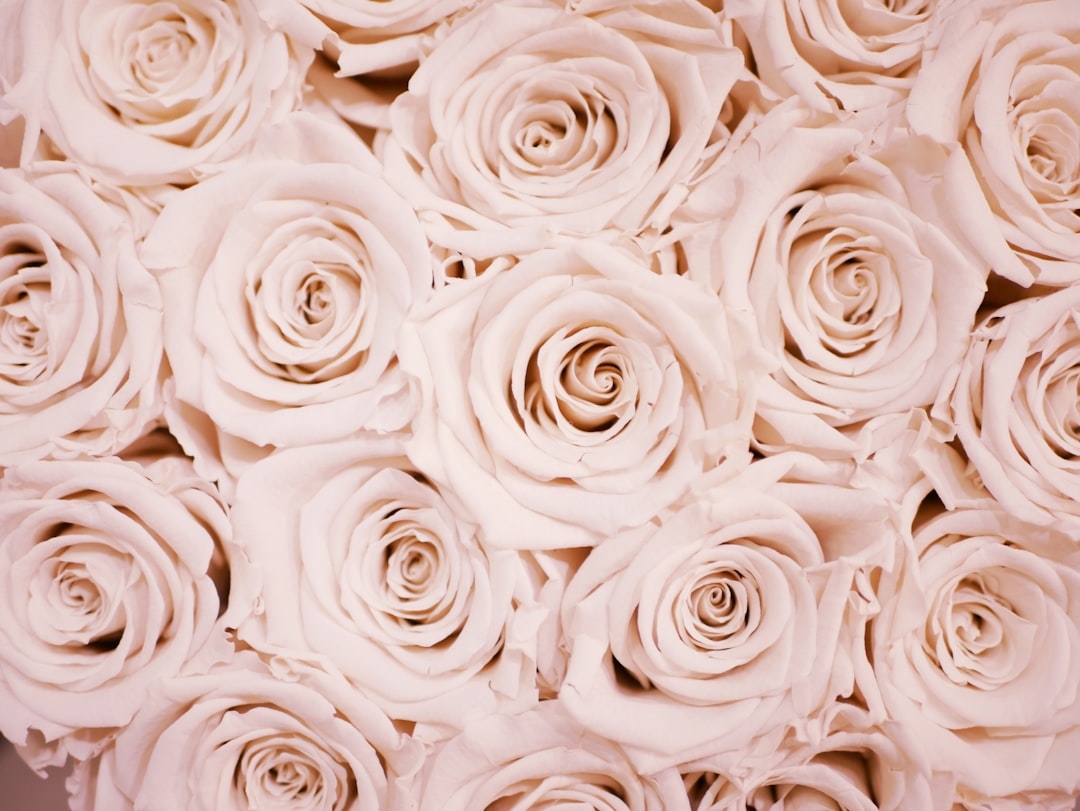
The classic long-stemmed rose. High, centered blooms, straight stems, clean silhouette. This is the rose most people picture when they hear “rose bouquet.” Hybrid teas are available year-round, consistent in quality, and the most widely sourced variety for delivery. They make up the core inventory at most quality florists, including FlowersCNJ.
Garden Roses (David Austin and Similar)
Fuller, more cup-shaped blooms with layered petals and a more organic silhouette. A garden rose is visually equivalent to roughly 1.5–2 hybrid tea roses in terms of visual mass — which means a 12-stem garden rose bouquet can look as substantial as an 18-stem hybrid tea arrangement. They’re more expensive (typically $3–$8 more per stem), more seasonal, and carry a romantic, lush aesthetic that hybrid teas don’t match.
Spray Roses
Multiple small blooms per stem. A single spray rose stem might carry 5–8 individual blooms, which dramatically changes the visual density of a bouquet. Spray roses are often used as filler or accent in mixed arrangements, but a full spray-rose bouquet is a distinct and beautiful product — it looks abundant at lower stem counts than single-bloom varieties.
The Odd vs. Even Number Question
In some European and Eastern European traditions, even numbers of flowers are associated with funerals or mourning, making odd numbers preferable for celebratory gifts. In American floral culture, this distinction is not widely observed — a dozen (12, even) is the most popular gifting number. If you’re sending flowers to someone with Eastern European heritage, however, it’s worth being aware of the tradition and opting for 11, 13, or 25 stems rather than 12 or 24.
Seasonal Availability and Its Effect on Stem Count Expectations
Valentine’s Day and Supply Constraints
The week before February 14 is the single highest-demand period for cut roses in the U.S. Supply chains are stretched, specialty varieties sell out weeks in advance, and freshness can drop slightly for orders placed in the final days before the holiday. If you have a specific variety in mind for a Valentine’s Day bouquet, communicate it to your florist in January.
Standard red hybrid teas are available in enormous volume through February — Colombian and Ecuadorian growers ramp production specifically for this period — but early ordering (5–7 days before February 14) means your roses travel through less congested supply chains and arrive fresher.
Late Summer and Fall: The Hidden Opportunity
Late summer (July–August) is an excellent time to order roses. Demand drops significantly after Mother’s Day and before the fall holiday season, which means better pricing, higher availability of premium varieties, and more florist attention per order. Buyers who choose their occasions thoughtfully — a “just because” bouquet in August — often get better product at lower prices than they would for the same order in February.
DIY Bouquet Assembly: When and How It Makes Sense
Buying Wholesale
Wholesale flower markets sell roses in bunches of 25 stems, typically priced at $25–$45 per bunch depending on variety and season. For a DIY 24-stem bouquet, one wholesale bunch plus supporting greenery from a grocery store or farmers market is cost-effective: total materials around $35–$55, versus $130–$185 retail. The work investment is 1–2 hours.
Conditioning Tips
- Cut stems at a 45-degree angle under running water, 1–2 inches from the bottom.
- Remove all leaves that would sit below the waterline — submerged leaves rot and contaminate the water.
- Hydrate roses for 12–24 hours in clean water with flower food before arranging.
- Assemble from the center outward — focal roses first, then supporting blooms and greenery.
- Bind stems with floral tape about 1/3 from the bottom, then wrap in kraft paper.
When to Skip DIY
For high-stakes moments — proposals, major anniversaries, events that will be photographed — professional arrangement almost always produces better results. The combination of sourcing quality, conditioning expertise, and presentation skill that a specialist florist brings is difficult to replicate. That’s not a knock on DIY; it’s an honest assessment of where the gap is largest.
Cost Breakdown: What You’re Actually Paying For
- 6 stems: $35–$55
- 12 stems: $60–$95
- 15–18 stems: $85–$130
- 24 stems: $120–$180
- 36 stems: $160–$250
- 50–100 stems: $250–$600+
These ranges reflect 2026 pricing for quality florists using fresh, properly sourced stems. Grocery store pricing runs lower but reflects the difference in sourcing and vase life. An order for a bouquet of roses delivery through FlowersCNJ falls within these ranges with the sourcing quality to match.
FlowersCNJ’s Approach to Bouquet Sizing
FlowersCNJ has handled custom orders ranging from 6-stem posies to 100-stem luxury deliveries for clients across central New Jersey. Their sourcing model prioritizes freshness, which means every stem count reflects what’s at peak quality on that day. For buyers uncertain about size, their team treats the conversation as a design consultation — what’s the occasion, what’s the recipient’s space like, what feeling do you want to create? Those answers shape the recommendation in ways that a pricing dropdown can’t capture.
For buyers in the area, flower delivery Manalapan NJ through FlowersCNJ covers a broad service area with same-day capability — practical for both planned occasions and last-minute decisions.
Common Mistakes When Ordering Rose Bouquets
- Ordering by price tier alone without specifying stem count. “Premium” can mean 12 premium stems or 24 standard ones — always verify the actual quantity.
- Ignoring the recipient’s living situation. A 100-stem arrangement sent to a studio apartment creates logistics, not joy. Match scale to space.
- Waiting until the last day for peak-season orders. Valentine’s Day and Mother’s Day orders placed less than 48 hours out risk compromised freshness or limited variety options.
- Assuming bigger is always better. A 12-stem garden rose bouquet from a quality florist often lands harder than a 24-stem arrangement of mediocre hybrid teas. Variety and freshness matter as much as count.
- Skipping the message card. Small addition, significant emotional weight. Never skip it.
FAQ: Rose Bouquet Size Questions Answered
What is considered a standard bouquet of roses?
In American floral retail, the standard is 12 stems. It’s the most commonly ordered size for romantic occasions and general gifting — substantial enough to look impressive in a vase and appropriate for most occasions without crossing into grand gesture territory.
Is 12 roses enough for a romantic gesture?
Yes. Twelve roses is the recognized standard for romantic gifting. For significant milestones like proposals or major anniversaries, 18–24+ stems more precisely reflects the weight of the occasion — but for general romantic gestures, a fresh, well-arranged dozen is entirely appropriate.
How many roses are in a luxury bouquet?
Luxury bouquets typically start at 36 stems and go up to 100 or more. At this level, variety matters as much as quantity — garden roses, premium Ecuadorian long-stems, and specialty varieties are common. Some luxury offerings use fewer stems of ultra-premium varieties rather than large quantities of standard roses.
What’s the difference between a bouquet and a floral arrangement?
A bouquet is hand-tied and designed to be held or placed in the recipient’s own vase. A floral arrangement is assembled into a vessel using foam or a grid — stationary and display-ready. Both can contain the same number of roses but offer different presentation experiences.
How do I know what size bouquet to order?
Match size to occasion: 6–10 stems for casual gifting, 12 for standard romantic occasions, 15–24 for significant milestones, 36+ for proposals or major statements. When uncertain, communicate the occasion to your florist — specialists can advise based on context in ways ordering forms can’t.
Choosing the right number of roses is choosing the right register for a moment. Too few can undersell what you feel; too many can overwhelm what you mean. The sweet spot lives in understanding what each size says — and then saying it deliberately.