Contents:
- What is Companion Planting for Cutting Gardens? (Quick Answer)
- Why Companion Planting Works: Science Meets Aesthetics
- Biodiversity in the Beds
- More Than Just Functional
- Best Companion Planting Pairings for US Cutting Gardens
- Zinnia and Basil: The Dynamic Duo
- Roses with Garlic or Chives
- Dahlias and Marigolds
- Planting for Vase Life: Companions That Last
- Herbs as Hidden Workhorses
- Foliage Fillers
- Attracting Pollinators: Natural Pest Control and Bigger Blooms
- Top Pollinator Attractors
- Companion Planting for Disease and Pest Management
- Living Mulch and Trap Crops
- Spacing and Airflow
- How to Design a Companion-Planted Cutting Garden
- Start with a Layout Sketch
- Plant in Clusters, Not Rows
- Rotate Annually
- Short List: Top Easy Companion Combos for Beginners
- Common Mistakes and What to Avoid
- Overcrowding with Vigorous Companions
- Poor Timing
- Ignoring Shade vs. Sun Needs
- FAQ: Companion Planting for Cutting Gardens
- What flowers grow well together in a cutting garden?
- Can you plant vegetables with flowers for cutting?
- How close should companion plants be planted?
- What are the best flowers for long vase life from a cutting garden?
- Does companion planting really reduce pests in flower gardens?
- Ready to Plan Your Next Bed? Try a Test Plot
Companion Planting for Cutting Gardens
A single row of zinnias is nice–until you realize how much more you could be harvesting if each stem grew alongside a supportive neighbor. Companion planting can supercharge your cutting garden, with healthier flowers, fewer pests, and bouquets that practically arrange themselves. Some pairings are classics; others will make you reconsider your plant shopping list.
What is Companion Planting for Cutting Gardens? (Quick Answer)
Companion planting for cutting gardens means growing flowering and foliage plants together in ways that benefit their health, maximize harvests, and boost vase life. This technique uses plant pairings to:
- Deter pests
- Enhance growth or flower production
- Create natural supports
- Improve soil and pollinator activity
Examples: Planting cosmos with basil to attract pollinators, tucking dill around roses to repel aphids, or pairing tall sunflowers with climbing sweet peas for support. The right matches lead to more productive, resilient, and beautiful harvests for armfuls of cut flowers.
Why Companion Planting Works: Science Meets Aesthetics
Not just old wives’ tales–there’s real horticultural science behind companion planting. Dr. Lila Morrison, PhD in Plant Pathology at the University of Wisconsin-Madison, points out: “Interplanting species with different root structures and blooming schedules can reduce disease transmission by up to 50% and attract a broader range of pollinators.”
Biodiversity in the Beds
- Pest Reduction: Marigolds release thiophenes into the soil, deterring root-knot nematodes and aphids. Their strong scent also confuses Japanese beetles, which can devastate peonies and dahlias.
- Disease Control: Spacing sun-lovers like snapdragons among airier plants such as orlaya improves air circulation, lowering powdery mildew risk.
- Natural Support: Sweet peas will climb sunflowers or amaranth, reducing the need for trellises.
More Than Just Functional
A mixed planting isn’t just eco-smart. The visual impact of spiky blue ageratum nestled with feathery cosmos, or deep burgundy amaranth rising through clouds of Queen Anne’s lace, can’t be matched by monocultures.
“My mixed beds look like wild bouquets before I even pick a single stem.”
– Jamie Liu, owner of Petal & Stem Flower Farm, Washington
Best Companion Planting Pairings for US Cutting Gardens
Certain combos truly shine in American gardens–whether you’re growing in heat-soaked Texas or Vermont’s rainy hills. Here’s a quick-reference table for some tried-and-true pairs:
| Main Flower | Companion Plant | Why It Works |
|---|---|---|
| Zinnia | Basil | Boosts pollinators, deters thrips |
| Roses | Garlic, Chives | Repels blackspot and aphids |
| Dahlias | Marigolds | Nematode & beetle control |
| Sunflower | Sweet Pea | Natural trellis, saves space |
| Cosmos | Dill | Attracts beneficial insects, supports stems |
| Snapdragons | Alyssum | Groundcover, deters ground pests |
| Larkspur | Nigella | Both like cool temps, staggered bloom times |
Zinnia and Basil: The Dynamic Duo
Basil’s clove-scented leaves repel thrips–the tiny pests that can deform zinnia petals. Plus, both love sun and are cut-and-come-again, meaning more frequent harvests.
Roses with Garlic or Chives
Strong-scented alliums confuse aphid scouts and can help prevent blackspot fungus from taking hold on rose leaves. Chive blossoms even make a whimsical addition to rustic bouquets.
Dahlias and Marigolds
This is the gold standard for nematode prevention–a big concern in sandy or clay-heavy US soils. Marigolds also keep beetles off the plump dahlia buds.
Planting for Vase Life: Companions That Last
What’s the point of all those pretty stems if they wilt on Day 2? Certain foliage and filler plants not only help in the garden, but actually make your bouquets last longer.
Herbs as Hidden Workhorses
Herbs like mint, rosemary, and sage contain antibacterial oils. Arranging them with flowers (or simply planting near your main crops) can reduce bacterial growth in vase water, extending the life of cut flowers by up to three days according to a 2023 survey by the Society of American Florists.
- Mint: Grows vigorously at the base of snapdragons and larkspur.
- Rosemary: Likes similar soil and sun as sunflowers, keeping their stems strong and upright.
- Yarrow: Both a pollinator magnet and a bouquet preservative.
Foliage Fillers
Amaranth, bupleurum, and dusty miller add fullness to arrangements, but they also shade the soil, keeping roots cool and moisture up–a bonus in Southern and Californian gardens prone to drought.
Attracting Pollinators: Natural Pest Control and Bigger Blooms
No pollinators, no flowers. Interplanting with species that bees, butterflies, and beneficial wasps love increases yields and reduces the need for pesticides.
Top Pollinator Attractors
- Cosmos: Their open blooms are bee highways.
- Alyssum: Runs low, attracts hoverflies (whose larvae eat aphids).
- Phacelia: Known as “bee’s delight,” it’s a US wildflower that mixes well among taller stems.
A 2024 study from Colorado State University showed that plots interplanted with alyssum and phacelia had 45% more pollinator visits and 30% fewer spider mite outbreaks compared to single-species beds.
<blockquote>
“Interplanting isn’t extra work–it’s just smarter work. I’ve cut my pesticide use to near zero since mixing annuals like calendula and nasturtium into my flower rows.”
– Rebecca Thomas, Master Gardener, Georgia
</blockquote>
Companion Planting for Disease and Pest Management
Monocultures are like all-you-can-eat buffets for insects and fungi. Mixed plantings disrupt pest cycles and support healthy soil.
Living Mulch and Trap Crops
- Clover sown between flower rows fixes nitrogen and suppresses weeds.
- Nasturtium draws aphids away from roses, acting as a sacrificial crop.
- Calendula attracts beneficial nematodes and predatory insects.
Field trials by the University of California Davis in 2025 found that snapdragons interplanted with alyssum had 60% less root rot compared to blocks of only snapdragons.
Spacing and Airflow
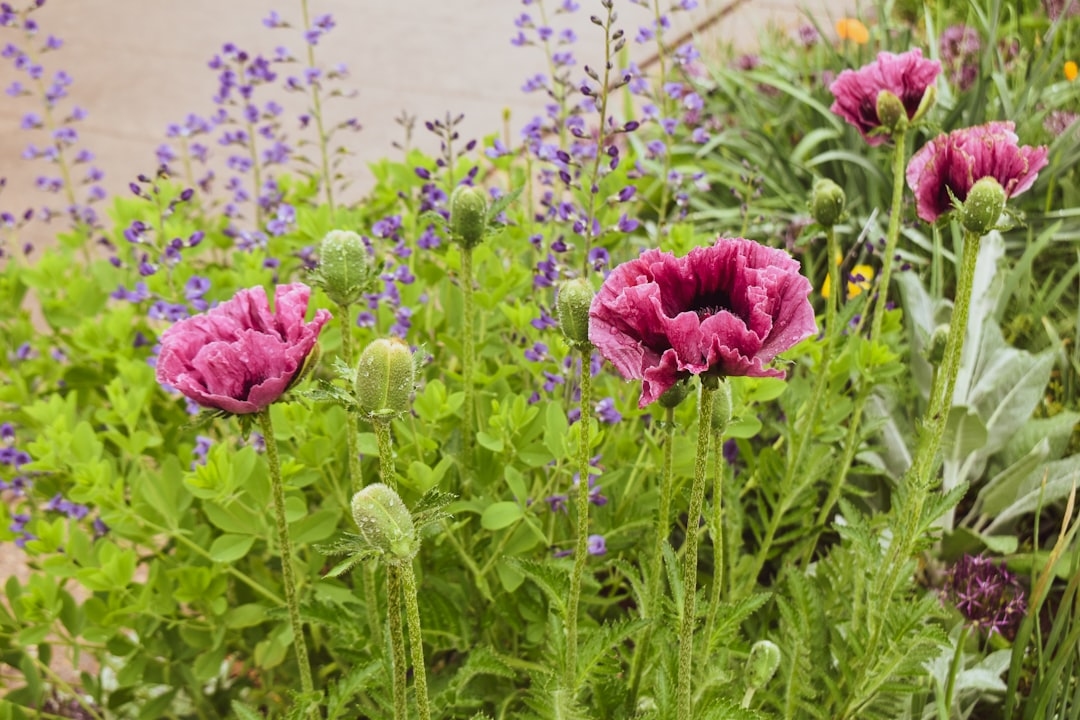
Overcrowding encourages fungal diseases. Layering tall, upright sunflowers with cascading amaranth or trailing nasturtium increases light penetration and air movement–all with zero extra cost.
How to Design a Companion-Planted Cutting Garden
You don’t need a degree in landscape architecture to make this work. A few guiding principles go a long way.
Start with a Layout Sketch
Even a rough map on paper can help. Group plants by height and bloom time, leaving at least 6-12 inches between different species to allow air movement.
Plant in Clusters, Not Rows
Mixing up the layout–rather than planting each flower in a straight line–confuses pests and creates natural “mini-ecosystems.”
Rotate Annually
Switch up plant groupings each season. Never place the same species in the same spot two years running–this breaks pest and disease cycles.
Short List: Top Easy Companion Combos for Beginners
- Sunflower + Sweet pea
- Zinnia + Basil
- Dahlia + Marigold
- Cosmos + Dill
- Snapdragon + Alyssum
Common Mistakes and What to Avoid
Even experienced gardeners get tripped up by enthusiasm or tradition.
Overcrowding with Vigorous Companions
Mint will eat your garden if not contained. Plant aggressive spreaders like mint, oregano, and tansy in pots sunk into the ground.
Poor Timing
Some companions, like larkspur and nigella, like cool soil, while zinnias and celosias want true summer heat. Pairing incompatible bloomers leads to wasted space and missed harvests.
Ignoring Shade vs. Sun Needs
Pair full-sun flowers only with other sun-lovers. Mixing shade plants in sunny beds leads to leggy, weak stems.
FAQ: Companion Planting for Cutting Gardens
What flowers grow well together in a cutting garden?
In US cutting gardens, flowers like zinnias, cosmos, sunflowers, dahlias, and snapdragons pair well with companion plants such as basil, dill, marigolds, sweet peas, and alyssum. These combinations support each other’s growth, deter pests, and provide filler and foliage for bouquets.
Can you plant vegetables with flowers for cutting?
Yes–many vegetables double as effective companion plants. For example, garlic and chives deter pests from roses, while basil boosts pollinators for zinnias. Just ensure spacing and sunlight needs match, and harvest timing won’t clash.
How close should companion plants be planted?
Most companion plants do best when spaced 6-12 inches apart, allowing for airflow and root room. For climbing companions, plant within 3-6 inches of their “host” for best support.
What are the best flowers for long vase life from a cutting garden?
Zinnias, lisianthus, snapdragons, and sunflowers are top picks for US growers thanks to their sturdy stems and vase life of 7-14 days. Companion planting with herbs like mint or rosemary can extend freshness.
Does companion planting really reduce pests in flower gardens?
Field studies and practical experience show companion planting can reduce pest outbreaks by 30-60%, especially when using alliums with roses, marigolds with dahlias, and alyssum among snapdragons. However, results can vary by region and pest species.
Ready to Plan Your Next Bed? Try a Test Plot
Pick just one 4×8-foot section of your garden this season and shake up your routine: interplant basil among your zinnias, or marigolds around those prize dahlias. Keep notes. Track pest pressure, vase life, and how the bouquets look. You might find your arrangements are not just healthier but downright irresistible. In 2026, US-grown flowers are fresher, more sustainable, and–in a companion-planted bed–simply more fun.