Contents:
- What Role Do Flowers Play in Islamic Art and Culture? (Featured Snippet)
- Paradise in Full Bloom: Symbolism of Flowers
- Gardens of Heaven, Here on Earth
- The Artistry of Islamic Florals
- Geometry, Stylization, and Natural Forms
- From Gardens to Homes: Historical and Modern Floristry
- Islamic Gardens: Where Design Meets Devotion
- Bouquets in Modern Practice
- Flowers in Islamic Festivals and Daily Life
- Celebrations
- Life Events
- Everyday Life
- The Influence of Islamic Floral Aesthetics in Western Design
- Collaboration and Cultural Exchange
- FAQ about Flowers in Islamic Art and Culture
- How are flowers represented in Islamic art?
- What is the significance of flowers in Islamic culture?
- Are there restrictions on depicting flowers in Islamic art?
- Which flowers are most important in Islamic tradition?
- How do American Muslims incorporate floral traditions today?
- Want to Bring Islamic Floral Beauty into Your Space?
Flowers in Islamic Art and Culture
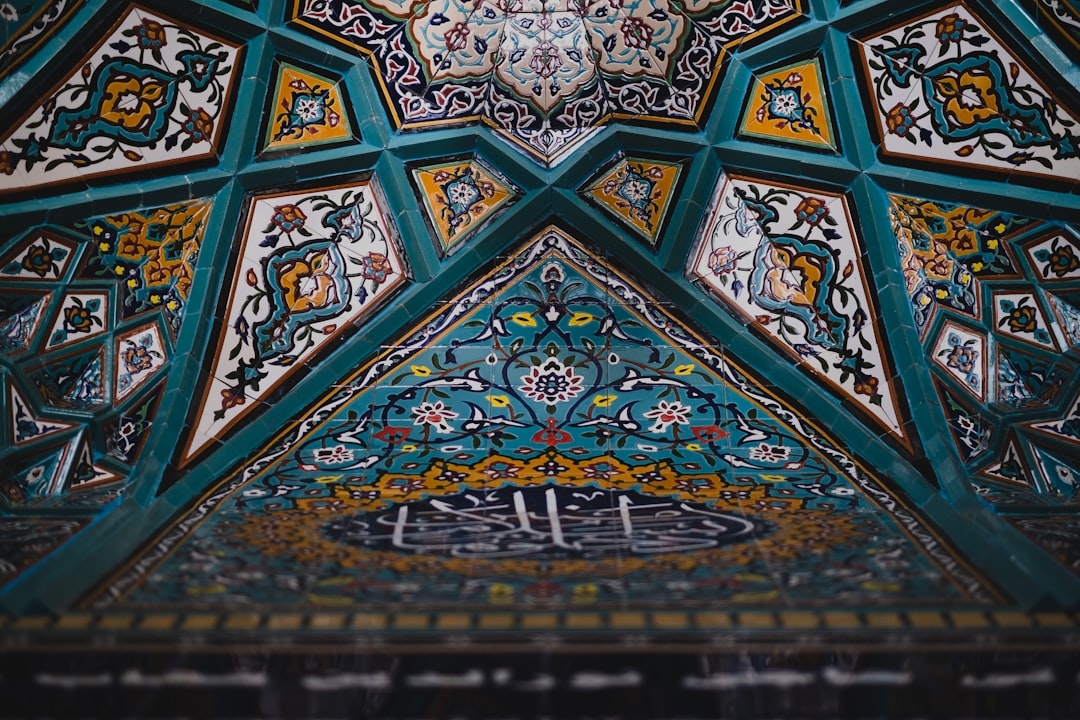
Step into the Blue Mosque’s vast courtyard. Whether in Istanbul or a local replica in Michigan, your eye is drawn to the tiles: brilliant lapis, delicate greens, poppy reds. Everywhere, stylized tulips twirl beside lilies and roses in precise, mesmerizing patterns. This isn’t just pretty decoration–it’s a centuries-old language where every petal and vine speaks volumes about faith, art, and daily life.
What Role Do Flowers Play in Islamic Art and Culture? (Featured Snippet)
Flowers in Islamic art and culture serve as powerful symbols of paradise, spiritual beauty, and nature’s abundance. Flower motifs–especially tulips, roses, and carnations–appear widely in mosque architecture, illuminated manuscripts, textiles, and daily life objects. These motifs reflect religious values by representing the garden of paradise (Jannah), celebrate Allah’s creative power, and influence everything from traditional floristry to contemporary home décor in Muslim communities around the world–including the US.
Paradise in Full Bloom: Symbolism of Flowers
Gardens of Heaven, Here on Earth
The Qur’an mentions lush gardens more than 120 times, with imagery that invokes running water, shade, fruit, and flowers. “For many Muslims, flowers are the clearest reminder of paradise’s promise–a beauty both fleeting and eternal,” explains Dr. Layla Rashid, Islamic art historian at UC Berkeley.
Some key symbolic flowers in Islamic culture:
- Roses: Stand for divine love and the Prophet Muhammad.
- Tulips: Symbolize perfect beauty and humility; in Turkish, the word for tulip (“lâle”) mirrors the letters of Allah.
- Carnations: Represent health and healing, frequent on Ottoman kaftans.
- Lotus & Lily: Evoke purity and spiritual rebirth.
“A mosque’s floral tiles are not mere ornament. They are windows into paradise, blooming under your feet.”
– Dr. Layla Rashid, UC Berkeley
Flowers remain a part of everyday symbolism too–given at Eid, weddings, and funerals across the US Muslim community, echoing generations-long traditions.
The Artistry of Islamic Florals
Geometry, Stylization, and Natural Forms
Visit the Metropolitan Museum of Art in New York, and you’ll see an Iznik tile panel from 16th-century Turkey where carnations and hyacinths coil in repeating rhythms. Unlike European art that often chases realism, Islamic artists embraced stylization, abstraction, and geometry. Why? Islam’s iconoclastic tendencies discouraged depicting living beings in religious contexts, so artists found endless possibility in the shapes and repetition of flowers.
Key Flourishing Techniques
- Arabesque: Repeating floral scrolls, combining vines, leaves, and blooms into infinite, symmetrical patterns.
- Illumination: Gold-adorned floral borders in Qur’ans and poetry books.
- Textiles and Ceramics: From luxurious Persian carpets (2026 pricing: high-end pieces fetching $2,000-$20,000 at US auctions) to Turkish Iznik ceramics, florals are everywhere.
Comparison Table: Islamic Floral Motifs Across Art Forms
| Art Form | Common Flowers | Notable Example (US Collection) | Typical Techniques |
|---|---|---|---|
| Mosque Tiles | Tulip, Lily | Blue Mosque Replica, Dearborn, MI | Glazed ceramics, arabesque |
| Manuscripts | Rose, Carnation | Chester Beatty Qur’an, NY Met | Gilding, watercolor |
| Textiles | Lotus, Vine | 16th-c. Persian Carpet, LACMA | Knotting, silk embroidery |
| Metalwork | Hyacinth, Star | Ottoman Ewer, Smithsonian | Hammered inlay, engraving |
From Gardens to Homes: Historical and Modern Floristry
Islamic Gardens: Where Design Meets Devotion
The Persian “chahar bagh” design (fourfold garden) still influences modern landscape architecture. Walk through the Shah Abbas-inspired gardens in Dallas or Los Angeles–these layouts use symmetrical beds, water features, and seasonal blooms to mirror the paradise described in scripture.
Bouquets in Modern Practice
Islamic tradition doesn’t separate art from daily life. In 2026, you’ll find US-based Muslim florists–like Zaynab’s Blooms in Chicago–offering Eid and Ramadan arrangements using hyacinths, tulips, and orange blossom. These bouquets often blend Islamic symbolism with Western favorites like peonies and sunflowers.
Current US pricing for such specialty bouquets ranges from $65 to $200–a bit higher than mainstream counterparts, reflecting both the craftsmanship and imported blooms.
US Flower Delivery Services Catering to Islamic Celebrations
- UrbanStems: Seasonal Eid and Ramadan collections, nationwide delivery.
- Floom: Specialty Islamic designs; local partnerships in NYC, LA, Houston.
- Zaynab’s Blooms: Midwest-focused, halal-certified arrangements.
Flowers in Islamic Festivals and Daily Life
Celebrations
Flowers have a starring role during Ramadan, Eid al-Fitr, and Eid al-Adha. In 2026, over 3.5 million American Muslims (per Pew Research) celebrate with vibrant floral décor at home and in mosques, choosing arrangements symbolic of purity, joy, and remembrance.
Life Events
- Weddings: Moroccan bridal henna events use orange blossoms for fragrance and luck.
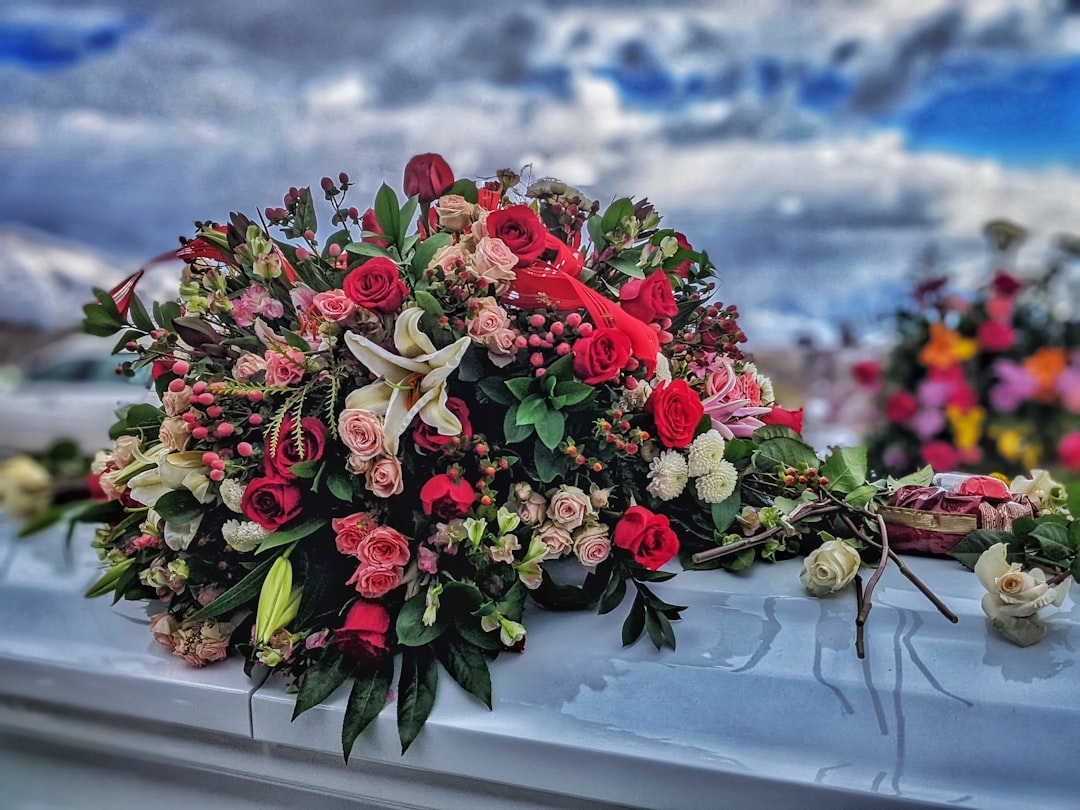
- Funerals: White lilies and roses signal peace and respect–often arranged in crescent shapes instead of Christian crosses.
Everyday Life
Fresh flowers and floral patterns are woven into clothing, prayer rugs, and home textiles sold at US retailers like Target and Crate & Barrel, especially ahead of religious holidays.
The Influence of Islamic Floral Aesthetics in Western Design
Walk down the aisle at Anthropologie or browse Instagram: you’ll spot “Ottoman tulip” prints, Moroccan tile motifs, and Persian rug patterns in everything from wallpaper to serving trays.
Collaboration and Cultural Exchange
Major US brands have released “Ramadan home” collections since 2024, featuring geometric and floral designs. According to Leila Marshall, Senior Buyer at Macy’s, “Demand for Islamic-inspired florals grows by 18% year over year, especially ahead of Eid and wedding season.”
An interest in Islamic garden layouts has even shaped public spaces: the Brooklyn Botanic Garden’s Islamic Garden (opened 2023) now draws over 500,000 visitors annually.
FAQ about Flowers in Islamic Art and Culture
How are flowers represented in Islamic art?
Flowers in Islamic art typically appear as stylized, repeating motifs–tulips, roses, carnations, and lilies–used in mosque decorations, manuscript illumination, carpets, tiles, and ceramics. Their forms are abstracted and combined with geometric patterns, reflecting both artistic and spiritual values.
What is the significance of flowers in Islamic culture?
Flowers symbolize paradise, divine beauty, and the blessings of nature in Islamic culture. They play an essential role in religious celebrations, art, architecture, and daily life, serving as reminders of spiritual ideals and the hope of Jannah (paradise).
Are there restrictions on depicting flowers in Islamic art?
Islamic art has traditionally avoided realistic depictions of living beings (people, animals) in religious contexts, but flowers and plants are almost always permitted. Artists stylize and repeat floral motifs both for beauty and to reflect the infinity of God’s creation.
Which flowers are most important in Islamic tradition?
Tulips, roses, carnations, lilies, and particularly the lotus hold special importance, each carrying unique symbolism. Tulips are closely linked to Sufi poetry and Ottoman identity, while roses represent the Prophet Muhammad and divine love.
How do American Muslims incorporate floral traditions today?
American Muslims use floral motifs in home décor, holiday celebrations, weddings, and funerals. US-based florists now offer arrangements specifically for Islamic occasions, and major retailers curate Islamic-inspired collections with both fresh flowers and floral patterns.
Want to Bring Islamic Floral Beauty into Your Space?
Start small: choose a geometric floral print for your next area rug, or order a bouquet with tulips and roses for Eid. For a family project, try designing a mini “chahar bagh” style garden using native US plants–blending American practicality with centuries-old Islamic inspiration. As these timeless motifs continue to thrive in art, design, and daily life, your appreciation grows right along with them.