Contents:
- What Is High Tunnel Flower Production? (Quick Answer)
- Why Choose High Tunnels for Flower Farming?
- Season Extension
- Quality and Yield
- Crop Reliability
- Best Flowers to Grow in High Tunnels
- Top High Tunnel Flower Varieties
- Setting Up Your High Tunnel for Cut Flowers
- Tunnel Structure: Sizing and Materials
- Soil Prep and Bed Layout
- Crop Planning and Succession in High Tunnels
- When to Plant: Key Schedules
- Succession for Continuous Blooms
- Example Calendar: Zone 6B (St. Louis, MO)
- Pest and Disease Management Inside High Tunnels
- Common Challenges
- Integrated Pest Management (IPM) Strategies
- Costs, Yields, and Profit Potential for US Growers
- Sample Budget: First-Year Costs (30’x96′ Tunnel, Midwest US)
- Potential Revenue (2026 Season, Mixed Flowers)
- Selling High Tunnel Flowers: Markets and Strategies
- Where to Sell
- Price Comparison Table (2026 estimates)
- FAQ
- How does high tunnel flower production differ from greenhouse growing?
- What are the best high tunnel flowers for beginners?
- How much does it cost to install a high tunnel for flowers?
- How do you heat a high tunnel for winter flowers?
- What’s the ROI on high tunnel cut flower production?
- Get Growing: Next Steps for Your First High Tunnel Flowers
High Tunnel Flower Production Guide
Picture this: fresh-cut lisianthus, ranunculus, and dahlias blooming perfectly in early April–far ahead of anything outside. That’s the difference a high tunnel makes. Across the US, from Vermont to California, growers are turning to high tunnels for year-round specialty cut flowers, squeezing more value from every square foot. Demand for local blooms is up 35% since 2019, according to the American Specialty Cut Flower Growers Association. With a high tunnel, even small-scale producers can tap into weddings, farmer’s markets, and direct-to-consumer bouquets nearly twelve months a year.
What Is High Tunnel Flower Production? (Quick Answer)
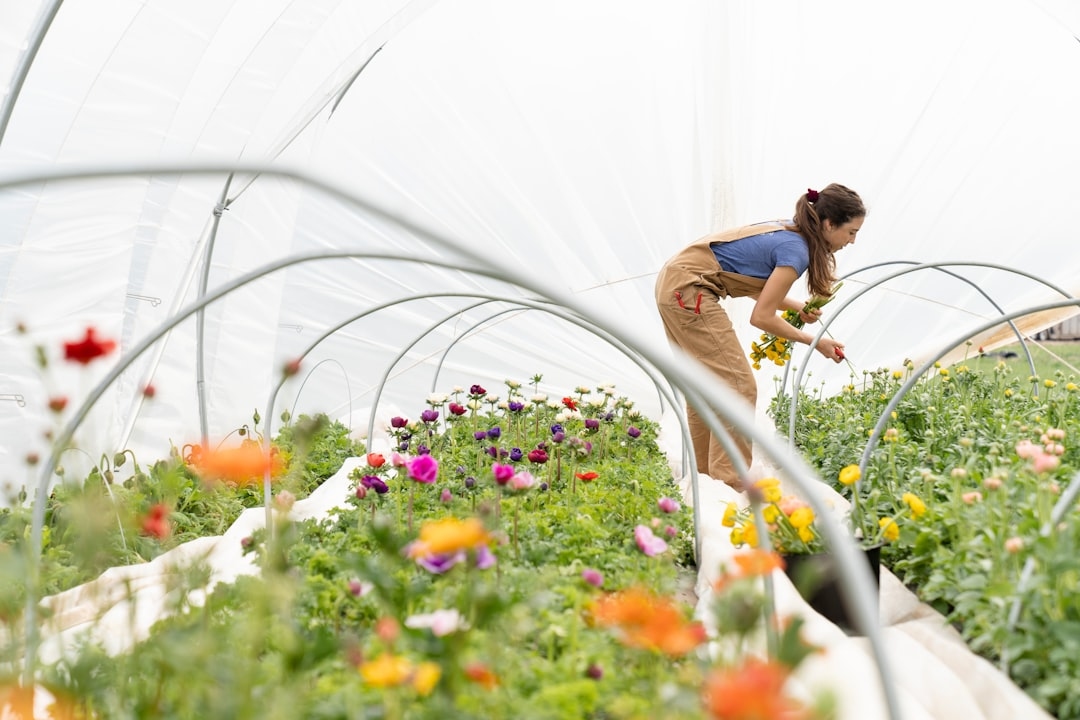
High tunnel flower production uses unheated greenhouse-like structures–called high tunnels or hoop houses–to extend the growing season for cut flowers. By sheltering plants from frost, wind, and heavy rain, high tunnels allow earlier spring and later fall blooms, protect delicate varieties, and produce higher yields compared to open-field cultivation. These systems typically use passive solar heating, require manual or roll-up ventilation, and can increase profits for both hobby and commercial florists.
Why Choose High Tunnels for Flower Farming?
Weather isn’t kind to flowers. A single late frost can wipe out anemones. Heavy June rains knock petals off peonies just when florists need them most. High tunnels change that math.
Season Extension
High tunnel-grown flowers hit the market six to eight weeks before their field-grown counterparts. In places like upstate New York, Amy Lin, owner of Lin’s Blossoms, reports harvesting her first snapdragons in early April–while outdoor soil is still icy. For popular crops like ranunculus and tulips, that kind of head start often means $2-$3 more per stem wholesale.
Quality and Yield
Inside a tunnel, plants are healthier: fewer pests, less disease, straighter stems. According to Dr. Theresa Kline, horticulturist at Iowa State University, high tunnel lisianthus can yield up to 30% more usable stems per square foot than field-grown crops, with less pesticide use.
Crop Reliability
Rain and wind wreak havoc on delicate flowers. Under cover, even tricky varieties like campanula, stock, and sweet peas can be grown for event florists who demand perfection. High tunnels also let growers schedule continuous waves of blooms for subscription bouquets or CSA shares.
Best Flowers to Grow in High Tunnels
Not every bloom thrives under cover. The winners: cool-season annuals, heat-sensitive perennials, and high-value stems with long harvest windows.
Top High Tunnel Flower Varieties
- Ranunculus: Blooms in March-May in the South; April-June in the North. Wholesale: $1-$2.50/stem.
- Lisianthus: Tunnels allow earlier and longer harvests. Premium florist demand.
- Anemone: Vulnerable to cold snaps outside; tunnels bring out vivid colors and reduce botrytis.
- Snapdragon: Straighter stems, cleaner blooms inside tunnels; excellent for early bouquets.
- Stock (Matthiola): Prefers cool, humid environment; yields increase 20% in tunnels vs. field.
- Dahlia: Grows larger, earlier, and with reduced pest pressure under cover, especially in humid regions.
- Sweet Peas: Sensitive to rain and wind; tunnels boost germination and trellising ease.
“For the best ROI, focus on high-value, hard-to-import varieties. Event florists want the longest, cleanest stems–ranunculus, lisianthus, and anemones always top my list.”
–Michael Rivera, Floriculturist and owner of Riverbend Flowers, Denver, CO
Setting Up Your High Tunnel for Cut Flowers
Getting the structure right is half the battle. Size, plastic, and layout all impact your success.
Tunnel Structure: Sizing and Materials
Most commercial growers in the US opt for tunnels 30’x96′ or 20’x48′, which strike a balance between cost (~$6,000-$15,000 in 2026), efficiency, and ease of ventilation. Key elements:
- Frame: Galvanized steel (brands like Rimol Greenhouse Systems or GrowSpan)
- Plastic: 4 or 6 mil, UV-treated greenhouse film (replace every 4 years)
- End Walls: Polycarbonate or framed wood with doors for access
- Sidewalls: Manual or motorized roll-ups to manage summer heat
| Size | Typical Cost (2026 USD) | Best For |
|---|---|---|
| 12′ x 50′ | $4,000-$6,000 | Hobby, microfarm |
| 20′ x 48′ | $7,000-$9,500 | Mixed flower & veg, side business |
| 30′ x 96′ | $13,000-$18,000 | Small commercial, florists |
Soil Prep and Bed Layout
- Raised beds (12-18 inches) for drainage and warmth
- 4′ wide beds, 2′ paths for easy access
- Add 2-3” of compost yearly; test pH (aim for 6.2-6.8)
- Drip irrigation is a must–overhead watering encourages disease
A typical 30’x96′ tunnel fits 6-8 production beds, each hosting up to 600 ranunculus or 400 lisianthus plants.
Crop Planning and Succession in High Tunnels
Getting the calendar right is everything. High tunnels empower you to juggle multiple crops, but it takes planning.
When to Plant: Key Schedules
- Cool-season annuals: transplant October-November (South), February-March (North)
- Spring annuals: direct sow in January-February (covered North), September-October (South)
- Summer crops: follow spring harvests; plant zinnias, celosia, sunflowers in late spring
Succession for Continuous Blooms
Stagger planting in two-week intervals to keep bouquets full from March through November. It’s common to harvest up to three different crops in one tunnel each season: e.g., ranunculus → lisianthus → sunflowers.
Example Calendar: Zone 6B (St. Louis, MO)
| Flower | Transplant In | Harvest Window |
|---|---|---|
| Ranunculus | Late Jan | Mar-May |
| Lisianthus | April | June-August |
| Sunflowers | June (succession) | July-October |
Pest and Disease Management Inside High Tunnels
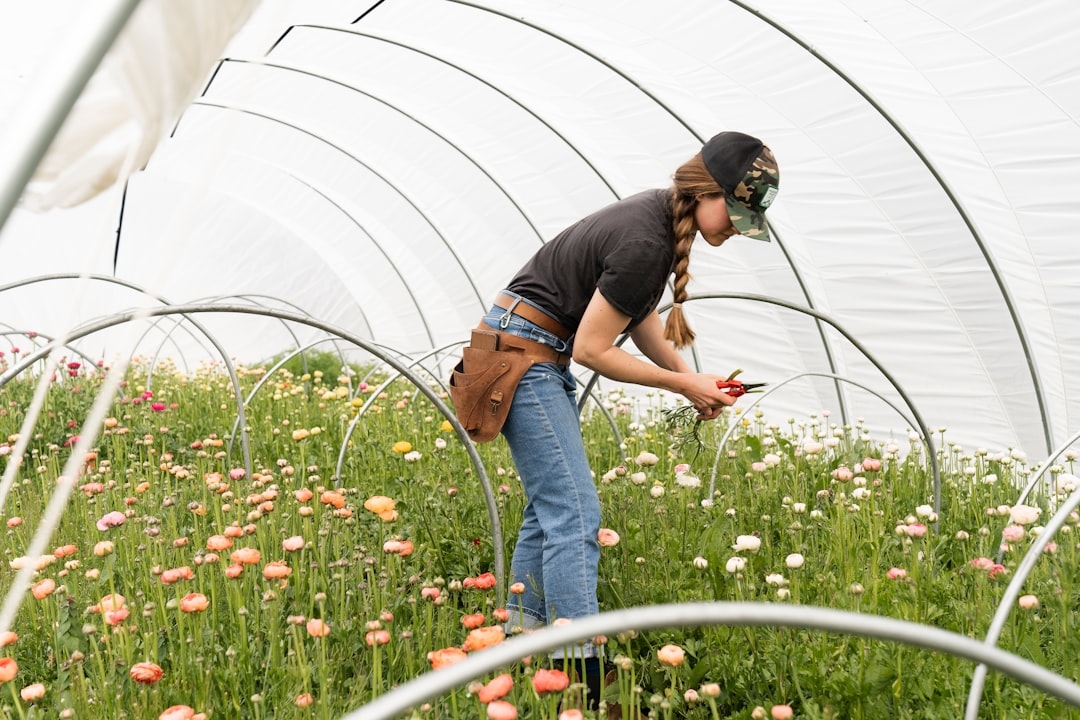
It’s not pest-proof–just pest-smart.
Common Challenges
- Aphids & Thrips: Can explode without rain to knock them off.
- Botrytis (gray mold): Especially on densely planted spring bulbs.
- Powdery Mildew: A risk in high-humidity, especially for zinnias and sweet peas.
Integrated Pest Management (IPM) Strategies
- Biocontrols: Ladybugs and lacewings shipped from Koppert, Biobest
- Sanitation: Remove all green waste, keep paths weed-free
- Ventilation: Roll up sides for air circulation; use horizontal airflow fans if needed
Dr. Susan Barnett, pest management extension specialist at Clemson University, notes, “We see up to 40% less powdery mildew in tunnels with consistent morning ventilation.”
Costs, Yields, and Profit Potential for US Growers
A high tunnel is an investment, but returns can be swift for cut flower growers–often within 2-3 seasons.
Sample Budget: First-Year Costs (30’x96′ Tunnel, Midwest US)
- Structure & installation: $15,000
- Soil prep & compost: $1,200
- Drip irrigation: $500
- Seedlings/bulbs: $1,000
- Misc (row cover, netting, tools): $800
Total: ~$18,500
Potential Revenue (2026 Season, Mixed Flowers)
Assume 2,000 marketable stems per tunnel per month, 5 months of production:
- 10,000 stems x $1.50 avg/wholesale = $15,000
- Direct market/specialty: $2.50-$4.00 per stem = $25,000-$40,000 revenue possible
Most full-time growers aim for $5-$7 per square foot gross income per season.
“In 2026, our tunnels gross $30K+ each on 1/20th of an acre–and we’re just two people. Nothing else on our farm comes close.”
–Jenna Patel, Owner, Blossom Grows Farm, Athens, GA
Selling High Tunnel Flowers: Markets and Strategies
High tunnel blooms are the first–and last–local flowers of the season. That’s marketing gold.
Where to Sell
- Florists: High-value, unusual varieties; sell direct (cold call, bring sample bouquets)
- Farmer’s Markets: Early spring and late fall flowers fetch top prices (10-30% premium)
- Online/Flower CSAs: Direct subscription sales via Shopify or Local Line
- Weddings & Events: Lisianthus, ranunculus, and dahlias are in huge demand April-June and September-October
Price Comparison Table (2026 estimates)
| Flower | High Tunnel (Direct) | Field-Grown (Peak) | Imported |
|---|---|---|---|
| Ranunculus | $2.50-$4.00/stem | $1.50-$2.00/stem | $0.65 |
| Lisianthus | $2.00-$3.00/stem | $1.00-$2.00/stem | $1.20 |
| Dahlia | $3.00-$5.00/stem | $2.00-$3.00/stem | N/A |
Florists like BloomNation, FTD, and local independents favor domestic, locally grown stems for color, vase life, and storytelling–especially around Mother’s Day and wedding season.
FAQ
How does high tunnel flower production differ from greenhouse growing?
High tunnels are typically unheated, passive solar structures. They extend the season and protect crops but don’t have the artificial climate control (heating/AC, automated venting) of greenhouses. Greenhouses enable true year-round production but at much higher upfront and operational costs.
What are the best high tunnel flowers for beginners?
Start with easy, forgiving annuals: snapdragons, stock, sweet peas, zinnias, and sunflowers. Ranunculus and lisianthus require more specialized timing and cool roots but deliver premium returns once mastered.
How much does it cost to install a high tunnel for flowers?
In 2026, a basic 20’x48′ high tunnel costs between $7,000 and $10,000 installed, not including site prep or irrigation. Larger tunnels (30’x96′) range from $13,000 to $18,000, depending on brand and features.
How do you heat a high tunnel for winter flowers?
Most growers do not heat their tunnels. However, in cold zones, many use floating row covers or low tunnels inside the main structure. Supplemental propane or electric heat is rare due to high cost.
What’s the ROI on high tunnel cut flower production?
Return on investment varies, but many US growers earn $15,000-$40,000 per tunnel per season, with payback in 2-3 years. Direct market sales and specialty varieties see the best margins.
Get Growing: Next Steps for Your First High Tunnel Flowers
Start small, learn fast, and embrace trial-and-error. Order a dozen ranunculus corms and some snapdragon plugs. Tour a local high tunnel flower farm–most are happy to share what works in your region. By next spring, you could be harvesting armfuls of blooms weeks ahead of your competition. In the world of floristry, a well-run high tunnel is the best shortcut to more beauty, more profit, and more resilience–rain or shine.