Contents:
- What’s The Ideal Vase Depth for Different Flowers? (Quick Answer)
- Why Vase Depth Changes Everything
- Hydration vs. Decay
- Stability and Shape
- Tall Vases for Statement Stems
- What’s “Tall” in Vases?
- Examples
- Pro Tip
- Medium Vase Depth for Classic Bouquets
- Rose Rules
- Consider Flower Food
- Shallow Vases for Short Stems & Wildflowers
- Perfect for
- Best Vase Depth
- Style Tips
- Special Cases: Tulips, Hydrangeas, Peonies
- Tulips
- Hydrangeas
- Peonies
- What Else Affects Flower Life & Arrangement?
- Pull-Quote
- FAQ: Vase Depth & Flower Care
- How deep should a vase be for long-stemmed roses?
- Do short flowers need a deep vase?
- What happens if my vase is too deep?
- Can I cut stems to fit my vase depth?
- Is it better to use a taller or shorter vase for mixed bouquets?
- Ready for the Perfect Arrangement? Try This
The Right Vase Depth for Different Flowers
A bouquet of white tulips in a tall glass vase looks effortlessly chic–until you notice those stems slumping sideways by dinnertime. It’s not just about matching your favorite blooms to any old vase. The depth, width, and even the material of your vase can make or break the life and look of your floral arrangement. According to a 2026 survey from the American Institute of Floral Designers, nearly 67% of home flower arrangers struggle with choosing the right vase for their flowers. No wonder so many centerpieces fall flat.
Let’s uncover how choosing the right vase depth keeps roses regal, tulips perky, and wildflowers wild yet tidy.
What’s The Ideal Vase Depth for Different Flowers? (Quick Answer)
Most standard cut flowers benefit from a vase that covers one-third to one-half of their stem length.
- Tall, heavy-headed flowers (like sunflowers, gladiolus): Vase should cover ½ the stem.
- Medium-length stems (roses, lilies): Vase should cover at least ⅓ of the stem.
- Short, delicate flowers (anemones, ranunculus): Use shallow vases that cover ¼ to ⅓ of the stem.
| Flower Type | Typical Stem Length | Recommended Vase Depth |
|---|---|---|
| Sunflowers, Gladiolus | 24-36 inches | 12-18 inches (½ stem length) |
| Roses, Lilies | 16-24 inches | 6-10 inches (⅓ stem length) |
| Tulips, Daffodils | 10-18 inches | 4-8 inches (⅓ to ½ stem) |
| Ranunculus, Anemone | 8-12 inches | 3-4 inches (¼ to ⅓ stem) |
| Mixed Wildflowers | Variable | 5-8 inches (balance by stem) |
“The secret to long-lasting blooms is supporting the right amount of stem in clean water. Too deep, and stems rot. Too shallow, and heads droop.”
–Maria Chen, Master Florist, Brooklyn Botanical Studio
Why Vase Depth Changes Everything
A vase isn’t just a holder–it’s support, hydration, and style for your flowers. Vase depth directly affects stem hydration, stability, and how your arrangement looks on the table. When the depth is wrong, flowers wilt faster and arrangements lose their shape.
Hydration vs. Decay
- Proper depth: Supports hydration by keeping enough stem in water without drowning leaves.
- Too deep: Leaves submerged in water rot, leading to bacterial growth. According to Dr. Peter Ballard (PhD in Plant Physiology, University of Georgia), microbial buildup can decrease vase life by 40%.
- Too shallow: Flower heads flop over from lack of support. Certain flowers, like tulips, keep growing even after cutting–shallow vases exaggerate their droop.
Stability and Shape
A too-shallow vase makes tall blooms flop. A too-deep vase swallows up short stems, hiding blooms below the rim. Vase depth is about finding a sweet spot that props up stems without overwhelming the arrangement.
Tall Vases for Statement Stems
Some flowers deserve to stand tall. Gladiolus, sunflowers, and delphiniums have long, sometimes hefty stems that need extra support.
What’s “Tall” in Vases?
- Anything over 12 inches qualifies as a tall vase; 14-18 inches is typical for large arrangements from brands like Crate & Barrel or CB2 (expect to pay $60-$120 for designer glass).
- Tall glass cylinders or conical shapes prevent stem tip-over.
- Heavier bases (weighted glass or ceramic) keep the vase upright, especially for dinner tables with traffic.
Examples
- Sunflowers: With stems often 24-36 inches long, a vase 12-18 inches deep is ideal.
- Gladiolus: Similar needs – the extra depth keeps the tall spike upright.
- Delphinium: Long stems, delicate blossoms–needs at least ⅓ of the stem submerged.
Pro Tip
Remove leaves below the waterline to prevent bacterial growth. A study published in Floral Management Journal found vases with submerged foliage saw bloom life drop by two days, on average.
Medium Vase Depth for Classic Bouquets
Most classic bouquets–think roses, lilies, chrysanthemums–come with 16-24 inch stems. The best vase depth here is 6-10 inches: deep enough for stability, shallow enough to let blooms shine.
Rose Rules
- Roses: For 20-inch roses, a vase with 7-9 inch water depth is a solid bet. According to florist Nicki Reed (Petals & Co, Chicago), “A third of the stem in water keeps roses upright and vibrant.”
- Lilies: Slightly less fussy than roses, lilies do well in 8-10 inch vases.
“A hand-tied grocery-store bouquet usually has stems trimmed to 14-18 inches. Grab a vase that supports at least 5-7 inches of stem–Mason jars or classic glass cylinders work beautifully.”
–Nicki Reed, Petals & Co
Consider Flower Food
Most US bouquets come with commercial flower food–make sure your vase is deep enough to dissolve the entire packet, typically 16-24 oz of water.
Shallow Vases for Short Stems & Wildflowers
Short-stemmed blooms and field-style arrangements look fresh in shallow vases or wide-mouth bowls.
Perfect for
- Ranunculus
- Anemones
- Poppies
- Short-stemmed dahlias
- Mixed field bouquets (asters, mini sunflowers, small daisies)
Best Vase Depth
- 3-5 inch deep vases: Ideal for stems under a foot.
- Try a vintage teacup (for a bedside bouquet) or a low, oval vase like the West Elm Low Glass Bowl ($32 in 2026).
- For scatter arrangements, frog pins help hold blooms in place–even in as little as 2 inches of water.
Style Tips
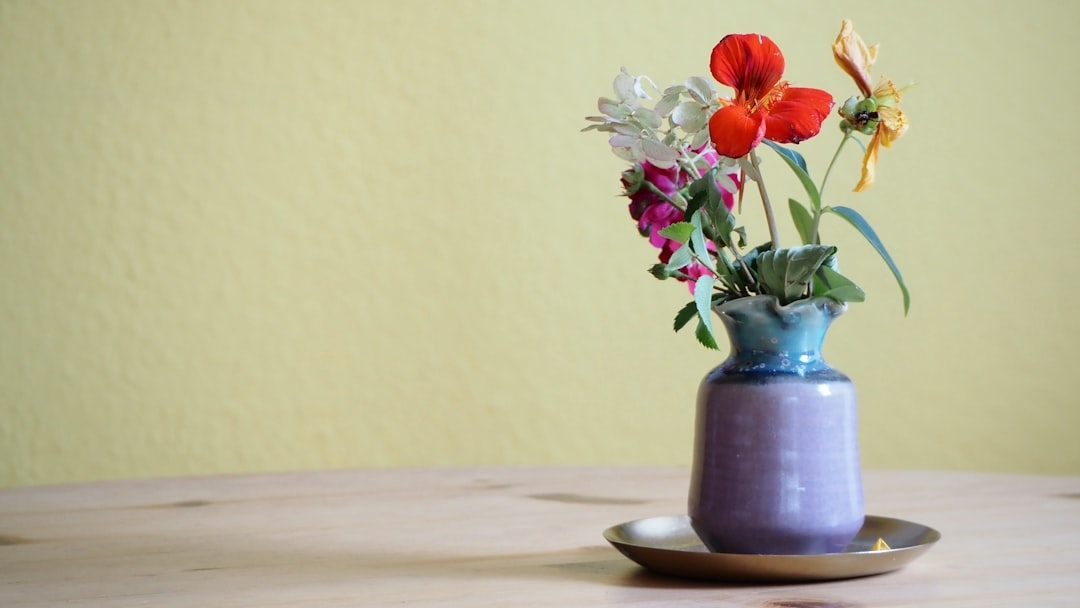
Cluster several shallow vases together for a modern look. Wildflowers thrive in casual, farmhouse-style containers–think enamel pitchers or recycled juice bottles.
Special Cases: Tulips, Hydrangeas, Peonies
Some favorites have unique needs. Here’s how to handle these tricky beauties.
Tulips
- Keep them upright: Tulip stems keep growing after cutting–sometimes up to ½ inch a day.
- Vase depth: ⅓ to ½ stem length; typically 6-8 inch deep vases for standard US tulip bouquets.
- Extra tip: Avoid overfilling–too much water causes stems to droop even more.
Hydrangeas
- Hydration beasts: Hydrangeas drink from both stem and flower head.
- Vase depth: 4-6 inches for short market-bunch stems.
- Florist hack: Submerge whole flower heads for 30 minutes before arranging. This “hard drink” revives wilted heads.
Peonies
- Heavy blossoms: Without enough support, peonies flop fast.
- Vase depth: 6-8 inches (about ⅓ of stem length).
- US season: Peak domestically May-June; expect to pay $5-$9/stem in 2026.
What Else Affects Flower Life & Arrangement?
Vase depth is just one part of the equation. For the freshest, longest-lasting arrangements, consider:
- Water temperature: Room temp for most flowers; lukewarm for woody stems like lilacs.
- Vase shape: Narrow necks offer more support, wide mouths encourage a looser look.
- Vase material: Glass shows off stems; opaque vases hide any droopy tricks (like chicken wire or tape grids).
- Location: Avoid direct sunlight and heat vents. The average American kitchen in 2026 is warmer than ever, which shortens vase life by up to 20%.
Pull-Quote
“The right vase depth is like a cozy bed for stems. Not too deep, not too shallow–just enough to rest easy and show off.”
–Jamie O’Donnell, Certified Floral Designer, Austin, TX
FAQ: Vase Depth & Flower Care
How deep should a vase be for long-stemmed roses?
Long-stemmed roses, typically 20-24 inches in length, do best in a vase at least 8-10 inches deep. This supports about one-third of the stem and keeps the blooms upright.
Do short flowers need a deep vase?
No, short-stemmed flowers thrive in shallow vases. A depth of 3-5 inches is usually enough for flowers like ranunculus, anemones, and poppies.
What happens if my vase is too deep?
If a vase is too deep, stem leaves may sit underwater and decay, leading to cloudy water and bacteria that shorten flower life. Blooms may also be lost below the rim, diminishing the visual effect.
Can I cut stems to fit my vase depth?
Yes, trimming stems to fit your vase is encouraged. Use sharp shears and cut at an angle, removing any leaves below the waterline for the best hydration and cleanliness.
Is it better to use a taller or shorter vase for mixed bouquets?
For mixed bouquets, choose a vase where the rim sits about one-third to halfway up the average stem length. Too tall and the flowers look crowded; too short and they flop.
Ready for the Perfect Arrangement? Try This
Next time you bring home a bunch of flowers–whether from Trader Joe’s, a local florist, or an online favorite like UrbanStems–take a moment to size up your vase collection. Trim stems to fit, clearing leaves that might dunk under water. For dramatic sunflowers or fragrant lilies, reach for a tall, heavy-bottomed vase. If you’ve got ranunculus or sweet peas, try a shallow bowl or mason jar. Experiment with groupings and don’t be afraid to mix and match. The right vase depth will show off each bloom–and keep your arrangement fresher, longer.
Go ahead: raid your cupboard, grab that forgotten vase, and let your flowers live their best life. Your next centerpiece might be your prettiest yet.