Contents:
- Quick Answer: Why Are Flowers Central to Funeral Traditions?
- The Language of Flowers: Historical Roots in Mourning
- Key Flowers Used in Funeral Rites Across Cultures
- United States
- Japan
- Latin America
- Middle East
- Europe
- How Flower Arrangements Differ by Religion
- Christianity
- Judaism
- Buddhism
- Islam
- Modern US Funeral Floristry: Trends, Customs, and Costs
- Current Trends in 2026
- Pricing and Availability
- Psychological Comfort: How Flowers Help the Bereaved
- Globalization and Future Directions in Funeral Floristry
- Frequently Asked Questions
- What flowers are appropriate for a funeral in the US?
- Is it ever inappropriate to send flowers to a funeral?
- How much should you spend on funeral flowers?
- Can funeral flowers be personalized?
- Are there eco-friendly options for funeral flowers?
- Looking Forward: Honoring Lives, Connecting Cultures
The Role of Flowers in Funeral Rites Worldwide
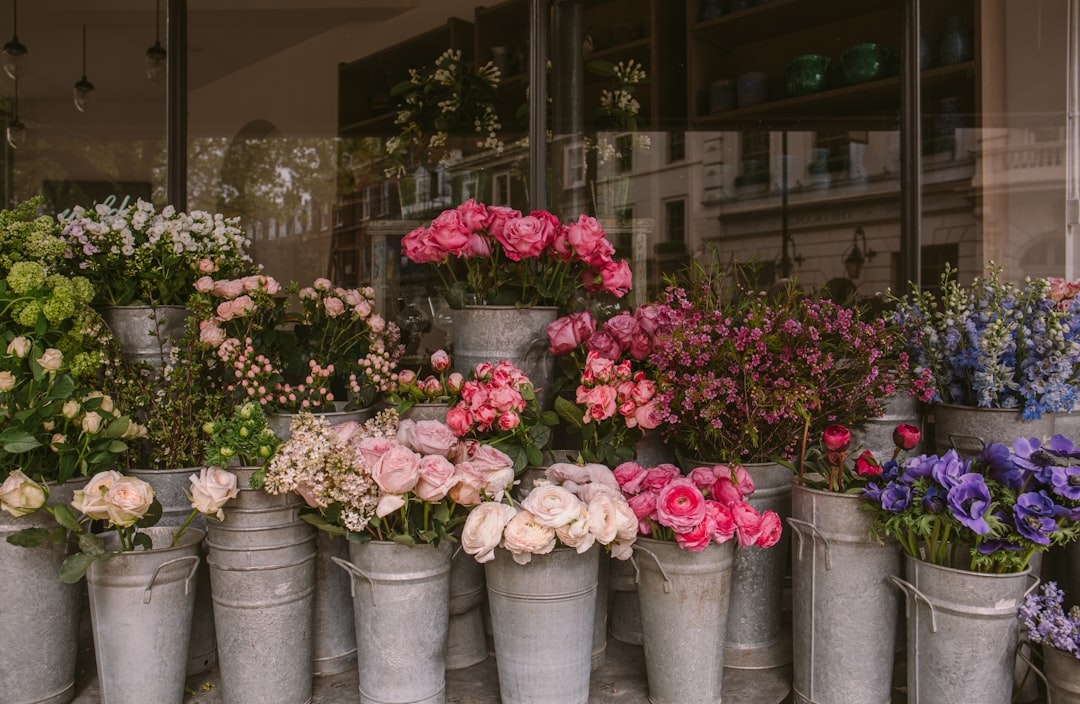
In Bangkok’s bustling Pak Khlong Talat flower market, chrysanthemum garlands change hands in the early morning, destined for the city’s funeral altars. Across the world, white lilies arrive at American funeral homes, filling rooms with their unmistakable fragrance. No matter the country, flowers are universal messengers in mourning–bearing unspoken words of sympathy, honor, and memory.
Quick Answer: Why Are Flowers Central to Funeral Traditions?
Flowers play a crucial role in funeral rites across cultures because they represent life, mourning, and remembrance. Their presence offers comfort to the grieving, symbolizes the fleeting nature of existence, and serves as a respectful tribute to the departed. Whether arranged in wreaths, sprays, or simple bouquets, flowers at funerals bridge cultural, religious, and social boundaries–marking loss with beauty and ritual. In the United States, lilies, roses, and carnations are the most commonly used funeral flowers in 2026, with over 70% of American funerals including flower arrangements according to the Association of American Florists.
The Language of Flowers: Historical Roots in Mourning
Flowers have been intertwined with death rituals for thousands of years. Archaeologists found traces of flower pollen in burial caves in Iraq dating back over 35,000 years–evidence that flowers were placed with the dead even in Paleolithic times. Victorian England elevated this tradition with “floriography,” a system where every flower carried a symbolic meaning: for example, white lilies for purity and peace, violets for modesty and faithfulness.
Dr. Amelia Yates, floral historian and author of “Blooms of Memory: Flowers in Ritual” (2024), notes:
“Flowers at funerals are not just decorative–they are ancient, coded messages of love, loss, and hope, spoken in petals.”
These symbolic meanings endure. In the US, the popularity of white roses and stargazer lilies for sympathy arrangements reflects deep cultural associations: remembrance, innocence, and the soul’s return to peace.
Key Flowers Used in Funeral Rites Across Cultures
Every culture has its preferred funeral flowers, but their meanings can shift dramatically across borders.
United States
- Lilies: Especially the white ‘Casa Blanca’ lily, associated with restored innocence of the soul.
- Roses: Red for love and respect, white for purity.
- Carnations: Durable and affordable, often used in wreaths and funeral sprays (average cost in 2026: $60-$150 per arrangement from US florists like FTD and Teleflora).
Japan
- Chrysanthemums (kiku): White and yellow varieties symbolize grief and lamentation. Never sent for joyful occasions.
- Lotus blossoms: Used in Buddhist ceremonies, representing spiritual awakening.
Latin America
- Marigolds (cempasúchil): Bright orange and yellow, believed to guide spirits during Día de los Muertos celebrations.
- Gladiolus: Signify strength of character and moral integrity.
Middle East
- No flowers in some Muslim funerals: Many Muslim traditions discourage elaborate floral tributes, emphasizing simplicity and charity instead.
Europe
- Calla lilies and laurel: Common in Italian and Greek Orthodox funerals for purity and eternal life themes.
| Country/Region | Common Funeral Flowers | Flower Meaning | Notable Custom |
|---|---|---|---|
| USA | Lilies, roses, carnations | Innocence, love, remembrance | Wreaths/sprays sent to services |
| Japan | Chrysanthemum, lotus | Grief, purity, awakening | Flowers often white/yellow only |
| Mexico | Marigold | Guide for spirits | Altars decorated for ancestors |
| UK | Lilies, calla lilies | Purity, rebirth | Wreath-laying ceremonies |
| India | Jasmine, marigold | Blessings, purity | Garlands over the deceased |
How Flower Arrangements Differ by Religion
The intersection of faith and floristry is intricate. Each major religion has its own guidelines around flowers and mourning.
Christianity
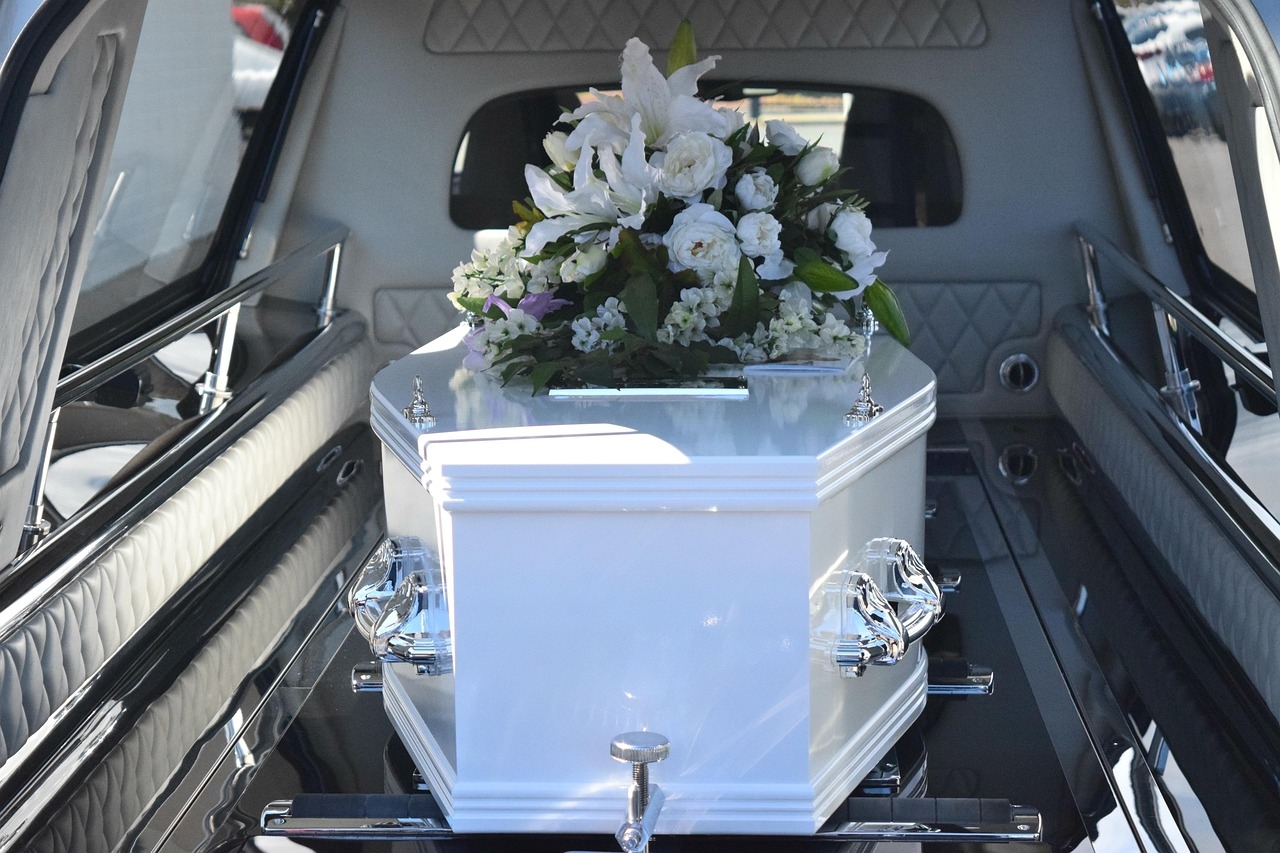
Flowers are welcome at Christian funerals, symbolizing eternal life and resurrection. Large sprays, casket arrangements, and standing wreaths are common. According to the National Funeral Directors Association, 82% of Protestant and Catholic funerals in the US in 2026 feature floral displays.
Judaism
Jewish funeral customs traditionally discourage sending flowers; instead, mourners give charity or bring food to the bereaved. In recent years, however, some American Jewish families opt for understated floral tributes, particularly white roses or lilies, when the family invites them.
Buddhism
Lotus flowers dominate Buddhist funeral arrangements, especially in Thai and Vietnamese communities. The flower represents spiritual purity and the soul’s liberation–a hopeful note in rituals otherwise focused on mourning.
Islam
Islamic funeral rites emphasize modesty and simplicity. Gifts of flowers are rare, with preference given to charitable donations or prayers for the deceased. However, in secular or blended families in the US, small bouquets may sometimes be seen.
Modern US Funeral Floristry: Trends, Customs, and Costs
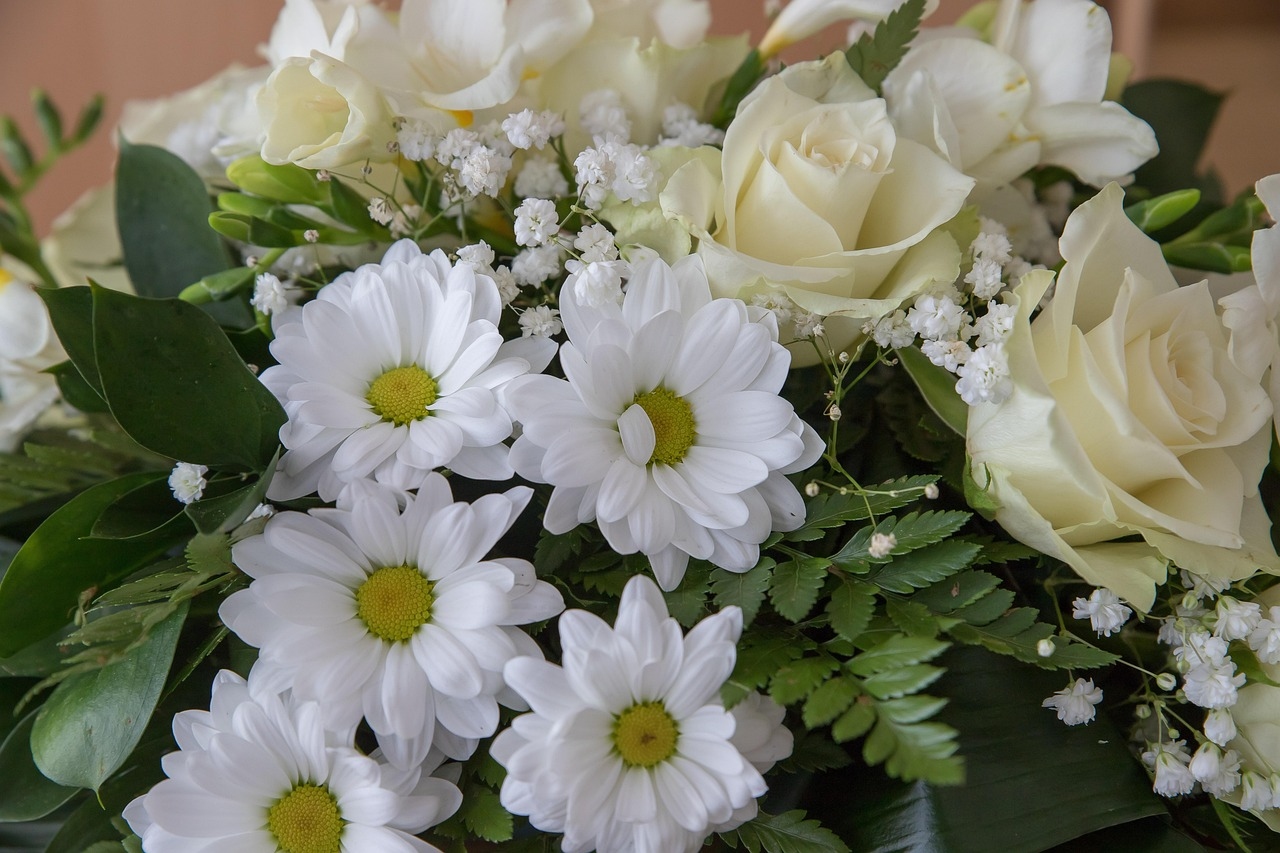
In the US, the role of funeral flowers continues to evolve–shaped by multiculturalism, online delivery, and changing preferences.
Current Trends in 2026
- Personalization: More families choose arrangements that reflect the deceased’s favorite blooms, hobbies, or sports teams with team-colored ribbons.
- Eco-friendly tributes: Demand for biodegradable arrangements and living plants is up 30% from 2022, according to the American Institute of Floral Designers.
- Digital memorials: Services like UrbanStems and 1-800-Flowers offer both traditional sprays and “virtual bouquets” for online memorials.
- Scent matters: Fragrant varieties such as tuberose and gardenias are growing popular, aiming to evoke memory through smell–a trend cited in “The Scented Farewell,” a 2025 survey by MasterFlorist USA.
Pricing and Availability
- Standard casket spray: $200-$450 in 2026, depending on design and region.
- Standing wreaths: $150-$350.
- Simple sympathy bouquets: $40-$100, with next-day delivery offered by most major US florists.
Florist Quote:
“Funeral flowers have to be more than beautiful–they have to say something about the person. Half my orders this year are custom requests,” says Linda Raymond, Funeral Design Specialist at Bloom & Vine, Chicago.
Psychological Comfort: How Flowers Help the Bereaved
Research confirms what tradition has long suggested–flowers provide tangible comfort at funerals.
- A 2023 study by Rutgers University found: People who received sympathy flowers during bereavement reported a 24% reduction in stress and feelings of isolation compared to those who did not.
- Dr. Priya Khanna, grief counselor and author: “Flowers are living reminders that life continues. For mourners, their colors and scents offer a gentle lift, creating a space that feels less harsh and more caring.”
Flowers also function as shared symbols at funerals, giving attendees a way to express what words can’t–a visual language of empathy, respect, and remembrance.
Globalization and Future Directions in Funeral Floristry
As populations migrate and families blend traditions, the world of funeral flowers is more diverse and personalized than ever.
- Hybrid customs: In cities like Los Angeles and New York, it’s common to see marigold garlands at Catholic funerals, or chrysanthemums alongside Christian symbols.
- Sustainable practices: Eco-concerns are shaping choices–demand for locally grown, pesticide-free flowers is up 40% since 2020.
- Technology: From livestreamed floral tributes to AI-assisted arrangement design, the industry is adapting. US companies like Farmgirl Flowers now offer same-day delivery for sympathy arrangements, even including QR codes linking to a digital tribute page.
Pull-quote:
“In 2026, floristry is not just about tradition–it’s about creating a moment that truly reflects both the departed and the community around them.”
Frequently Asked Questions
What flowers are appropriate for a funeral in the US?
Lilies, roses, and carnations are most commonly used for funerals in the United States. White and soft pastel colors are traditionally considered respectful. Check with the family or funeral home if you’re unsure–some may have specific preferences.
Is it ever inappropriate to send flowers to a funeral?
In certain religious traditions, such as Orthodox Jewish and many Muslim funerals, flowers are discouraged. Sending a condolence card or making a charitable donation in the name of the deceased is often preferred in these cases.
How much should you spend on funeral flowers?
In 2026, Americans typically spend $50-$250 on sympathy or funeral flowers, depending on the type of arrangement and relationship with the deceased. Larger family or group arrangements can cost $300 or more.
Can funeral flowers be personalized?
Yes. Many US florists offer personalized tribute arrangements, including favorite blooms, unique shapes (such as hearts or crosses), or themed displays to honor the deceased’s hobbies, faith, or military service.
Are there eco-friendly options for funeral flowers?
Absolutely. Many florists now offer arrangements with biodegradable materials and locally sourced flowers. Living plants or cut flowers that can be replanted are also popular green alternatives for memorials.
Looking Forward: Honoring Lives, Connecting Cultures
Flowers–whether in a silent Japanese chrysanthemum display or a vibrant American lily spray–continue to hold power at farewells. As beliefs and customs evolve, the core message endures: honoring a life is a universal act, and flowers speak in a language that crosses every border. When sending sympathy flowers in 2026, consider the story, culture, and legacy you want to acknowledge. The right blooms might just say everything that needs to be said, without a single word.