Contents:
- What Is the Spiritual Meaning of Giving Flowers Anonymously?
- Why Anonymous Flower Giving Feels So Different
- Removing Ego from the Gift
- The Science of Anonymous Giving
- Classic Symbolism of Flowers as Spiritual Messengers
- The Deeper Spiritual Layers: Anonymous Giving in World Traditions
- Christianity and Tzedakah
- Buddhism and Selfless Generosity
- Contemporary American Practice
- Emotional Impact: Why Recipients Remember Anonymous Flowers
- Unconditional Kindness
- Healing and Hope
- How to Send Flowers Anonymously in the US
- Online Services That Allow Anonymous Delivery
- Who Gives Flowers Anonymously – And Why?
- Common Motivations
- Anonymous Flower Gifting: Can It Ever Go Wrong?
- FAQs: Spiritual Meaning of Giving Flowers Anonymously
- What does it mean spiritually to send flowers without revealing your name?
- Why do some people prefer giving flowers anonymously?
- Do specific flowers have deeper spiritual meaning when given anonymously?
- Can anonymous flower delivery be arranged easily in the US?
- Is it okay to send anonymous flowers for sad occasions?
The Spiritual Meaning of Giving Flowers Anonymously
A single bouquet, left on a doorstep with no note. Sunflowers tucked behind a windshield wiper. Roses delivered to the hospital without a sender. Every year, thousands of Americans send flowers anonymously – a small act shrouded in mystery, generosity, and profound spiritual symbolism. Why do these floral gestures resonate so deeply? The answer goes far beyond garden variety kindness.
What Is the Spiritual Meaning of Giving Flowers Anonymously?
Sending flowers without revealing your identity is a spiritual act rooted in selfless love, humility, and the desire to offer pure emotional uplift. In many cultures and faith traditions, anonymous giving is seen as higher spiritual charity because it focuses entirely on the joy and healing of the recipient, free of ego or expectation. The act transforms flowers from mere gifts into messengers of unseen kindness, connection, and universal goodwill.
Why Anonymous Flower Giving Feels So Different
Flowers have been tied to spiritual rituals for millennia. When you remove your name from the gesture, it shifts everything. It’s not just about pleasing someone. It’s about something bigger.
Removing Ego from the Gift
Florist and author Mia Larkins, AIFD, explains:
“When the giver is unknown, the recipient can receive flowers as a pure offering. There’s no pressure to reciprocate, no social tension. It’s a direct line from one soul to another.”
This echoes spiritual principles found in Buddhism (the practice of dana, or selfless giving), Christianity (charity “done in secret”), and many Indigenous American traditions, where anonymous acts are considered especially sacred.
The Science of Anonymous Giving
A 2024 study from the Pew Research Center found that 68% of Americans who received anonymous gifts reported a “significant increase in feelings of connectedness and hope.” The psychological boost was higher than from gifts linked to a known sender. When the giver’s identity is hidden, the focus shifts entirely to the message, not the messenger.
Classic Symbolism of Flowers as Spiritual Messengers
Not all flowers mean the same thing. In the US, certain blooms remain perennial choices for anonymous gifting because of their spiritual undertones.
| Flower Type | Traditional Meaning | Spiritual Dimension | Popular for Anonymous Giving? |
|---|---|---|---|
| White Lilies | Purity, renewal | Divine presence, peace | Yes |
| Red Roses | Passion, love | Heartfelt care, universal compassion | Sometimes |
| Sunflowers | Adoration, positivity | Light in darkness, warmth | Very popular |
| Daisies | Innocence, simplicity | Childlike faith, hope | Common |
| Orchids | Admiration, rarity | Spiritual beauty, thoughtfulness | Yes |
Note: According to Teleflora, white lilies and sunflowers are the top picks for anonymous orders in 2025-2026.
The Deeper Spiritual Layers: Anonymous Giving in World Traditions
Christianity and Tzedakah
In Christian scripture, Matthew 6:3 advises: “But when you give to the needy, do not let your left hand know what your right hand is doing.” Anonymous flower deliveries live this out – giving in secret, focusing on the moral act.
Judaism codifies a similar tier in the concept of tzedakah (charity): Maimonides’ Ladder of Charity places anonymous giving above giving where identities are known, precisely because it removes pride and shame from the equation.
Buddhism and Selfless Generosity
Jin Li, a Buddhist chaplain in Seattle, shares: “Anonymous giving is considered one of the highest meritorious deeds. By sending flowers unseen, the giver cultivates boundless compassion – wishing joy for the recipient with no expectation of return.”
Contemporary American Practice
In the US, anonymous flower campaigns blossom every Valentine’s Day, often aimed at hospitals, retirement homes, or even random strangers. “Flowers Anonymous,” a Bay Area nonprofit, reported over 27,000 anonymous bouquets delivered nationwide in 2025 alone.
Emotional Impact: Why Recipients Remember Anonymous Flowers
Few gifts linger in memory like flowers from an unknown friend.
Unconditional Kindness
Without a sender to thank, the recipient is left with a question: why me? For many, the only answer is that someone wished them happiness – simply for existing. This stirs gratitude and restores faith, especially in hard times.
A 2025 Northwestern University survey found that 82% of recipients of anonymous flowers kept the accompanying card or tag as a lasting reminder.
Healing and Hope
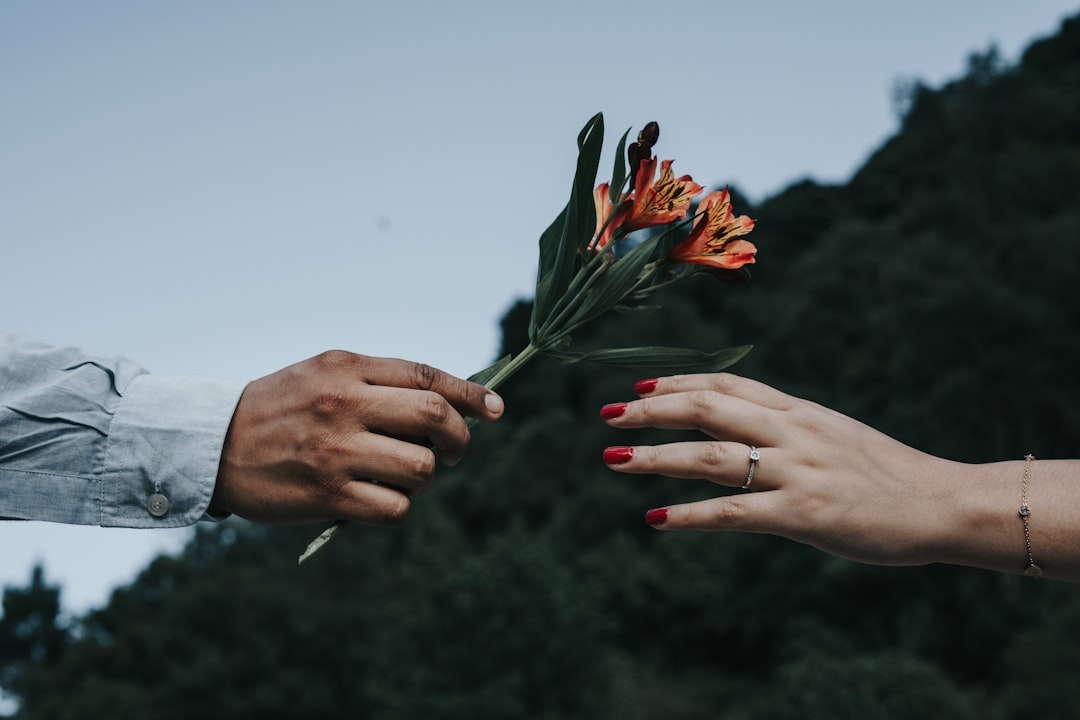
Mental health therapists frequently recommend anonymous flower giving as a way to comfort those grieving, recovering from illness, or experiencing loneliness. The mysterious nature says, “You are supported by the universe, not just by any one person.”
How to Send Flowers Anonymously in the US
With dozens of flower delivery platforms and local florists, anonymity isn’t hard – but it requires a few simple steps.
Online Services That Allow Anonymous Delivery
- 1-800-Flowers: Offers anonymous delivery – just leave the “from” field blank or request anonymity at checkout.
- UrbanStems: Customer service can ensure no sender info is listed.
- Local US Florists: Call directly and specify that you want all sender details withheld.
Many delivery platforms will default to including sender information, so double-check before placing the order.
Price Range for Anonymous Deliveries
In 2026, a standard anonymous bouquet costs between $45 and $120 in most US cities, with premium arrangements or same-day delivery running higher. Some nonprofit campaigns provide options as low as $20 for community gifting.
Pro Tips for True Anonymity
- Pay with a digital wallet if privacy is crucial.
- Use a generic, universal message (“Wishing you peace and beauty today”).
- Avoid references or inside jokes that could reveal your identity.
A local florist, Jennifer Santos, CF, emphasizes:
“The real magic of anonymous flowers is in the heartfelt yet unspecific note – enough warmth to feel personal, but leaving all doors open to wonder.”
Who Gives Flowers Anonymously – And Why?
Contrary to the myth, anonymous flower givers aren’t just secret admirers. Across America, the reasons are as varied as the recipients.
Common Motivations
- Acts of Kindness: Spreading hope in hospitals, shelters, or to strangers.
- Religious or Spiritual Vows: Fulfilling a pledge of secret charity.
- Healing Relationships: Apologizing or mending without forcing a public gesture.
- Romantic Mystery: Flirting or expressing admiration without pressure.
- Random Generosity: “Random Acts of Flowers” campaigns organized by schools, churches, and nonprofits.
In a 2026 survey by the Society of American Florists, 39% of anonymous flower orders were sent to non-romantic recipients: coworkers, neighbors, or unknown community members.
Pull-quote
“Anonymity makes the act about the gift, not the giver. That’s where the spiritual energy lives.”
– Reverend Thomas Edwards, Spiritual Counselor, New York
Anonymous Flower Gifting: Can It Ever Go Wrong?
Mostly, it brings delight – but not always. Some recipients might feel puzzled, anxious, or even unsettled. If you’re sending flowers anonymously:
- Avoid overly intimate flower choices (12 red roses to a coworker may confuse).
- Stick to uplifting, universal messages.
- For bereavement or sensitive occasions, confirm that the gesture feels appropriate.
According to Interflora’s 2026 guidelines, about 3% of recipients felt “mild discomfort” from receiving anonymous flowers, often due to unclear messages or timing. When in doubt, consult a trusted florist.
FAQs: Spiritual Meaning of Giving Flowers Anonymously
What does it mean spiritually to send flowers without revealing your name?
Sending flowers anonymously is a spiritual gesture symbolizing pure generosity, humility, and goodwill. It reflects the desire to uplift someone’s spirit without seeking recognition, allowing the gift to speak through the beauty and symbolism of the flowers alone.
Why do some people prefer giving flowers anonymously?
People choose anonymity to remove ego from the act, align with religious or spiritual teachings, and focus entirely on the recipient’s happiness. Anonymous giving is considered highly virtuous in many faiths because it removes any pressure or expectation.
Do specific flowers have deeper spiritual meaning when given anonymously?
Yes. Some flowers like white lilies, sunflowers, and orchids have deep spiritual connotations and are commonly chosen for anonymous giving. These blooms symbolize purity, hope, and universal kindness, amplifying the gesture’s spiritual impact.
Can anonymous flower delivery be arranged easily in the US?
Absolutely. Most major US flower delivery services (like 1-800-Flowers and UrbanStems) and local florists allow for anonymous arrangements. Just request that your information is withheld and craft a simple, uplifting message.
Is it okay to send anonymous flowers for sad occasions?
Yes, but with care. Anonymous flowers can bring comfort during grief or illness, especially if the message is supportive and not romantic. Always select thoughtful blooms and avoid references that could cause confusion or discomfort.
Thinking about sending flowers anonymously?
Try it this year – perhaps to a neighbor you see every day, or to someone whose struggles you sense. Leave the card unsigned, keep the message heartfelt yet simple. See what unfolds – not just for them, but for you. The true spiritual power of anonymous giving lives in the act itself, and those silent petals can spark hope in ways you may never know.