Contents:
- What Flowers Are Safe for Autism-Friendly Environments? (Quick Answer)
- Why Flower Choice Matters for Autism
- Sensory Triggers to Avoid
- Top Autism-Friendly Flowers (With Specific Examples)
- Gerbera Daisies
- Orchids
- Hydrangeas
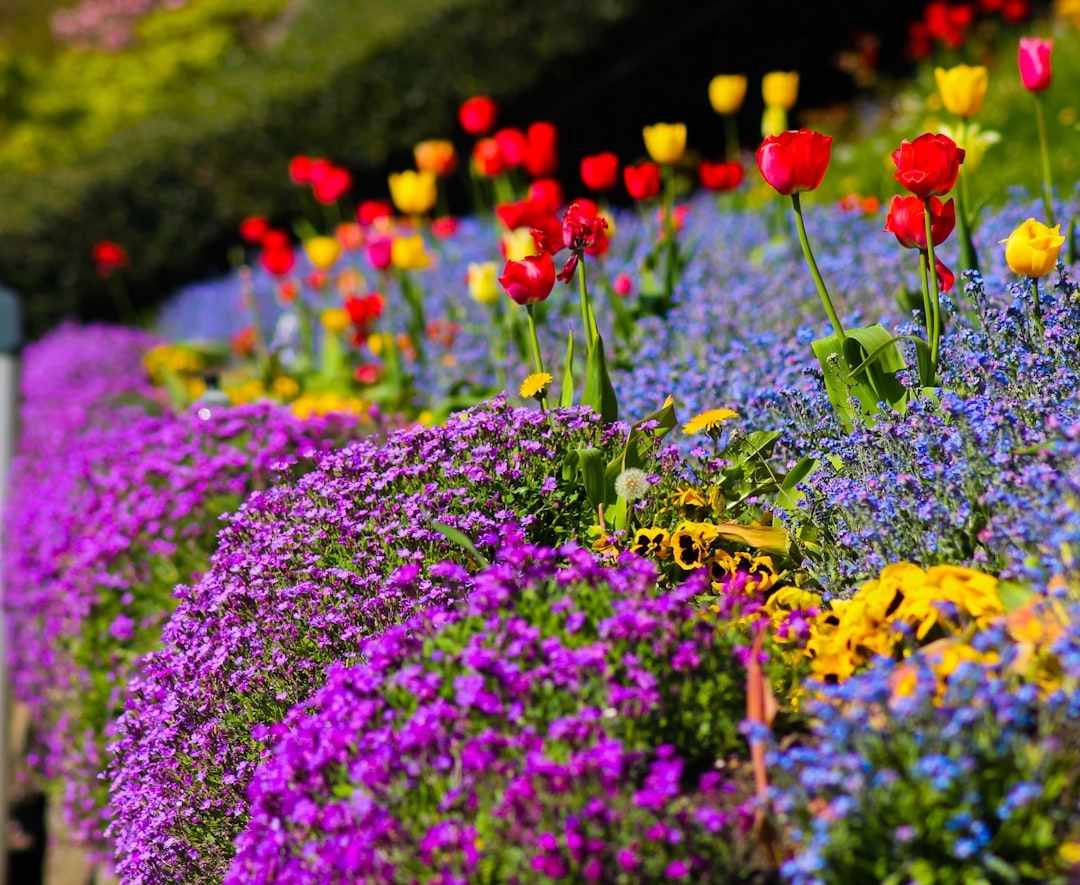
- Tulips
- Zinnias
- Snapdragons
- Quick Comparison: Autism-Friendly Flowers vs. Common Triggers
- Arranging Bouquets for Sensory Safety
- Keep It Simple
- Texture Is Key
- Vase & Water
- Places Where Sensory-Safe Florals Matter
- Classrooms & Sensory Rooms
- Therapy Centers
- Hospitals and Waiting Rooms
- At Home
- US Florists and Services Offering Sensory-Friendly Options
- Pull-Quote
- FAQ: Flowers and Autism-Safe Spaces
- What is the best flower for an autism-friendly environment?
- Are artificial flowers safer than real ones for autistic individuals?
- Which popular flowers should be avoided in sensory-sensitive spaces?
- Can flowers trigger allergies or sensory responses unrelated to autism?
- How do I request an autism-friendly bouquet from a florist?
- Creating Calmer Spaces with Thoughtful Floristry
Flowers Safe for Autism-Friendly Environments
A riot of color and fragrance can be a gift or an assault on the senses. For an estimated 1 in 36 American children diagnosed with autism (CDC, 2026), even the most thoughtful bouquet can trigger discomfort, meltdowns, or allergic reactions. A single lily’s intense scent or an unexpected pollen cloud from a sunflower could mean the difference between joy and distress. Choosing flowers for autism-friendly spaces isn’t just about beauty; it’s about supporting daily comfort and well-being.
What Flowers Are Safe for Autism-Friendly Environments? (Quick Answer)
For autism-friendly environments, select low-pollen, unscented or mildly-scented flowers with smooth textures and gentle colors. Excellent options include:
- Gerbera daisies (unscented, low pollen)
- Orchids (no pollen, subtle scent)
- Hydrangeas (minimal pollen, soft petals)
- Tulips (unscented, waxy texture)
- Snapdragons (mild scent, tubular shape contains pollen)
- Zinnias (unscented, bright but not overwhelming)
Avoid heavily scented blooms (lilies, hyacinths), spiky textures (thistles), or high-pollen varieties (sunflowers). Check any bouquet for strong fragrances or dust-like pollen before placing in common spaces, especially sensory rooms or therapy offices.
Why Flower Choice Matters for Autism
Step into a typical florist shop: the air can be heady with mixed perfumes, pollen dust, and the crinkle of cellophane. For many people on the autism spectrum, that can be overwhelming–sometimes even physically painful.
According to Dr. Lena Harrow, Ph.D., Occupational Therapist and sensory specialist in Denver, “Scent and texture sensitivities are among the top environmental triggers for many autistic individuals. A strong flower fragrance or rough leaf can quickly overwhelm coping mechanisms, especially in children.”
Research from Autism Speaks (2025) found that 62% of families reported worsening behaviors with strong floral scents or visible pollen in public spaces. That’s not just a preference; it’s a real quality-of-life issue.
Sensory Triggers to Avoid
- Powerful floral scents: Especially lilies, gardenias, stock, and hyacinths. These can linger for days.
- Loose pollen: Dusty, visible pollen (think lilies, sunflowers, or chrysanthemums).
- Prickly textures: Some stems and foliage are unexpectedly sharp or rough.
- High-contrast, neon hues: For some, extremely bright colors increase anxiety or distractibility.
Top Autism-Friendly Flowers (With Specific Examples)
Not every flower is a sensory minefield. Many florists now curate “sensory-safe” bouquets–some even certified by local autism organizations. The flowers in this list are regularly recommended by US-based horticulturists and autism specialists.
Gerbera Daisies
- Why they’re safe: No strong scent, minimal pollen, large smooth petals.
- Colors: Warm reds, soft pinks, gentle yellows.
- Pricing (2026): About $3.50 per stem from Teleflora or UrbanStems.
Orchids
- Why they’re safe: Wax-like petals, practically odorless, pollen is not airborne.
- Best types: Phalaenopsis (moth orchids) are especially gentle.
- Lifespan: Up to 6 weeks as a potted plant indoors.
Hydrangeas
- Why they’re safe: Low pollen, clustered florets, soft pastel shades (blue, pink, white).
- Caution: Some soil additives can change bloom color–if blue is calming, specify at order.
Tulips
- Why they’re safe: Clean lines, unscented, pollen remains inside the flower.
- Notes: Available late winter through early spring in the US; $2-3 per stem at Whole Foods or Trader Joe’s.
Zinnias
- Why they’re safe: Unscented, broad variety of soft, pleasing colors.
- Bonus: Easy for kids to grow, hearty for school or home settings.
Snapdragons
- Why they’re safe: Gentle fragrance, tubular shape holds pollen inside.
- Tip: Pair with simple greens like eucalyptus for texture without spikes.
“Think of sensory-friendly flowers as a quiet friend–present, beautiful, but never demanding attention,” says Allie Nguyen, lead designer at Bloomwise, a Seattle non-profit florist focused on inclusive arrangements.
Quick Comparison: Autism-Friendly Flowers vs. Common Triggers
| Flower Type | Scent | Pollen | Texture | Common Triggers? |
|---|---|---|---|---|
| Gerbera Daisy | None | Low | Smooth | No |
| Oriental Lily | Strong | High | Waxy | Yes |
| Orchid | None | None | Waxy | No |
| Sunflower | Weak | High | Fuzzy | Yes |
| Hydrangea | None | Low | Soft | No |
| Carnation | Faint | Moderate | Ruffled | Often safe |
Arranging Bouquets for Sensory Safety
Even the safest flowers can become problematic if bundled with triggering greens or overwhelming color pairings. Here’s how US-based florists and caregivers create autism-friendly arrangements:
Keep It Simple
- Limit to three colors: Soft blues, pale pinks, gentle greens work best.
- Use single-species bunches: Reduces unpredictable scents.
- Skip the filler: Baby’s breath, statice, and some ferns can have sharp odors.
Texture Is Key
- Test the petals: Smooth or softly velvety surfaces are most comfortable.
- Avoid foliage with prickles, fuzz, or sap.
Vase & Water
- Use clear, non-patterned vases (preferably glass or acrylic).
- Change water daily–some bacteria can release odd smells, even if flowers are “safe.”
Places Where Sensory-Safe Florals Matter
Not every room with flowers requires the same level of vigilance. Sensory needs are most critical in:
Classrooms & Sensory Rooms
Certified autism-friendly schools in New York and California often publish recommended non-floral plant lists but have started allowing certain flowers for special occasions after consulting OT professionals.
Therapy Centers
Centers like Sensory Steps in Dallas keep only phalaenopsis orchids at reception–no cut bouquets, ever. Low maintenance, zero risk.
Hospitals and Waiting Rooms
Some US hospitals consult with florists for hypoallergenic arrangements–mainly using hydrangeas, orchids, and tulips.
At Home
Consideration for siblings and family members is key. Many families now keep a “flower chart” listing safe options for celebrations.
US Florists and Services Offering Sensory-Friendly Options
In 2026, several American services offer autism-aware arrangements:
- UrbanStems (urbanstems.com): Search “low-scent” bouquets, starting at $64.99.
- Bloomwise (Seattle, WA): Custom “sensory-calming” arrangements by request.
- Whole Foods Market: Carries single-variety gerbera and tulip bunches for under $15.
Requesting a “low-pollen, fragrance-free” bouquet is becoming standard practice at many local shops.
Pull-Quote
“For us, flowers shouldn’t just be pretty–they should help our son feel safe and calm. The right blooms are as important as the right lighting or paint color.”
– Michelle Dalton, parent and advocate, Autism Society of Illinois
FAQ: Flowers and Autism-Safe Spaces
What is the best flower for an autism-friendly environment?
Answer: Orchids, especially Phalaenopsis types, are considered the gold standard: they have no scent, produce no airborne pollen, and offer calming color options.
Are artificial flowers safer than real ones for autistic individuals?
Answer: Sometimes. Artificial flowers eliminate pollen and scent, but may have unnatural colors or rough textures. Choose high-quality, soft-touch varieties and avoid plastic fragrances.
Which popular flowers should be avoided in sensory-sensitive spaces?
Answer: Avoid lilies, sunflowers, chrysanthemums, hyacinths, gardenias, and any blooms with a strong scent or visible pollen.
Can flowers trigger allergies or sensory responses unrelated to autism?
Answer: Yes. Flowers with strong scents or pollen can cause discomfort, headaches, or allergic symptoms in anyone–autism just makes those triggers harder to filter or ignore.
How do I request an autism-friendly bouquet from a florist?
Answer: Ask for “low-pollen, unscented flowers such as orchids, tulips, or hydrangeas, and no strong filler greenery.” Most US florists in 2026 know this request.
Creating Calmer Spaces with Thoughtful Floristry
Choosing flowers for autism-friendly environments isn’t just a checklist–it’s a meaningful gesture of respect. The next time you plan a bouquet for school, home, or a therapy office, let safety and sensory calm take center stage. Start a conversation with your local florist about sensory-friendly options, or try growing your own gentle blooms. Small changes, like the right flower, can make a world of difference for someone who feels the world more intensely.