Contents:
- Midwest Cutting Garden Plan: Quick-Read Answer
- Why the Midwest Is Perfect for a Cutting Garden
- Best Flowers for a Midwest Cutting Garden
- Must-Grow Annuals
- Reliable Perennials
- Fresh Spring Bulbs
- Designing Your Cutting Garden for Easy Harvest
- Garden Layout
- Sunlight & Spacing
- Soil Prep & Fertility
- When to Plant: Midwest Flower Timing
- Harvest, Arranging, and Enjoyment
- Harvest Techniques for Longevity
- Arranging Tips
- Preserving Blooms
- Troubleshooting and Common Pitfalls
- Midwest Pests & Plagues
- Weather Woes
- Starter Plant & Seed Sources (US Market)
- FAQ: Midwest Cutting Gardens
- What are the best flowers for a beginner’s cutting garden in the Midwest?
- When should I start seeds indoors for Midwest cutting flowers?
- Can I grow dahlias in a Midwest cutting garden?
- How much space do I need for a DIY cutting garden?
- How do I ensure blooms all season?
- Ready to Start Your Midwest Cutting Garden?
Cutting Garden Plan for the Midwest: Grow Blooms All Season
Picture bouquet after bouquet of fresh, homegrown flowers–zinnias clashing with snapdragons in a Mason jar, armfuls of sun-bright rudbeckias, and the heady fragrance of sweet peas on a June morning. In the Midwest’s dynamic climate, a cutting garden isn’t just possible–it’s a showstopper, and with a smart plan, you can fill vases from April frost-thaw straight through to autumn’s first chill.
Midwest Cutting Garden Plan: Quick-Read Answer
For a Midwest cutting garden, select heat- and cold-tolerant annuals (zinnias, cosmos, sunflowers, snapdragons), reliable perennials (coneflowers, black-eyed Susans, peonies), and a handful of spring bulbs (tulips, daffodils). Plant in blocks or rows for efficient harvesting, ensure at least 6 hours of sun, and amend the soil with compost each spring. Start seeds indoors in late winter (February-March), direct sow after last frost (mid-May), and succession plant through midsummer for nonstop blooms. Expect peak cutting from June to October.
Why the Midwest Is Perfect for a Cutting Garden
Midwesterners enjoy four true seasons and rich, loamy soil in many regions–a golden combination for garden-grown florals. While spring brings dramatic temperature swings and summer can sizzle, resilient flower varieties thrive here. According to Dr. Emily Richter, a horticulture educator at Iowa State, “The Midwest’s long growing season and moisture-rich summers mean you can grow a remarkable variety–even challenging flowers like lisianthus if you plan well.”
Plus, flowers from your own backyard last longer in the vase than most US store-bought blooms, which travel an average of 2,500 miles, according to the Society of American Florists. Local is fresher, and you choose exactly what’s in the bouquet.
Best Flowers for a Midwest Cutting Garden
Must-Grow Annuals
Annuals are the backbone of a cutting garden: the more you cut, the more they bloom. For Midwest gardens, these annuals are top picks:
- Zinnia ‘Benary’s Giant’: Showy, easy, and drought-tolerant–vase life up to 10 days.
- Snapdragon ‘Madame Butterfly’: Spikes of ruffled blossoms from cool spring into summer.
- Sunflower ‘ProCut Orange’: Single-stemmed, pollenless–ideal for cutting.
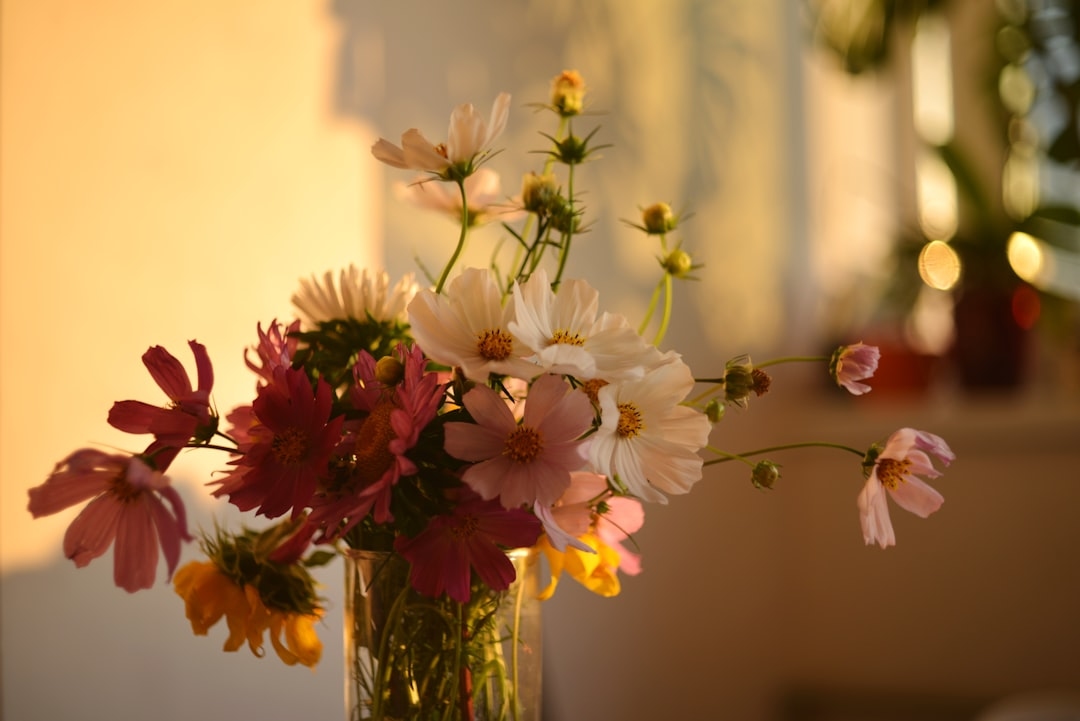
- Cosmos ‘Double Click’: Frilly petals, blooms all summer.
- Celosia ‘Flamingo Feather’: Adds wild texture and long vase life.
- Amaranth ‘Love Lies Bleeding’: Dramatic, trailing magenta ropes.
Pro tip: Succession sow annuals in 2-week intervals from late May through early July for a steady supply.
Reliable Perennials
Perennials add consistency and structure:
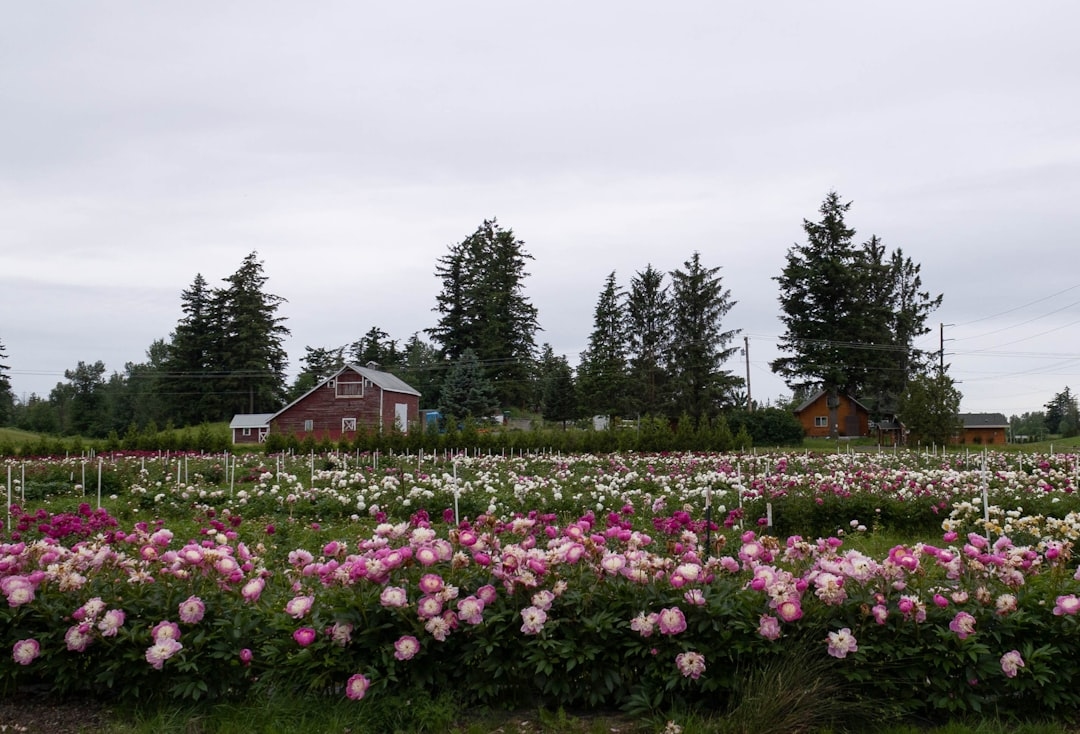
- Peony ‘Sarah Bernhardt’: Romantic, lush blooms in late spring.
- Echinacea ‘Magnus’: Long-stemmed, ruby-pink daisies in mid-summer.
- Rudbeckia ‘Goldsturm’: Classic black-eyed Susan, blooms until frost.
- Bee Balm ‘Jacob Cline’: Bold color and attracts pollinators.
Fresh Spring Bulbs
Plant these in fall for early bouquets:
- Tulip ‘Apricot Parrot’: Frilled, painterly petals.
- Narcissus ‘Thalia’: Elegant, pure white and fragrant.
| Flower Type | Bloom Season | Cutting Garden Role | Vase Life |
|---|---|---|---|
| Zinnia | Summer-Fall | Abundant, versatile filler | 7-10 days |
| Peony | Late Spring | Showstopper, focal flower | 5-7 days |
| Sunflower | Summer | Bold centerpiece | 6-10 days |
| Tulip | Early Spring | First color, cheer | 5-8 days |
| Echinacea | Midsummer | Wild, textural accent | 7-10 days |
Designing Your Cutting Garden for Easy Harvest
Garden Layout
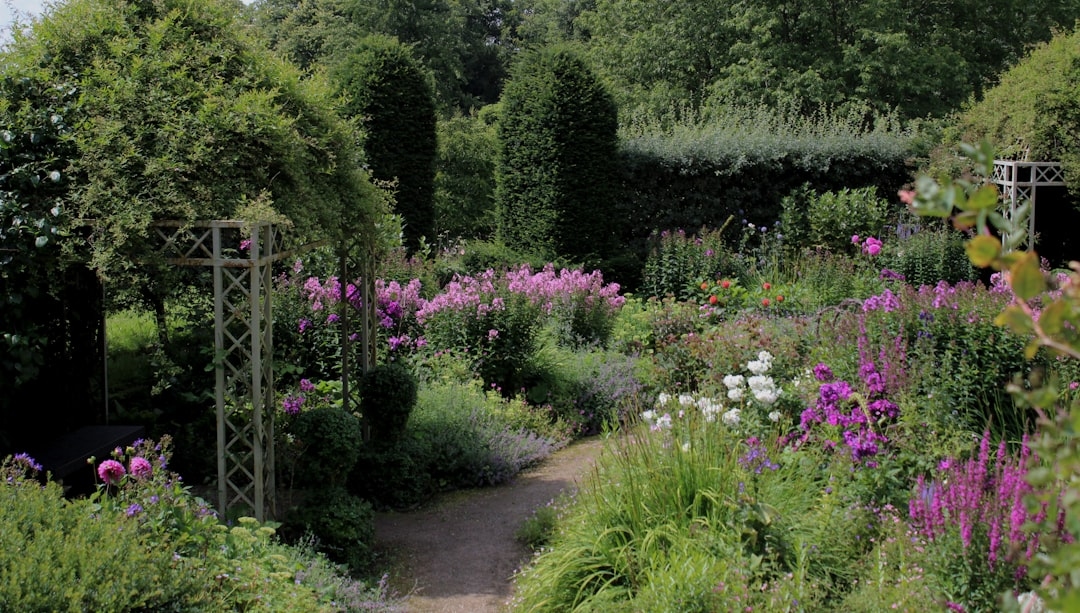
Straight rows or beds work best–think function, not frills. Aim for 3-4 foot wide beds so you can reach in from both sides, and paths of at least 18 inches for maneuvering buckets and clippers.
“A cutting garden is like a well-organized kitchen. You want everything accessible, labeled, and easy to clean up.”
– Marisa Holt, Owner, Prairie Bouquet Co., Des Moines, IA
Sunlight & Spacing
Most cut flowers need at least 6-8 hours of sun and good airflow. Overcrowding = powdery mildew city, especially during humid Midwest Julys. Keep tall plants (like sunflowers) on the north side so they don’t shade others.
Soil Prep & Fertility
Midwest soils are often fertile but compacted. Loosen up beds with compost ($5-$15 per bag, e.g., Michigan Peat’s “Garden Magic”). Before planting, work in 2-4 inches and test pH (shoot for 6.0-7.0). If your soil is clay-heavy, raised beds can boost drainage and root health.
When to Plant: Midwest Flower Timing
- Cool-season annuals: Start seeds indoors late February or direct sow in April (sweet peas, snapdragons, larkspur).
- Warm-season annuals: Sow after last frost (usually mid-May, but check the National Weather Service map for your zip code).
- Succession planting: Add a new row or section every 2-3 weeks until mid-July for constant bouquets.
- Perennials: Plant bareroots or pots in spring for blooms the following year (peonies, echinacea, bee balm).
- Bulbs: Plant daffodils and tulips in October, 6-8 inches deep. Midwest winters provide perfect chilling.
Harvest, Arranging, and Enjoyment
Harvest Techniques for Longevity

Cut in the early morning, when stems are hydrated. Bring a clean bucket with cool water. Use sharp, sanitized snips (like the ARS HP-VS8R, $45 USD, or Felco #2).
- Cut zinnias when petals are fully open and stems feel stiff.
- Snap off tulip stems at the base, and “straighten” them overnight in tall vases.
- For branching flowers (cosmos, ammi), cut deep to encourage new stems.
Arranging Tips
Mix large faces (sunflower, peony) with airy fillers (ammi, feverfew) and foliage (basil, dusty miller) for that wild-lush look popularized by US florists like Floret and Farmgirl Flowers.
Preserving Blooms
Some Midwest gardeners love drying flowers like statice, strawflower, and gomphrena–hang upside down for a week in a dark, breezy spot.
Troubleshooting and Common Pitfalls
Midwest Pests & Plagues
- Japanese beetles: Handpick or use traps (like Tanglefoot Japanese Beetle Trap, $25 USD).
- Powdery mildew: Space plants, water at soil line, and try organic sprays with neem oil.
- Rabbit/drought stress: A 2-foot chicken wire fence keeps bunnies out. Mulch beds to conserve moisture–especially in hot, stormy spells.
Weather Woes
Late frosts zap early blooms–cover plants with row fabric (like Agribon AG-19, $20 for a 6×25′ roll). Intense summer storms? Stake tall plants (simple bamboo stakes or tomato cages work).
Starter Plant & Seed Sources (US Market)
- Johnny’s Selected Seeds (Maine): Premium cut-flower varieties, ships nationwide.
- Baker Creek Heirloom Seeds: Unusual color mixes.
- Prairie Moon Nursery (Minnesota): Native Midwest perennials.
- Floret Flowers Shop (Washington): Coveted specialty annuals–order early, they sell out fast!
FAQ: Midwest Cutting Gardens
What are the best flowers for a beginner’s cutting garden in the Midwest?
Zinnias, sunflowers, snapdragons, and cosmos are forgiving, easy to start from seed, and bloom heavily all summer. Peonies and rudbeckias are low-maintenance perennials for consistent returns each year.
When should I start seeds indoors for Midwest cutting flowers?
Begin cool-season annuals like snapdragon and stock indoors around late February. Warm-season types (zinnia, sunflower, cosmos) are best started indoors in late March or early April, 4-6 weeks before the last frost.
Can I grow dahlias in a Midwest cutting garden?
Absolutely. Plant dahlia tubers after the last frost (usually mid-May) in full sun. In zones 5-6, dig and store tubers indoors over winter.
How much space do I need for a DIY cutting garden?
A 4×8 foot bed (32 sq ft) can yield 60-100 stems a week at peak, enough for a bouquet every few days. For serious flower arrangers, plan for at least 100 sq ft.
How do I ensure blooms all season?
Choose a mix of spring bulbs, early annuals, main-season annuals, and late-blooming perennials. Stagger sowings of annuals every 2-3 weeks through July.
Ready to Start Your Midwest Cutting Garden?
Order a packet of ‘Benary’s Giant’ zinnia seeds or a few peony roots this winter. Sketch a simple bed plan. By summer, you’ll be filling jars for neighbors, friends, or your own kitchen table–no plane ticket required for fresh, spectacular bouquets right outside your door.