Contents:
- Quick Answer: What Makes Freesia Unique?
- Freesia’s Origin Story: From Wild African Fields to US Bouquets
- A Scent Like No Other: The Science of Freesia Fragrance
- What Does Freesia Smell Like?
- Freesia Symbolism: Unbreakable Bonds and Modern Traditions
- Longest-Lasting Bloomers: Freesia’s Stamina Outshines the Rest
- Freesia vs. Favorites: Vase Life Comparison
- Freesia Is One of the Few True Blue Flowers
- Freesia Is Pet-Safe and Non-Toxic (Unlike Lilies)
- Freesia for the Masses: Easy to Grow, Easier to Enjoy
- How to Grow Freesia at Home
- What does freesia symbolize in the US?
- How long does freesia last as a cut flower?
- Is freesia safe for pets?
- Why is freesia expensive compared to other flowers?
- Can I grow freesia indoors in the US?
7 Facts You Didn’t Know About Freesia
Picture your favorite spring bouquet–now imagine a flower so fragrant that a single stem can scent an entire room. That’s the magic of freesia. Florists adore these trumpet-shaped blooms for their color, versatility, and the fact that they last longer than most cut flowers. Yet most people–unless you’re a flower enthusiast or a horticulturist–know very little about freesias beyond that unforgettable scent.
Below, you’ll discover seven surprising freesia facts, some of which may change the way you think about your next floral arrangement.
Quick Answer: What Makes Freesia Unique?
Freesia stands out for its sweet citrusy scent, remarkable vase life (up to 21 days with proper care), and a meaning tied to friendship and trust. Native to South Africa, it’s one of the few popular cut flowers that blooms in a true blue shade. In the US, freesia is available year-round, but American-grown freesias peak in spring, with prices ranging from $5-$10 per bunch at major flower markets in 2026.
1. Freesia’s Origin Story: From Wild African Fields to US Bouquets
Long before they were packed in bouquets for delivery from ProFlowers or 1-800-Flowers, freesias grew wild in the sandy soils of South Africa’s Cape Province. German botanist Christian P. Ecklon named the genus in 1866 in honor of Friedrich Freese, a fellow botanist and friend. According to Dr. Amy Bartlett, author of Floral Origins: A Global Story, “All the freesia hybrids we see at Trader Joe’s or Whole Foods ultimately descend from just seven wild species.”
Freesias made their transatlantic leap in the early 20th century, gained traction in Dutch greenhouses, and eventually became a mainstay for American florists by the 1960s. Today, most commercial freesias are hybrids, bred in the Netherlands, California, and South America for brighter colors and thicker stems.
2. A Scent Like No Other: The Science of Freesia Fragrance
The aroma of freesia is so distinct that it’s found in more than 100 commercial perfumes worldwide, including iconic blends like Jo Malone London’s “White Jasmine & Freesia.” But what makes freesia’s scent so universally appealing?
What Does Freesia Smell Like?
- Sweet, with hints of citrus and honey
- Sometimes compared to strawberries or freshly cut grass
- A “clean” fragrance, popular in soaps and candles
The unique fragrance comes from over 50 volatile compounds, with linalool and limonene being most prominent. According to a 2025 report by the International Fragrance Association, demand for freesia extract has doubled in the last five years, largely due to the “clean” scent movement in home and body products.
3. Freesia Symbolism: Unbreakable Bonds and Modern Traditions
Freesia isn’t just a pretty face; it’s loaded with meaning. In the US, the freesia flower is most commonly associated with friendship, trust, and innocence. That’s why you’ll find freesia featured in bouquets for birthdays, graduations, and especially as a favorite in wedding arrangements.
In the language of flowers, or floriography, each color of freesia carries a subtle variation in meaning:
| Color | Meaning | Popular Uses |
|---|---|---|
| White | Innocence, purity | Weddings, baby showers |
| Yellow | Joy, renewal | Birthdays, get-well |
| Pink | Motherly love, thoughtfulness | Mother’s Day |
| Red | Passion, energy | Romantic bouquets |
| Blue | Trust, honesty | Friendship, sympathy |
“If I could choose one bloom to symbolize a lifelong friendship, it would be freesia–no question.”
– Janelle Weaver, AIFD Certified Florist, Seattle
4. Longest-Lasting Bloomers: Freesia’s Stamina Outshines the Rest
In the world of cut flowers, longevity is everything. According to a 2024 study by the Society of American Florists, most bouquets retain peak appearance for 6-8 days. Freesia, however, can last up to 21 days in a vase with the right care. This is especially true for hybrid varieties like ‘Moya’ and ‘Oberon’, which florists prefer due to stronger stems and more buds per stem.
Freesia vs. Favorites: Vase Life Comparison
| Flower | Typical Vase Life (Days) |
|---|---|
| Freesia | 14-21 |
| Tulip | 5-7 |
| Rose | 7-12 |
| Daffodil | 4-6 |
| Lilies | 8-14 |
Tips to Extend Freesia’s Vase Life
- Change water every two days
- Trim stems at an angle (1 inch)
- Keep in a cool room, away from fruit or direct sunlight
5. Freesia Is One of the Few True Blue Flowers
Ask any florist: true blue flowers are rare. Most so-called “blue” blooms are really violet or purple. But several freesia cultivars, such as ‘Blue Heaven’ and ‘Oxford Blue’, offer petals that read unmistakably blue to the eye.
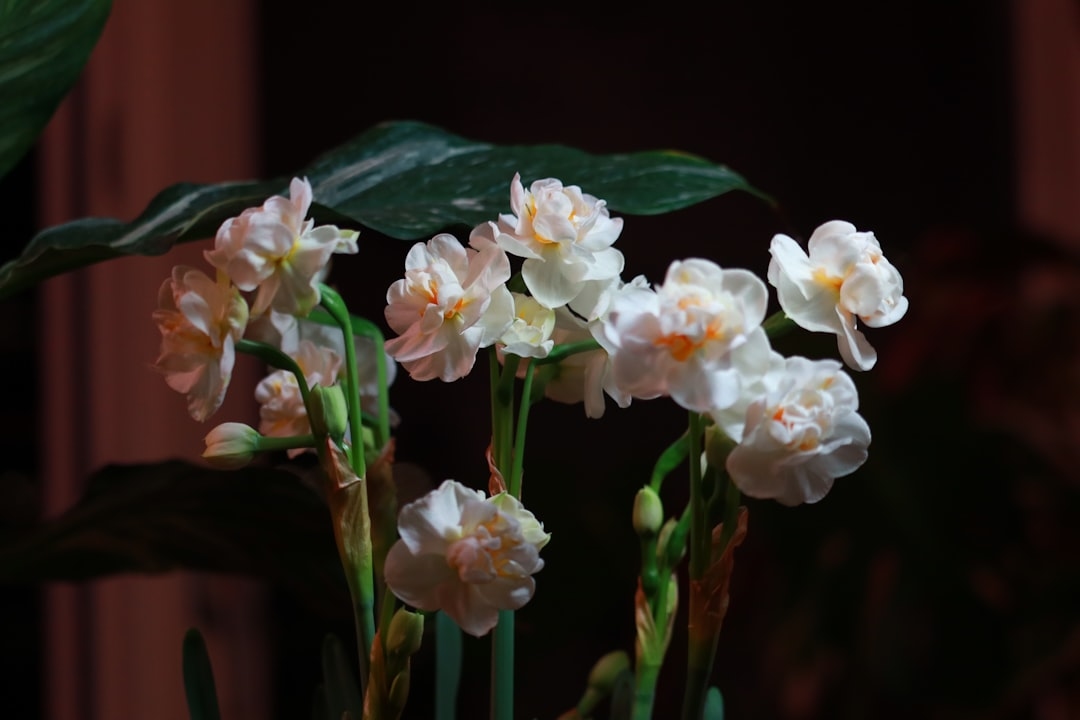
This makes freesia a go-to for events or arrangements where blue is part of the color scheme–think baby showers or even Fourth of July centerpieces. US-grown blue freesia has seen a 25% year-over-year increase in demand since 2022, according to the National Florist Trends Report.
6. Freesia Is Pet-Safe and Non-Toxic (Unlike Lilies)
Pet owners know the pain of falling in love with a bouquet, then Googling “are lilies toxic to cats?” Freesia offers peace of mind: the ASPCA lists freesia as non-toxic to cats and dogs. That’s a big deal in the US, where 66% of households own a pet (American Pet Products Association, 2026).
Some flowers, like lilies and tulips, contain compounds that are highly toxic to pets. In contrast, freesia is safe for both cats and dogs, making it a favorite for families and apartment dwellers alike.
7. Freesia for the Masses: Easy to Grow, Easier to Enjoy
Want to try your hand at homegrown blooms? Freesia corms (like bulbs, but smaller and flatter) are widely available in the US, from Home Depot to Breck’s Bulbs, typically sold for $8-$15 per 15 corm pack.
How to Grow Freesia at Home
- Plant corms in well-draining soil, 2″ deep and 3″ apart
- Water regularly, but don’t over-soak
- Position in full sun (ideally, mild spring temps 55-65°F)
- Wait 10-12 weeks for blooms
- Harvest stems just as the first bud opens for longest vase life
Freesia can be grown as annuals in Zones 9-11 outdoors, or as potted houseplants elsewhere. They’re perfectly suited to window boxes and even hydroponic kits.
FAQ: Freesia Facts for Curious Florists & Flower Lovers
What does freesia symbolize in the US?
Freesia most commonly represents friendship, trust, and innocence. White freesia is especially popular for weddings, while yellow and pink varieties are gifted for birthdays and Mother’s Day.
How long does freesia last as a cut flower?
Freesia lasts between 14-21 days in a vase with proper care. Change the water every two days and trim stems for best results.
Is freesia safe for pets?
Yes, freesia is non-toxic to cats and dogs, unlike lilies or tulips. It’s a pet-friendly option for bouquets and home gardens.
Why is freesia expensive compared to other flowers?
Freesia requires specific growing conditions and hand-harvesting to avoid damaging delicate stems. In 2026, a bunch of 10 stems retails for $8-$12 at most US florists or delivery services.
Can I grow freesia indoors in the US?
Absolutely. Freesia corms can be started indoors in pots with well-draining soil. They thrive on sunny windowsills and bloom after 10-12 weeks, making them excellent for winter blooms in colder areas.
Planning to send flowers that last, smell incredible, and won’t endanger the family pet? Freesia just might be your new go-to. Next time you order from The Bouqs Co. or pick up a bunch at your local farmer’s market, look for the unmistakable, arching stems and breathe deep–your home is about to smell as good as it looks. Try growing a few corms yourself this season, or shake up your next arrangement with a pop of true blue freesia. The possibilities (and scents) are endless.