Contents:
- Quick Answer: Which Normally-Fragrant Flowers Have Scentless Varieties?
- Why Do Scentless Varieties Exist?
- Commercial Demands Shape Scent
- Shipping and Allergy Considerations
- Scentless Roses: The Most Notorious Example
- Hybrid Tea and Floribunda Roses
- How to Find Fragrant Roses
- Lilies, Hyacinths, and Gardenias: Scentless Innovations
- Lilies: Beware the Silent Blooms
- Hyacinths: From Fragrant to Faint
- Gardenias: The Scentless Surprise
- The Silent Bunch: Other Commonly Scentless Florals
- Stock (Matthiola incana)
- Freesia
- Sweet Peas (Lathyrus odoratus)
- How to Spot and Choose Between Scentless and Fragrant Flowers
- Are Scentless Varieties More Expensive?
- Cultivating Scent at Home: Tips for Gardeners
- FAQ
- Why are so many store-bought flowers scentless?
- Are scentless flowers less attractive to pollinators?
- Where can I buy fragrant flowers in the US?
- Can scentless varieties trigger fewer allergies?
- Is it possible to restore scent to modern flowers through breeding?
- Looking Ahead: The Resurgence of Fragrant Flowers
Scentless Varieties of Normally Fragrant Flowers
There’s nothing quite like the anticipation of bringing home a beautifully arranged bouquet of lilies or gardenias–only to realize, once you’ve set them in your favorite vase, that their signature perfume is missing. It’s not your nose. Over the past decades, breeders and florists have been quietly transforming the flower market, sometimes sacrificing scent for shelf life, color, or allergy-friendliness. If you’ve ever wondered why your roses don’t smell like your grandmother’s garden, there’s a fascinating story behind those scentless varieties.
Quick Answer: Which Normally-Fragrant Flowers Have Scentless Varieties?
Many commercial varieties of classically fragrant blooms–roses, lilies, gardenias, hyacinths, and stock–are now available in scentless or low-fragrance forms. These have been developed through hybridization to enhance color, increase vase life, or reduce allergens. Popular scentless varieties in the US include hybrid tea roses like ‘Knock Out’, Oriental lilies such as ‘Casa Blanca’, and certain supermarket stock (Matthiola incana). When shopping, always check with your florist or request a sample to confirm scent.
Why Do Scentless Varieties Exist?
Breeding for Beauty and Practicality
The paradox: The lushest, most vividly colored flowers in the supermarket are often the least fragrant.
This isn’t accidental–the shift is driven by modern breeding trends.
Commercial Demands Shape Scent
American consumers increasingly demand long-lasting blooms. According to the Society of American Florists, US buyers expect cut flowers to last 7-10 days in a vase (2026 survey). Fragrance compounds, while lovely, can accelerate petal decay and shorten shelf life.
“Breeders select for color, form, and longevity first–fragrance is a distant fourth,” says Dr. Maggie Reynard, head horticulturist at the California Flower Innovation Lab.
Shipping and Allergy Considerations
- Allergy-friendliness: Many customers are sensitive to scents, especially in closed workplaces or hospitals. Scentless blooms are popular in event floristry for this reason.
- Shipping logistics: Fragrance molecules can be volatile–the more fragrant the flower, the more likely it is to wilt or brown during cross-country shipping.
Scentless Roses: The Most Notorious Example
Few things surprise flower lovers more than a scentless rose. Until the late 20th century, fragrance was the rule. So why do most roses sold in US supermarkets and florists today lack that romantic perfume?
Hybrid Tea and Floribunda Roses
Modern cut-rose varieties like the ‘Knock Out’ series, ‘Iceberg’, and popular supermarket roses (grown mostly in Ecuador and Colombia) are almost entirely scentless.
Reasons:
- Shelf life: Fragrant varieties droop faster.
- Color and bud size: Breeders focus on brighter colors and longer stems.
- Disease resistance: Scent genes are often linked to susceptibility.
How to Find Fragrant Roses
Garden centers sometimes stock old-fashioned or heirloom varieties such as ‘Mister Lincoln’, ‘Double Delight’, or ‘Madame Isaac Pereire’, which are celebrated for strong scent but less common in florist arrangements.
| Rose Variety | Fragrant? | Notes |
|---|---|---|
| Knock Out | No | Most common cut rose in US stores |
| Peace | Light | Popular for bouquets, subtle scent |
| Mister Lincoln | Yes | Strong damask fragrance; less common in stores |
Lilies, Hyacinths, and Gardenias: Scentless Innovations
Lilies: Beware the Silent Blooms
Oriental lilies are famous for their powerful scent. Yet, new cultivars like ‘Casa Blanca’ and ‘Dazzle’ have little to no detectable fragrance. Many lilies grown for the US floral market in 2026 are hybridized for appearance and pollen-less stamens (to reduce mess)–often at the expense of scent.
Hyacinths: From Fragrant to Faint
Hyacinths used to signal spring’s arrival with their honeyed air. Mass-produced hyacinths (especially the ‘Carnegie’ and ‘City of Haarlem’ types) now tend toward faint or absent scent, making them more suitable for indoor events.
Gardenias: The Scentless Surprise
The gardenia’s creamy, spicy aroma is legendary, but it can be overwhelming in enclosed spaces. Newer varieties like Gardenia jasminoides ‘Frostproof’ have very light scent, favored by florists for all-day wear in corsages and boutonnières.
The Silent Bunch: Other Commonly Scentless Florals
Stock (Matthiola incana)
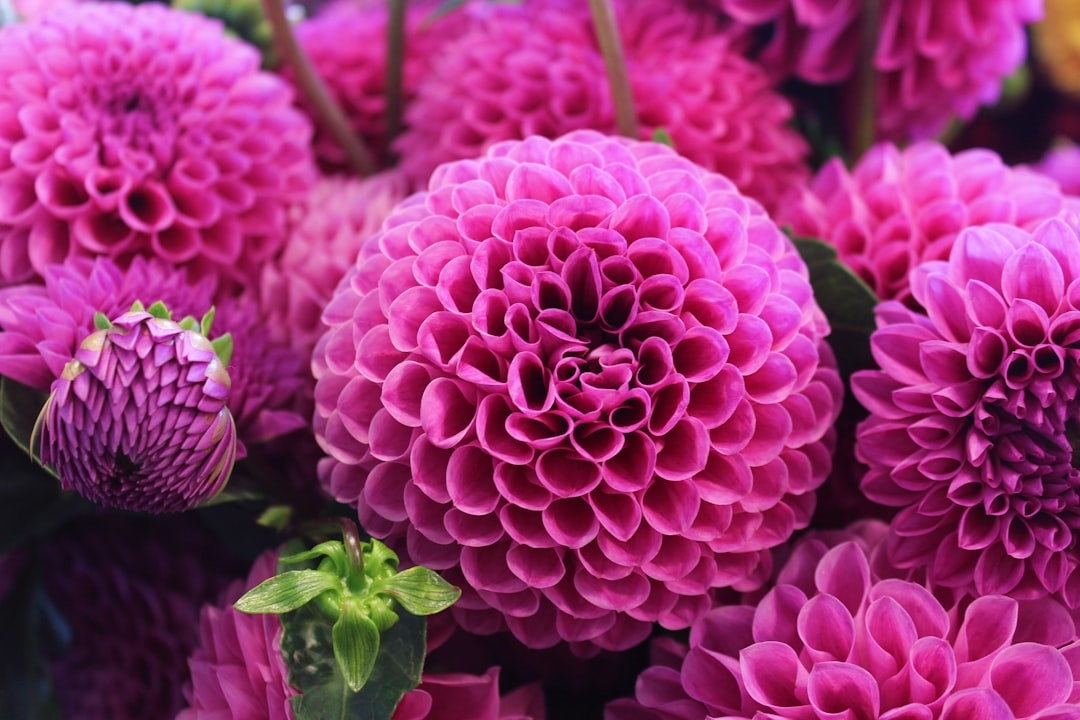
Typically known for a clove-like fragrance, but commercial cut-flower strains grown for big box stores (think Kroger or Walmart) are frequently bred for stem length and color at the expense of aroma.
Freesia
True, wild freesia packs a punch, but many supermarket varieties retain only a hint. Check with local US florists if you want true-scented types.
Sweet Peas (Lathyrus odoratus)
Modern hybrids like ‘Early Multiflora’ focus on bloom count and shipping hardiness, not scent. Legacy types such as ‘Matucana’ or ‘Cupani’ are rarely found in general US floral retail.
<blockquote>
“Scentless varieties are a blessing in allergy-prone settings–schools, offices, and hospitals. But the tradeoff is real: most American florists only see truly fragrant classics on special request.”
– Jamie Lee, AIFD, Atlanta-based floral designer
</blockquote>
How to Spot and Choose Between Scentless and Fragrant Flowers
Scent rarely appears on price tags, so use this mini-guide for your next flower run:
- Ask your florist: They’ll know if a variety is fragrant.
- Check stem source: Flowers flown from South America (over 80% of US cut roses) are likely scentless.
- Look for heirloom names: Older or “garden-style” names usually mean more scent.
- Sniff test: Don’t be shy–really, take a gentle sniff in-store.
- Consider the event: Scentless is best for shared offices, dinner parties, or allergy-prone guests.
Are Scentless Varieties More Expensive?
Not necessarily. Supermarket flowers are often less expensive ($10-$25 per bouquet) because of scentless breeding: the flowers last longer, are easier to ship, and lose fewer stems to spoilage. Specialty, fragrant heirloom bouquets from US flower farms or boutique florists can weigh in at $50-$100+ per arrangement.
Cultivating Scent at Home: Tips for Gardeners
If you crave real fragrance, your backyard is your best bet. US seed catalogs like Baker Creek Heirloom Seeds and American Meadows highlight old-fashioned, fragrance-rich types.
- Choose named varieties: Seek out English roses (David Austin), heritage lilies, and Matthiola ‘Vintage’ stock.
- Plant for succession: Mix spring hyacinths, summer roses, and autumn gardenias for year-round scent.
- Support local farms: US-grown blooms have a shorter journey, preserving more fragrance than imported stems.
Dr. Alex Chen, of the Texas Botanical Garden, notes that “American gardeners rediscovering fragrant breeds are driving a small renaissance. Sales of strongly-scented backyard rose varieties rose by 22% from 2024 to 2026.”
FAQ
Why are so many store-bought flowers scentless?
Most supermarket flowers in the US are bred for long vase life and vivid colors. Scent often gets reduced or lost in the breeding process, making the flowers last longer but less fragrant.
Are scentless flowers less attractive to pollinators?
Yes. Many scentless hybrids are less attractive to bees and butterflies, since fragrance helps guide pollinators to blooms. This is mainly an issue for outdoor, garden-planted varieties, not cut flowers.
Where can I buy fragrant flowers in the US?
Look for local flower farms, upscale florists, or online retailers like Grace Rose Farm or The Bouqs Co. Specify “fragrant” when ordering–and expect to pay a premium.
Can scentless varieties trigger fewer allergies?
Absolutely. Scentless or low-fragrance flowers are frequently used in hospitals, schools, and office buildings where fragrance allergies are a concern.
Is it possible to restore scent to modern flowers through breeding?
Yes, but it’s complicated. Breeders are working on bringing back fragrance to hardy varieties, but it’s a slow process since the genes for scent and other desirable traits can be linked in complex ways.
Looking Ahead: The Resurgence of Fragrant Flowers
The pendulum is swinging. As American consumers grow nostalgic for the sensory experiences of homegrown blooms, breeders and small growers are putting scent back on the agenda. If you long for flowers that fill a room with perfume, start by planting your own, or seek out florists who specialize in heirloom and local varieties. A little extra effort brings that unforgettable, classic fragrance back into your life–one stem at a time.