Contents:
- Quick Answer: Scientific Botanical Illustration Training in the US
- Defining Scientific Botanical Illustration
- Training Paths Overview: Degrees, Certificates, Self-Study
- University and College Programs
- Undergraduate Degrees
- Graduate & Advanced Study
- Certificate and Professional Programs
- Digital Tools and Modern Methods
- Software Skills
- Hybrid Workflow Example
- Building a Portfolio: Real-World Preparation
- Professional Associations and Continuous Learning
- Career Outcomes and Earning Potential
- FAQ
- What’s the difference between botanical illustration and flower painting?
- Do you need a degree to become a scientific botanical illustrator in the US?
- Which software is best for digital botanical illustration?
- How long does it take to become a professional botanical illustrator?
- Where can I find botanical illustration courses in the US?
- Next Steps: Start Sketching, Start Connecting
Scientific Botanical Illustration Training Paths
Imagine holding a magnifying glass over a dew-laden hellebore: each vein, stamen, and filament revealed with breathtaking clarity. Scientific botanical illustration is where art meets discipline, where detail is not just admired but required–by botanists, publishers, and the curious alike. In 2026, as plant awareness surges (hello, 82% of US households now keep at least one houseplant per the National Garden Bureau), demand for skilled botanical illustrators is blooming.
But how does someone train to become a scientific botanical illustrator? Is it all graphite and watercolor, or do modern digital tools and university programs shape today’s best? Here’s your clear, honest roadmap.
Quick Answer: Scientific Botanical Illustration Training in the US
Aspiring scientific botanical illustrators in the United States most commonly train through undergraduate art or biology degrees with illustration electives, specialized certificate programs (often at botanical gardens or universities), self-taught courses, and advanced workshops with organizations like the American Society of Botanical Artists (ASBA). Skill-building covers accurate observation, drawing, painting, digital rendering, and botanical science. Expect 1-3 years to reach professional competence.
Defining Scientific Botanical Illustration
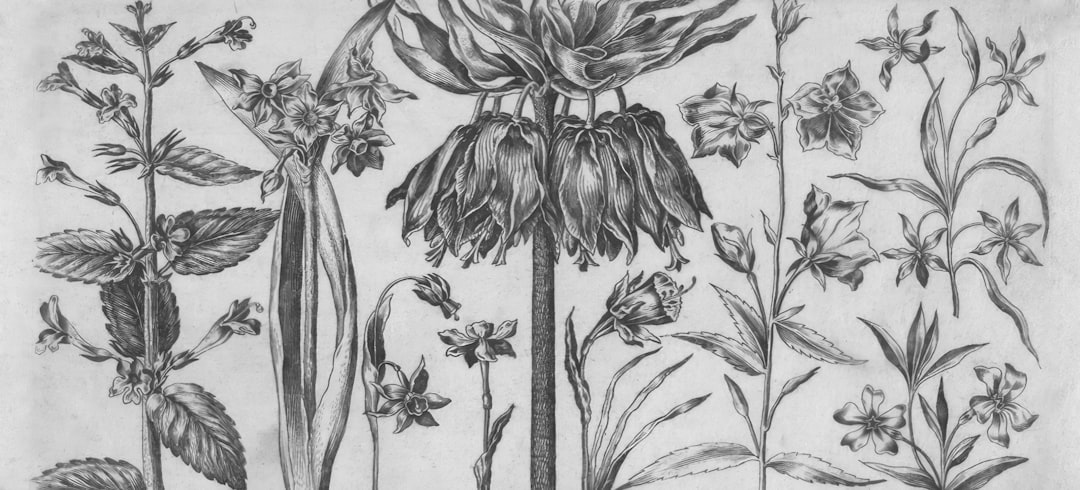
Not every flower drawing counts. Scientific botanical illustration sits at the intersection of scientific accuracy and artistic expression. Illustrators dissect and document plants to support research, education, and conservation. Differences from floristry or fine-art flower painting are profound: this discipline is about measurable truth. Each structure–petal, sepal, pistil–is scaled, labeled, and differentiated so that botanists can identify, compare, and archive.
“An effective botanical illustration can highlight features a photograph can’t capture, such as the precise placement of hairs or the hidden curvature of a root,” explains Dr. June Abernathy, PhD, Director of Botanical Art at the University of Minnesota.
Key skills in scientific botanical illustration:
- Observational drawing (from live or preserved specimens)
- Technical use of graphite, ink, watercolor, and, increasingly, digital media
- Deep understanding of plant anatomy and taxonomy
- Communication of scientific information visually
- Familiarity with herbarium and publication standards
Training Paths Overview: Degrees, Certificates, Self-Study
| Training Path | Typical Duration | Main Skills Covered | Cost Range (USD) | US Example Institutions |
|---|---|---|---|---|
| Bachelor’s in Art/Biology (with illustration) | 4 years | Drawing, science, composition | $9,000-$52,000/year | RISD, University of Georgia |
| Certificate Programs | 6 months – 2 years | Technical illustration, fieldwork | $1,000-$8,000 | NY Botanical Garden, Denver Botanic Gardens |
| Workshops & Online Courses | 1 day – 1 year | Specialty techniques, portfolio | $50-$2,500 per course | ASBA, Skillshare, Udemy |
| Apprenticeships/Mentorship | 6 months – 2 years | Hands-on, project-based | Varies (some unpaid/paid) | Local artists, museums |
| Self-taught | Ongoing | Flexible, self-paced | Minimal-$2,000 | Books, YouTube, Botanical Art forums |
“I see self-taught illustrators succeed when they commit to 10-15 hours of focused sketching per week, using a mix of classic texts like ‘Botanical Illustration: The Complete Guide’ (Sarah Simblet) and feedback from online communities,” says Maria Nguyen, botanical artist and juror for the ASBA Annual.
University and College Programs
Undergraduate Degrees
While few US universities offer a BFA or BS specifically in botanical illustration, top art schools and land-grant universities frequently offer concentrations. Look for programs that combine foundational drawing/painting with biology or ecology electives.
- Rhode Island School of Design (RISD): Noted for their Nature-Culture-Sustainability Studies, they weave in botanical modules alongside fine art technique.
- University of Georgia: Their Bachelor of Science in Horticulture allows for elective focus in botanical art, with access to state-of-the-art greenhouses.
- Cornell University: Plant Science undergrads can participate in botanical illustration studios, often working directly with the Cornell Botanic Gardens.
Graduate & Advanced Study
Some choose to pursue a Master’s in Scientific Illustration or Science Communication. These are rare (only 3 US universities offered a dedicated MS in Scientific Illustration as of 2026, per the National Center for Education Statistics), but they can accelerate career growth in museum or academic settings.
Certificate and Professional Programs
For those seeking practical, career-focused training without a full degree, certificate courses are increasingly popular. Many are run by botanical gardens with connections to local scientists and publishing projects.
Top US Certificate Programs:
-
New York Botanical Garden (NYBG) Certificate in Botanical Art & Illustration
- 145 hours, usually finished over 18-24 months.
- Focuses on graphite, pen/ink, watercolor, plus plant biology and fieldwork.
- $6,175 in total tuition (2026).
-
Denver Botanic Gardens School of Botanical Art & Illustration
- Modular, with options in colored pencil, digital illustration, and ink.
- Cohorts are small–max 14 students per class.
- Outputs include portfolio, exhibition, and a final scientific plate.
-
Minnesota School of Botanical Art (at Como Park)
- Certificate path takes 1-2 years with flexible scheduling.
- Strong mentorship by registered botanical illustrators.
Why certificates? These programs are curated for realism, accuracy, and the rigors of peer review. They often culminate in juried showcases, which are critical for attracting commissions, according to respected illustrator Dr. Eloise Ramirez (founder, FloraViva Studios).
Digital Tools and Modern Methods
Traditionalists still praise the tactile accuracy of graphite or Windsor & Newton watercolors, but digital tools are no longer optional in 2026.
Software Skills
- Adobe Illustrator & Photoshop: Standard for vectorizing, labeling, and prepping images for print or web. The 2026 releases offer AI-powered edge detection but require manual oversight for anatomical precision.
- Procreate: Preferred on iPads for field sketches–especially with Apple Pencil’s evolving pressure-sensitivity.
- Corel Painter: For those wanting an oil-on-canvas look without the mess.
Hybrid Workflow Example
A typical project flow today might look like:
- Hand sketching with mechanical pencils (0.3mm for details, 0.7mm for shading) on Bristol board.
- Scanning and refining outlines in Adobe Illustrator–adding color digitally or via scanned watercolors.
- Exporting as high-res TIFF or vector PDF, layering scientific labels on a separate file for easy revision.
“At least 40% of our submissions in 2026 are digital or hybrid, rather than pure traditional media,” says ASBA Exhibitions Chair, Jamie Reddick.
Building a Portfolio: Real-World Preparation
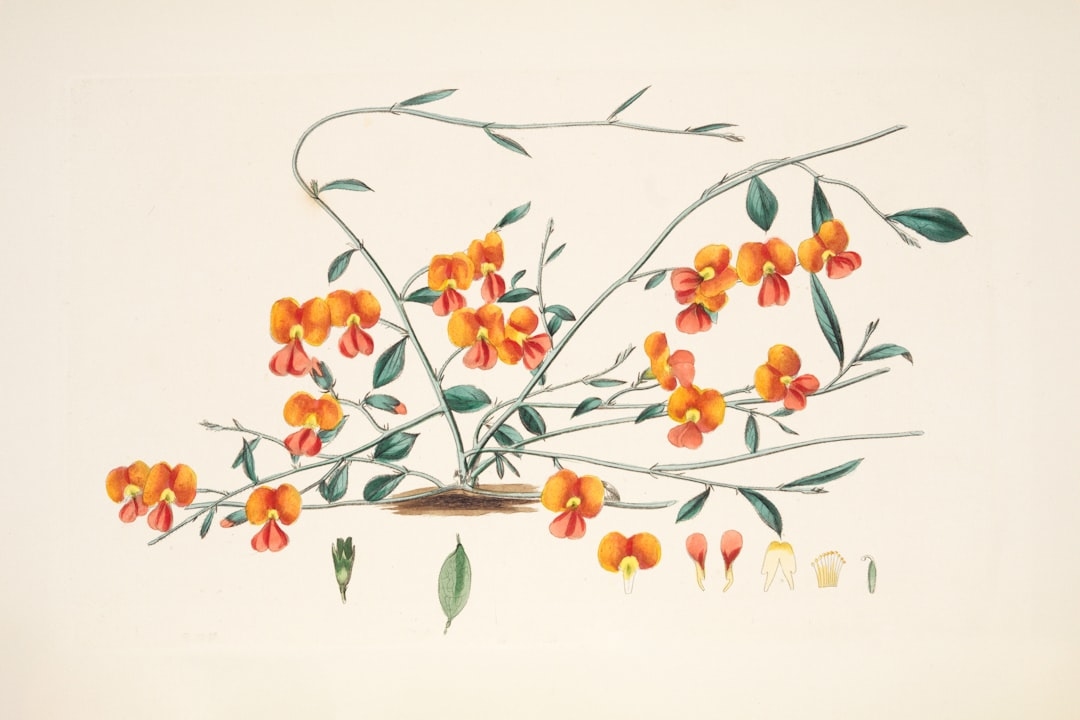
No matter the path, a standout portfolio is critical. Most US art directors and editors (per a 2026 ASBA survey) require:
- 8-12 completed plates, representing roots, leaves, flowers, and fruits
- At least one dissections drawing (seed/fruit cross-section)
- “Before/after” process images (demonstrating initial sketch to final render)
- Examples of digital labeling and annotation
Pro tip: Include at least one US-native and one invasive species. Conservation-oriented organizations increasingly prioritize illustration supporting indigenous flora and ecological research.
Professional Associations and Continuous Learning
Membership in key organizations not only signals commitment but unlocks exhibitions, juried competitions, and peer support.
Top US Associations:
- American Society of Botanical Artists (ASBA): National nonprofit, annual juried exhibition, extensive workshops–membership $130/year (2026).
- Guild of Natural Science Illustrators (GNSI): Covers all fields of scientific illustration, great for collaborating with zoologists, ecologists, and educators.
Online communities such as Botanical Art Online (with 5,200 US-based members in 2026) also provide critiques, job boards, and monthly challenges.
Career Outcomes and Earning Potential
Botanical illustration is niche, but skilled professionals are consistently in demand for:
- Academic journals (e.g., Harvard Papers in Botany)
- Field guides (Timber Press, Princeton University Press)
- Museum and botanical garden exhibits
- Educational materials and children’s books
- Commercial licensing (stationery, textiles, digital products)
Income snapshot, 2026 (US):
- Freelance illustration: $400-$1,200 per plate (complexity and rights influence pricing)
- Full-time scientific illustrator: $50,000-$92,500/year (museum, research, or publisher settings)
- Workshop instructors: $80-$250/hour (depending on reputation and organization)
Dr. Jasmine Taylor, lead artist at the Missouri Botanical Garden, observes: “The best-paid artists are those who master both analog and digital workflows, promote themselves online, and collaborate closely with scientists.”
FAQ
What’s the difference between botanical illustration and flower painting?
Botanical illustration prioritizes scientific accuracy and often dissects the plant to show internal structures, whereas flower painting emphasizes aesthetics and creative interpretation. Scientific illustrators follow strict guidelines for scale, color, and labeling.
Do you need a degree to become a scientific botanical illustrator in the US?
No. While a degree in art, biology, or a related field can help, many illustrators succeed through certificate programs, self-study, and portfolio development. Peer-reviewed exhibitions and certifications often count more than formal degrees.
Which software is best for digital botanical illustration?
Adobe Illustrator and Photoshop remain industry standards due to their precision and publishing compatibility. Procreate is a popular choice for tablet sketching, but final submissions to publishers often require vector or high-res raster formats.
How long does it take to become a professional botanical illustrator?
With consistent effort, most people reach a professional skill level in 1-3 years through coursework, mentorship, and daily practice. Portfolio quality, not years spent, is the primary metric for professional opportunities.
Where can I find botanical illustration courses in the US?
Leading options include the New York Botanical Garden, Denver Botanic Gardens, and many art schools. Online platforms like Skillshare, Coursera, and the ASBA’s own virtual workshops also offer updated classes for 2026.
Next Steps: Start Sketching, Start Connecting
No amount of reading beats the feel of drawing a living stem. Grab a magnolia leaf, a sketchbook, or even your iPad, and try documenting what you see. Reach out to local botanical gardens, join the ASBA, or sign up for a short online workshop–almost every professional’s story starts here. In 2026, the field is more connected than ever. Your path may be traditional, digital, or hybrid, but it starts with that first careful, curious line.